


Johann Adolf Hasse
Sonata No. 4 for harpsichord in A major (from "Sonate per il cembalo: Fatte par la Real Delfina di Francia")
Released Album
Recent Album
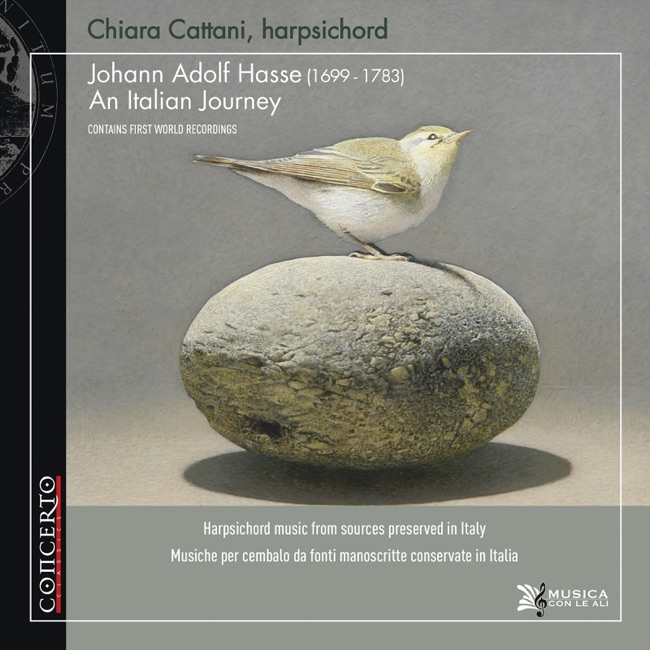
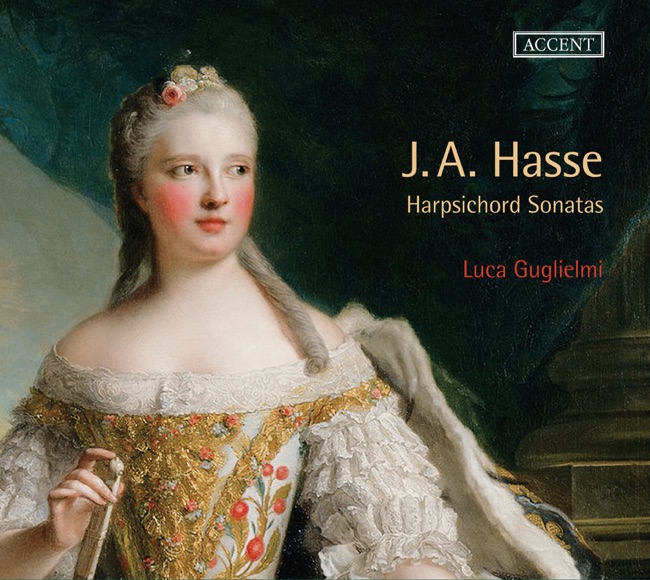
Works Info
Composer:Johann Adolf HasseGenre:KeyboardAverage_duration:5:45Movement_count:2Movement ....Johann Adolf Hasse's Sonata No. 4 for harpsichord in A major is a beautiful piece of music that was composed in the mid-18th century. The exact date of composition is not known, but it is believed to have been written sometime between 1740 and 1750. The sonata was premiered in the court of the Royal Princess of France, who was a patron of Hasse's music. The sonata is divided into three movements, each with its own unique characteristics. The first movement is marked Allegro and is in a lively 3/4 time signature. It begins with a bright and cheerful melody played by the right hand, which is then echoed by the left hand. The two hands then engage in a playful dialogue, with each taking turns playing the melody and accompanying the other. The movement is characterized by its lightness and energy, and it showcases Hasse's skill at writing for the harpsichord. The second movement is marked Andante and is in a slower 4/4 time signature. It begins with a simple, yet beautiful melody played by the right hand. The left hand provides a gentle accompaniment, with delicate arpeggios and chords. The movement is characterized by its lyrical and expressive qualities, and it showcases Hasse's ability to write music that is both beautiful and emotionally engaging. The final movement is marked Allegro and is in a lively 6/8 time signature. It begins with a fast and intricate melody played by the right hand, which is then echoed by the left hand. The two hands engage in a virtuosic display of skill, with each playing fast runs and intricate patterns. The movement is characterized by its technical difficulty and its sense of excitement and energy. Overall, Hasse's Sonata No. 4 for harpsichord in A major is a beautiful and engaging piece of music that showcases the composer's skill at writing for the harpsichord. Its three movements each have their own unique characteristics, ranging from the lively and energetic to the lyrical and expressive. It is a testament to Hasse's talent as a composer and his ability to write music that is both technically challenging and emotionally engaging.More....
Works Music
Released Music
1
2:49
2

2:16