George Frederick Handel
Beato in ver chi può, HWV 181
Released Album
Recent Album
Featured Album
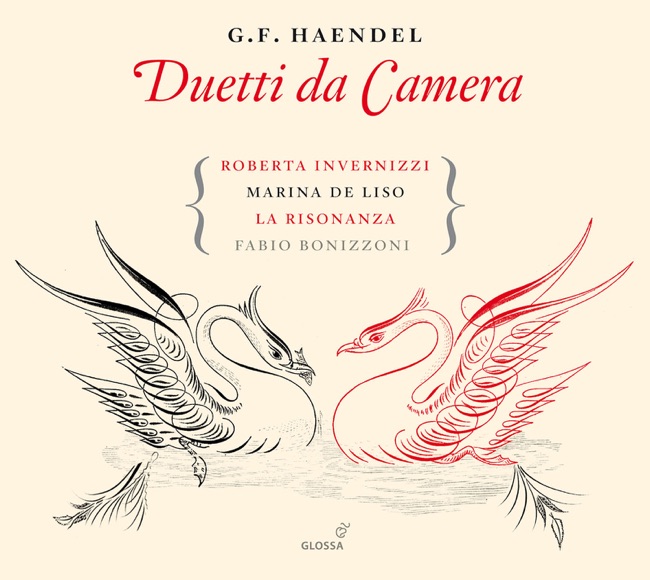
Works Info
Composer:George Frederick HandelGenre:VocalStyle:Vocal MusicCompose Date:1742Average_duration:8:12Movement_count:2Movement ...."Beato in ver chi può" (Blessed is he who can see the truth) is a cantata composed by George Frederick Handel in 1707. The piece was premiered in Rome, Italy, during Handel's time there as a young composer. The cantata is written for a solo soprano accompanied by a small ensemble of strings and continuo. The cantata consists of three movements. The first movement is an aria in which the soprano sings of the joys of seeing the truth and the happiness that comes with it. The second movement is a recitative in which the soprano reflects on the difficulties of finding the truth and the obstacles that can stand in the way. The final movement is another aria in which the soprano expresses her faith in the power of truth to overcome all obstacles and bring happiness and peace. The music of "Beato in ver chi può" is typical of Handel's early Italian period, with its emphasis on melody and virtuosity. The arias are characterized by their lyrical melodies and elaborate ornamentation, while the recitative is more declamatory in style. The ensemble accompaniment is relatively simple, with the strings providing a supportive backdrop for the soprano's vocal pyrotechnics. Overall, "Beato in ver chi può" is a charming and uplifting work that showcases Handel's early talent as a composer of vocal music. Its themes of truth, faith, and happiness are timeless and universal, making it a piece that continues to resonate with audiences today.More....
Works Music
Released Music
Featured Music