Franz Liszt
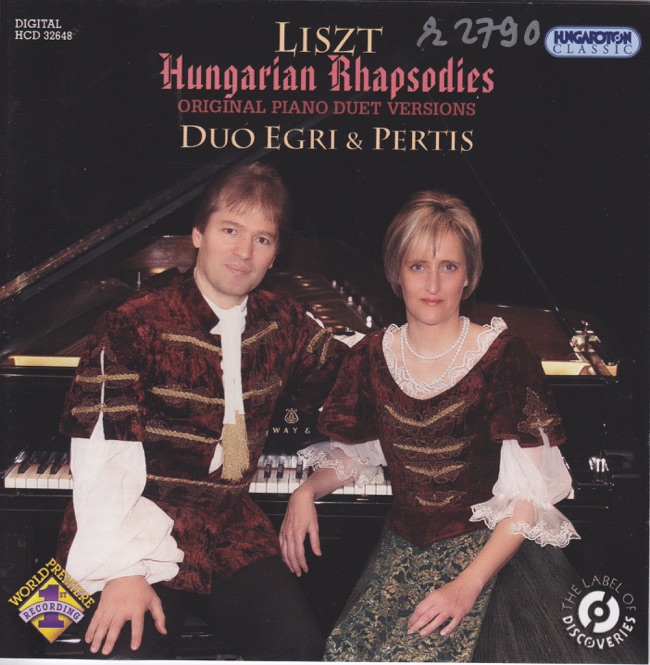
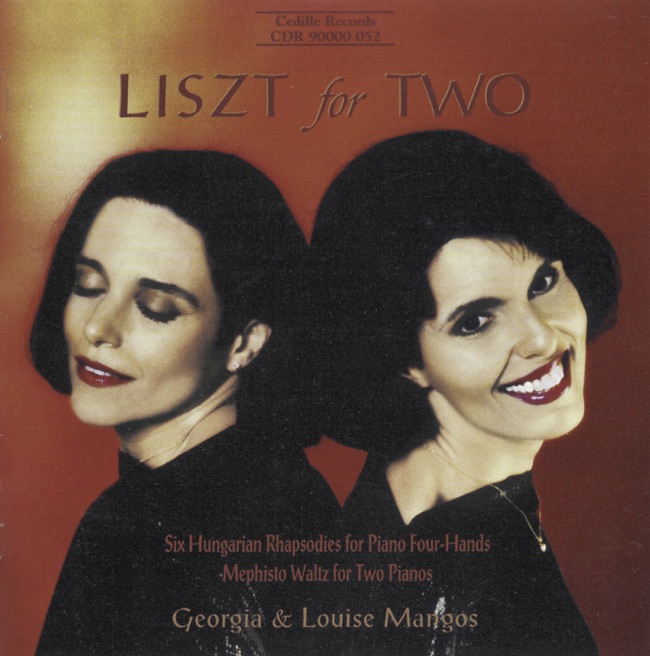
Hungarian Rhapsodies (6), S. 621
Released Album
Recent Album
Works Info
Composer:Franz LisztGenre:KeyboardStyle:RhapsodyCompose Date:1874Publication Date:1875Average_duration:59:59Movement_count:6Movement ....Franz Liszt's Hungarian Rhapsodies (6), S. 621, is a set of six piano pieces that were composed between 1846 and 1853. The set was premiered in 1853, and it quickly became one of Liszt's most popular works. The Hungarian Rhapsodies are characterized by their virtuosic piano writing, their use of Hungarian folk melodies, and their overall sense of energy and excitement. The first movement of the set, Hungarian Rhapsody No. 1, is perhaps the most famous of the six. It begins with a slow, mournful introduction that gradually builds in intensity before giving way to a fast and furious main section. The main section is based on a Hungarian folk melody, which Liszt transforms into a dazzling display of virtuosity. The movement ends with a triumphant coda that brings the piece to a thrilling conclusion. The second movement, Hungarian Rhapsody No. 2, is another well-known piece. It begins with a slow and melancholy introduction that leads into a lively main section. The main section is based on a different Hungarian folk melody than the first movement, and Liszt once again showcases his virtuosic piano writing. The movement ends with a fiery coda that brings the piece to a dramatic close. The third movement, Hungarian Rhapsody No. 3, is a more subdued piece than the first two. It begins with a gentle introduction that leads into a main section based on a Hungarian folk melody. The melody is played in a slow and lyrical manner, and Liszt's piano writing is more restrained than in the previous movements. The movement ends with a quiet and introspective coda. The fourth movement, Hungarian Rhapsody No. 4, is a return to the high-energy style of the first two movements. It begins with a fast and furious introduction that leads into a main section based on yet another Hungarian folk melody. The melody is played in a rapid and virtuosic manner, and the movement ends with a thrilling coda that showcases Liszt's technical prowess. The fifth movement, Hungarian Rhapsody No. 5, is a more introspective piece than the previous movements. It begins with a slow and mournful introduction that leads into a main section based on a Hungarian folk melody. The melody is played in a gentle and lyrical manner, and Liszt's piano writing is more restrained than in the previous movements. The movement ends with a quiet and contemplative coda. The sixth and final movement, Hungarian Rhapsody No. 6, is a return to the high-energy style of the first four movements. It begins with a fast and furious introduction that leads into a main section based on yet another Hungarian folk melody. The melody is played in a rapid and virtuosic manner, and the movement ends with a thrilling coda that brings the set to a rousing conclusion. Overall, Liszt's Hungarian Rhapsodies (6), S. 621, are a tour-de-force of virtuosic piano writing and Hungarian folk melodies. The set showcases Liszt's technical prowess and his ability to transform simple folk melodies into complex and exciting piano pieces. The Hungarian Rhapsodies remain popular with pianists and audiences alike, and they continue to be a staple of the piano repertoire.More....
Works Music
Released Music