


Ludwig Senfl
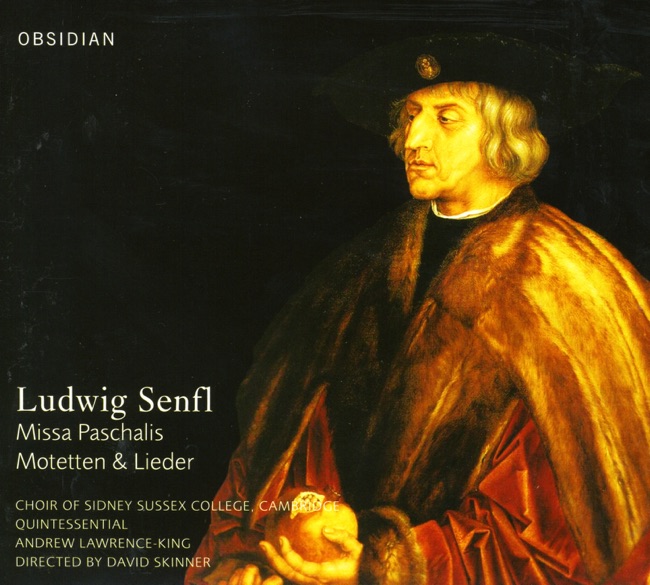
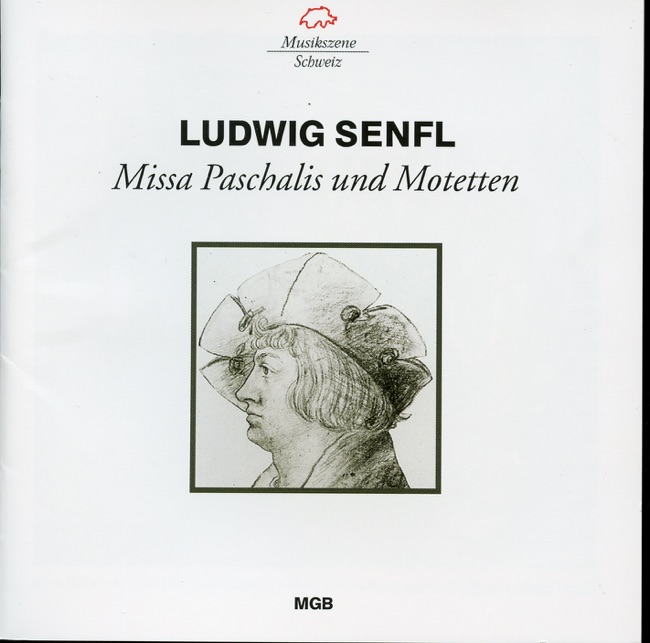
Missa paschalis
Released Album
Recent Album
Featured Album
Works Info
Composer:Ludwig SenflGenre:ChoralStyle:ChoralAverage_duration:23:22Ludwig Senfl's 'Missa paschalis' is a sacred choral work that was composed in the early 16th century. The exact date of composition is not known, but it is believed to have been written around 1515-1520. The piece was premiered in the court of Maximilian I, Holy Roman Emperor, in Vienna. The 'Missa paschalis' is a mass setting that consists of six movements: Kyrie, Gloria, Credo, Sanctus, Agnus Dei, and Ite, missa est. The piece is written for four-part choir (soprano, alto, tenor, and bass) and is characterized by its use of polyphony and imitation. The Kyrie is a solemn and prayerful movement that begins with a simple melody in the soprano voice, which is then imitated by the other voices. The Gloria is a joyful and exuberant movement that features intricate polyphony and frequent changes in tempo and dynamics. The Credo is a longer movement that is characterized by its use of homophonic and polyphonic textures, as well as its expressive use of dissonance. The Sanctus is a celebratory movement that features a soaring melody in the soprano voice, which is then echoed by the other voices. The Agnus Dei is a quiet and contemplative movement that features a simple melody in the alto voice, which is then imitated by the other voices. The final movement, Ite, missa est, is a brief and joyful conclusion to the mass. Overall, the 'Missa paschalis' is a masterful example of Renaissance choral music. It showcases Senfl's skillful use of polyphony and imitation, as well as his ability to create expressive and emotionally powerful music. The piece remains a beloved work in the choral repertoire to this day.More....
Works Music
Released Music
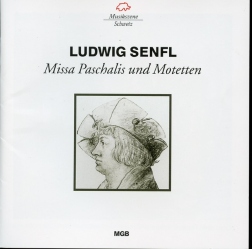
Featured Music
Main Perform Artists