Biagio Marini
Sonata for violins or cornets No. 3
Released Album
Recent Album
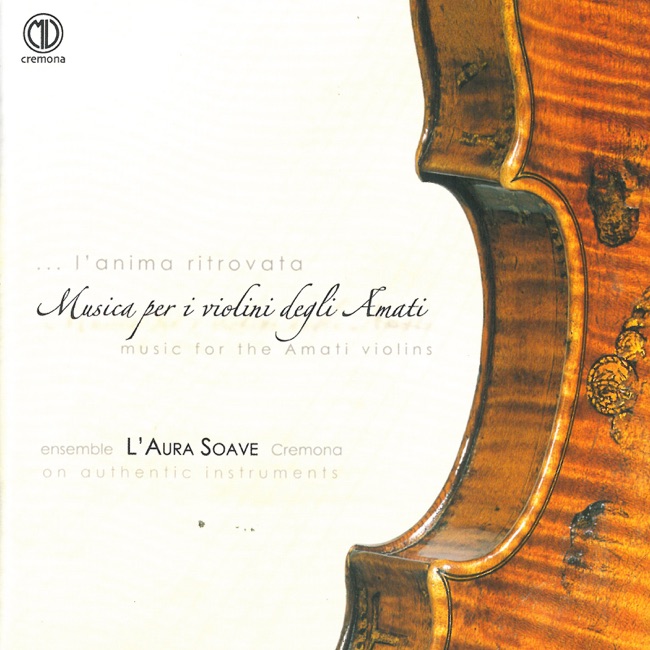
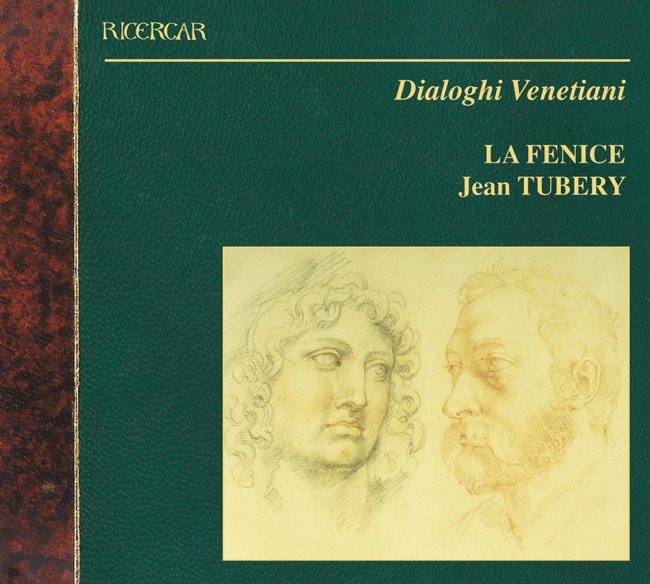
Featured Album

Works Info
Composer:Biagio MariniGenre:ChamberStyle:SonataAverage_duration:5:02Biagio Marini was an Italian composer and violinist who lived from 1594 to 1663. He was a prominent figure in the development of the Baroque style of music, and his works were highly influential in the development of the violin as a solo instrument. One of Marini's most famous works is his Sonata for violins or cornets No. 3, which was composed in the early 17th century. The exact date of composition is not known, but it is believed to have been written sometime between 1615 and 1620. The Sonata for violins or cornets No. 3 is a four-movement work that is typical of the Baroque sonata form. The first movement is a lively and energetic Allegro, characterized by its fast tempo and intricate violin passages. The second movement is a slower Adagio, which features a more lyrical and expressive melody. The third movement is a lively and dance-like Allegro, which is characterized by its rhythmic drive and lively tempo. The final movement is a fast and virtuosic Presto, which showcases the technical abilities of the violinist. One of the most notable characteristics of Marini's Sonata for violins or cornets No. 3 is its use of ornamentation. Marini was known for his elaborate and intricate ornamentation, which he used to embellish his melodies and add complexity to his compositions. The Sonata for violins or cornets No. 3 is no exception, and it features a wide variety of trills, turns, and other ornamentation throughout its four movements. Another notable characteristic of the Sonata for violins or cornets No. 3 is its use of harmony. Marini was known for his innovative use of harmony, and he often used dissonance and chromaticism to create tension and drama in his compositions. The Sonata for violins or cornets No. 3 features a number of unexpected harmonic twists and turns, which add to its overall sense of excitement and unpredictability. The Sonata for violins or cornets No. 3 was premiered in Italy in the early 17th century, and it quickly became one of Marini's most popular works. Its lively and energetic style, combined with its intricate ornamentation and innovative use of harmony, made it a favorite among both performers and audiences. Today, it is still considered one of Marini's most important works, and it continues to be performed and studied by musicians around the world.More....
Works Music
Released Music
Featured Music