


Johann Gottfried Walther
Concerto for organ in B flat major (after Tomaso Albinoni)
Released Album
Recent Album
Works Info
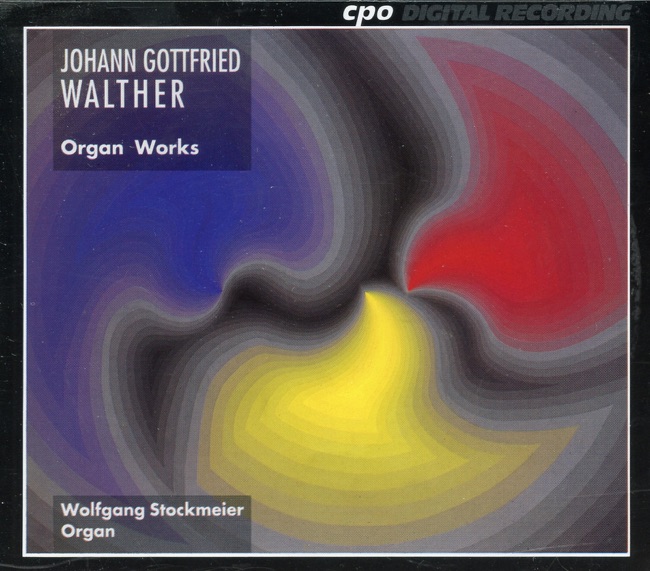
Composer:Johann Gottfried WaltherGenre:ConcertoStyle:ConcertoAverage_duration:5:12Movement_count:3Movement ....Johann Gottfried Walther's Concerto for organ in B flat major (after Tomaso Albinoni) was composed in the early 18th century. The exact date of composition is unknown, but it is believed to have been written around 1710. The concerto was first premiered in Leipzig, Germany, where Walther was the organist at the Thomaskirche. The concerto is divided into three movements: Allegro, Adagio, and Allegro. The first movement is characterized by its lively and energetic tempo, with the organ taking center stage and leading the orchestra. The second movement, Adagio, is a slow and contemplative piece, with the organ playing a more subdued role and the orchestra providing a gentle accompaniment. The final movement, Allegro, returns to the lively tempo of the first movement, with the organ once again taking the lead and the orchestra providing a lively and energetic accompaniment. One of the most notable characteristics of the concerto is its use of the organ as the solo instrument. This was a relatively new development in the early 18th century, as the organ had traditionally been used primarily as an accompaniment instrument. Walther's concerto helped to establish the organ as a solo instrument in its own right, paving the way for future composers to explore its potential as a solo instrument. Another notable characteristic of the concerto is its use of the Baroque style. The concerto is characterized by its ornate and elaborate melodies, intricate counterpoint, and use of the basso continuo. These elements are all hallmarks of the Baroque style, which was popular in Europe during the 17th and early 18th centuries. Overall, Johann Gottfried Walther's Concerto for organ in B flat major (after Tomaso Albinoni) is a significant work in the history of organ music. Its use of the organ as a solo instrument and its adherence to the Baroque style helped to establish the organ as a legitimate solo instrument and paved the way for future composers to explore its potential.More....
Works Music
Released Music
1
1:47
2
2:19
4
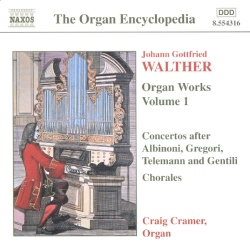
2:17
5
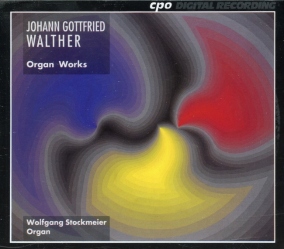
2:20