Jean Langlais
Motets (5), Op. 8
Released Album
Recent Album
Works Info
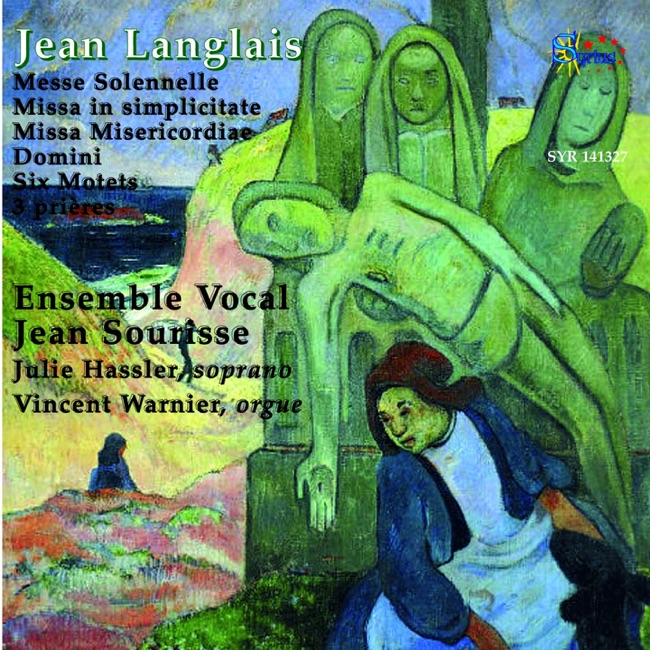
Composer:Jean LanglaisGenre:ChoralStyle:MotetAverage_duration:10:47Jean Langlais was a French composer and organist who lived from 1907 to 1991. He was known for his contributions to the organ repertoire and his use of Gregorian chant in his compositions. One of his most notable works is the "Motets (5), Op. 8," which was composed in 1934. The "Motets (5), Op. 8" is a collection of five motets for unaccompanied choir. The premiere of the work took place in 1935 at the Église Sainte-Clotilde in Paris, where Langlais served as the organist. The motets are based on texts from the Bible and liturgical sources, and each one has a distinct character and mood. The first motet, "O salutaris hostia," is a hymn of praise to the Eucharist. It begins with a simple melody in unison, which is then developed through polyphonic textures and harmonies. The second motet, "Ave verum corpus," is a meditation on the body of Christ. It features a flowing melody in the soprano line, which is supported by rich harmonies in the lower voices. The third motet, "Tantum ergo," is a hymn of adoration to the Eucharist. It begins with a chant-like melody in the tenor line, which is then echoed and developed by the other voices. The fourth motet, "Ave Maria," is a prayer to the Virgin Mary. It features a simple melody in the soprano line, which is supported by lush harmonies in the lower voices. The final motet, "Laudate Dominum," is a hymn of praise to God. It begins with a joyful melody in the soprano line, which is then echoed and developed by the other voices. The motet builds to a climax with a powerful chord progression, before ending with a peaceful resolution. Overall, the "Motets (5), Op. 8" is a beautiful and expressive work that showcases Langlais' skill as a composer and his deep understanding of liturgical music. The motets are characterized by their use of rich harmonies, polyphonic textures, and chant-like melodies, which create a sense of reverence and awe.More....