


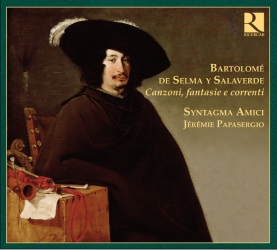
Bartolome de Selma y Salaverde
Vestiva i colli passagiato a due (Canzoni, fantasie et correnti No. 15)
Released Album
Recent Album
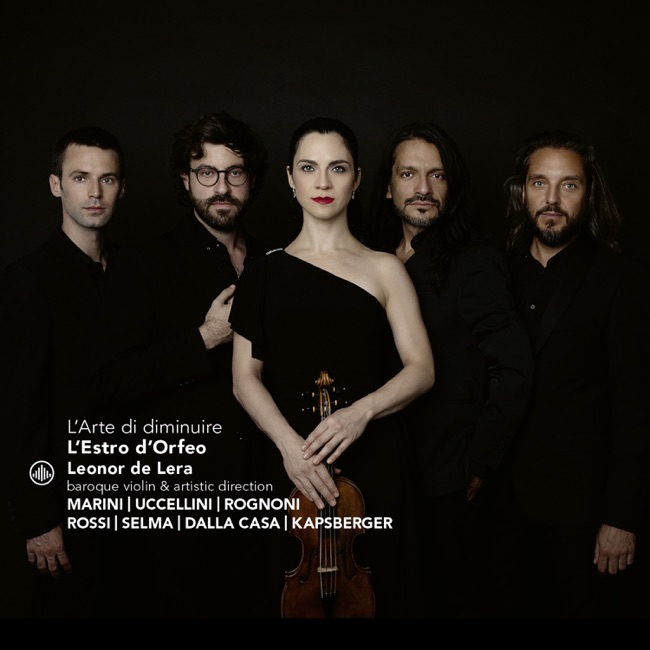
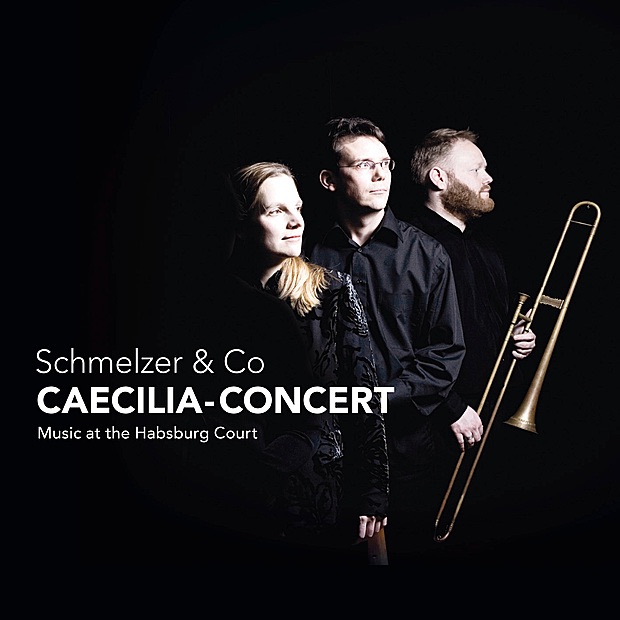
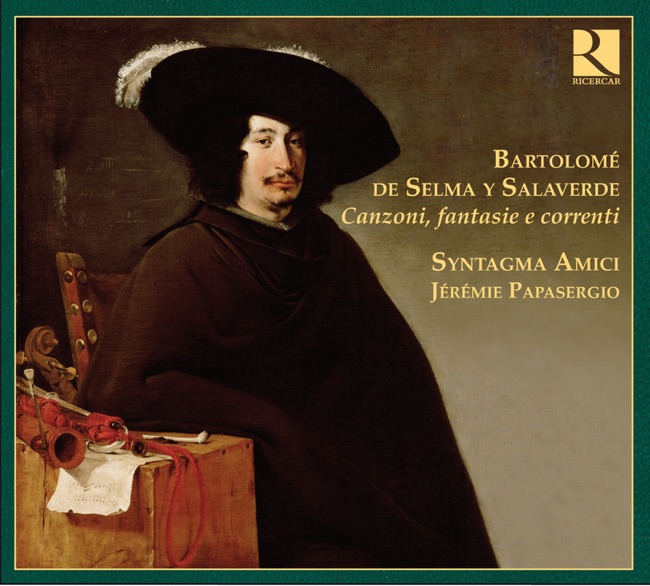
Featured Album
Works Info
Composer:Bartolome de Selma y SalaverdeGenre:OrchestralStyle:OrchestralPublication Date:1638Average_duration:3:27'Vestiva i colli passagiato a due' is a piece of music composed by Bartolome de Selma y Salaverde, a Spanish composer and musician who lived in the 17th century. The piece is part of a collection of works called 'Canzoni, fantasie et correnti', which was published in 1638. The premiere of 'Vestiva i colli passagiato a due' is not known, but it is likely that it was performed in the courts of Italy, where Selma y Salaverde spent much of his career. The piece is written for two instruments, a bassoon and a continuo, which would have been played on a keyboard instrument such as a harpsichord or organ. The piece is divided into three movements, each with its own distinct character. The first movement is a passacaglia, a form of music that is characterized by a repeating bass line. In this case, the bass line is a descending chromatic scale that provides a dark and somber foundation for the music. The bassoon plays a melody that is full of ornamentation and virtuosity, weaving in and out of the bass line with ease. The second movement is a corrente, a lively dance that was popular in Italy in the 17th century. The bassoon and continuo play together in a fast and energetic rhythm, with the bassoon taking the lead in the melody. The music is full of syncopation and unexpected accents, giving it a playful and lively character. The final movement is a canzona, a type of music that was popular in the Renaissance and Baroque periods. The bassoon and continuo play together in a more contrapuntal style, with each instrument weaving in and out of the melody. The music is full of complex harmonies and intricate rhythms, showcasing Selma y Salaverde's skill as a composer. Overall, 'Vestiva i colli passagiato a due' is a complex and virtuosic piece of music that showcases the bassoon's capabilities as a solo instrument. Selma y Salaverde's use of different forms and styles gives the piece a varied and interesting character, making it a popular choice for performers and audiences alike.More....
Works Music
Released Music
1
Vestiva i colli passagiato a due (Songs, fantasies and currents No. 15)
Vestiva i colli passeggiato a doi. Basso e soprano
3:43
2
Vestiva i colli passagiato a due (Songs, fantasies and currents No. 15)
Vestiva i colli passeggiato a doi
4:19
3
Vestiva i colli passagiato a due (Songs, fantasies and currents No. 15)
Vestiva i Colli passeggiato a doi Basso 3 Soprano
4:29
4
4:4
5
3:52
6
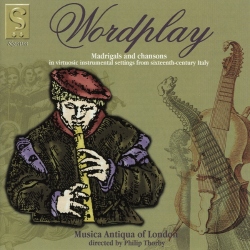
3:20
Featured Music
1
Vestiva i colli passagiato a due (Songs, fantasies and currents No. 15)
Vestiva i Colli passegiatto a doi, Basso e Soprano Il primo libro de Canzoni, fantasie et correnti da suonar ad una 2,3 y 4 con basso continuo
4:1