Heitor Villa-Lobos
Chôros No. 11, A. 228
Released Album
Recent Album
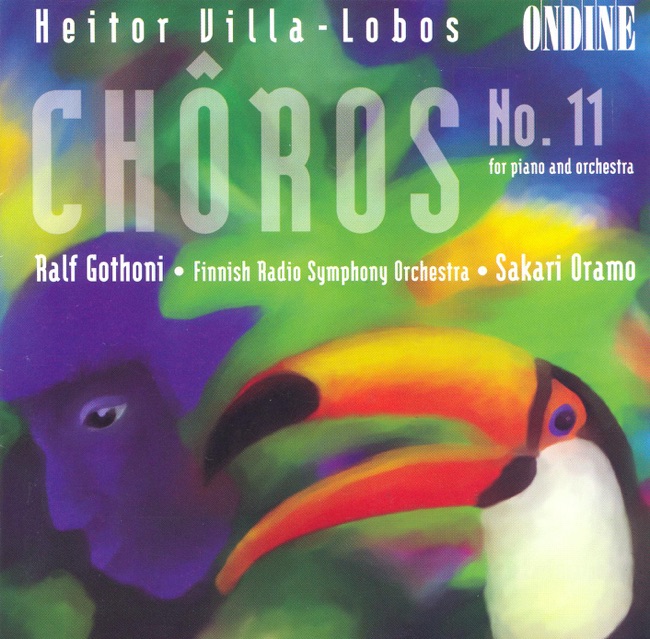
Featured Album
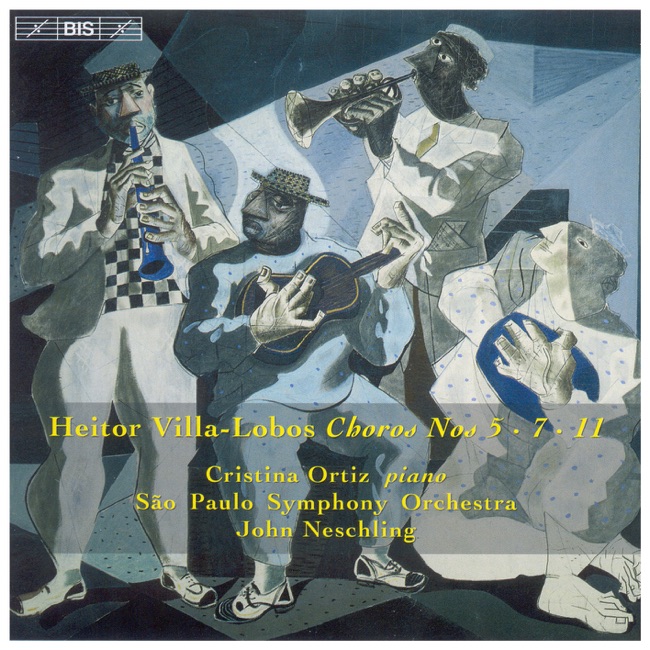
Works Info
Composer:Heitor Villa-LobosGenre:ConcertoStyle:ConcertoCompose Date:1928Average_duration:62:28Movement_count:3Movement ....Chôros No. 11, A. 228 is a composition by Brazilian composer Heitor Villa-Lobos. It was composed in 1928 and premiered in Rio de Janeiro in the same year. The piece is divided into three movements and is approximately 20 minutes in length. The first movement, marked "Allegro," begins with a lively and rhythmic theme played by the woodwinds. This theme is then passed around to the other sections of the orchestra, creating a sense of excitement and energy. The middle section of the movement features a slower, more lyrical theme played by the strings, which provides a contrast to the opening theme. The movement ends with a return to the opening theme, played with even greater intensity. The second movement, marked "Adagio," is a more introspective and melancholy piece. It begins with a solo for the English horn, which is then taken up by the strings. The movement features lush harmonies and a sense of longing, as if the music is searching for something just out of reach. The middle section of the movement features a solo for the cello, which is then joined by the rest of the orchestra in a hauntingly beautiful melody. The movement ends quietly, with a sense of resignation. The final movement, marked "Vivace," is a lively and energetic piece that brings the work to a thrilling conclusion. It begins with a fast and rhythmic theme played by the percussion, which is then taken up by the rest of the orchestra. The movement features complex rhythms and intricate counterpoint, as well as a sense of joy and celebration. The middle section of the movement features a solo for the flute, which is then joined by the rest of the orchestra in a playful and virtuosic passage. The movement ends with a return to the opening theme, played with even greater intensity than before. Overall, Chôros No. 11 is a masterful work that showcases Villa-Lobos's unique blend of Brazilian folk music and European classical music. The piece is characterized by its complex rhythms, lush harmonies, and virtuosic orchestration, as well as its sense of energy, longing, and celebration. It remains one of Villa-Lobos's most popular and enduring works.More....