Edvard Grieg
Ave Maris Stella, song for voice & piano, EG 150
Released Album
Recent Album

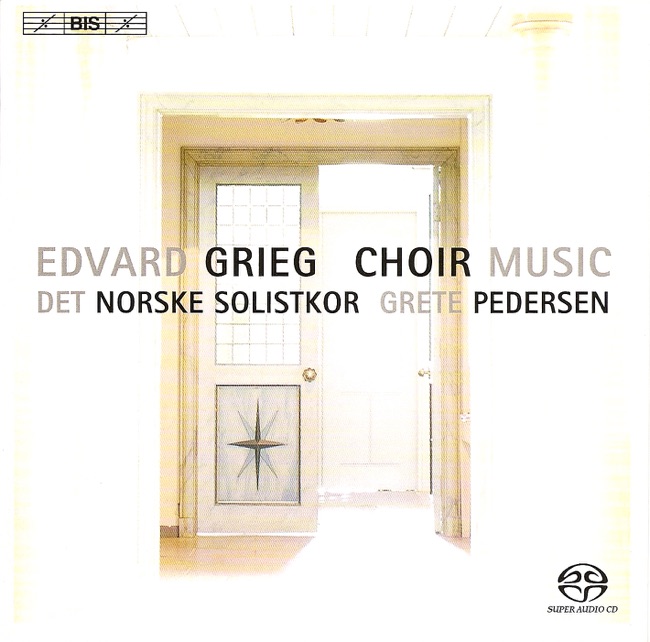

Works Info
Composer:Edvard GriegGenre:VocalStyle:SongCompose Date:1893Publication Date:1893Average_duration:2:57'Ave Maris Stella' is a song for voice and piano composed by Edvard Grieg in 1893. The piece was premiered on October 22, 1893, in Bergen, Norway, with Grieg's wife, Nina Hagerup, as the soloist. The song is based on a medieval Latin hymn that is dedicated to the Virgin Mary. The hymn is believed to have been composed in the 9th century and has been a popular subject for composers throughout history. Grieg's setting of the hymn is in the key of G major and is divided into three distinct sections. The first section is marked 'Andante con moto' and is characterized by a flowing piano accompaniment that sets the stage for the entrance of the solo voice. The vocal line is lyrical and expressive, with a sense of reverence and devotion that is appropriate for the text. The melody is simple and elegant, with occasional embellishments that add to the overall beauty of the piece. The second section is marked 'Allegro moderato' and is more lively and energetic than the first. The piano accompaniment is more rhythmic and syncopated, providing a sense of forward motion that propels the music forward. The vocal line is more declamatory in this section, with a sense of urgency and passion that reflects the text's exhortation to the Virgin Mary. The final section is marked 'Andante sostenuto' and returns to the more contemplative mood of the opening. The piano accompaniment is more subdued, with a sense of quiet reverence that is appropriate for the final lines of the hymn. The vocal line is more restrained in this section, with a sense of peaceful resignation that reflects the text's final plea for mercy and grace. Overall, Grieg's setting of 'Ave Maris Stella' is a beautiful and expressive piece that captures the essence of the medieval hymn. The simple yet elegant melody and the flowing piano accompaniment create a sense of reverence and devotion that is appropriate for the text. The more energetic middle section provides a sense of urgency and passion, while the final section returns to the more contemplative mood of the opening.More....
Works Music
Released Music