Sebastian George
Quintet for 2 flutes, 2 violins & cello in F major, SG. 8:5
Released Album
Recent Album
Works Info
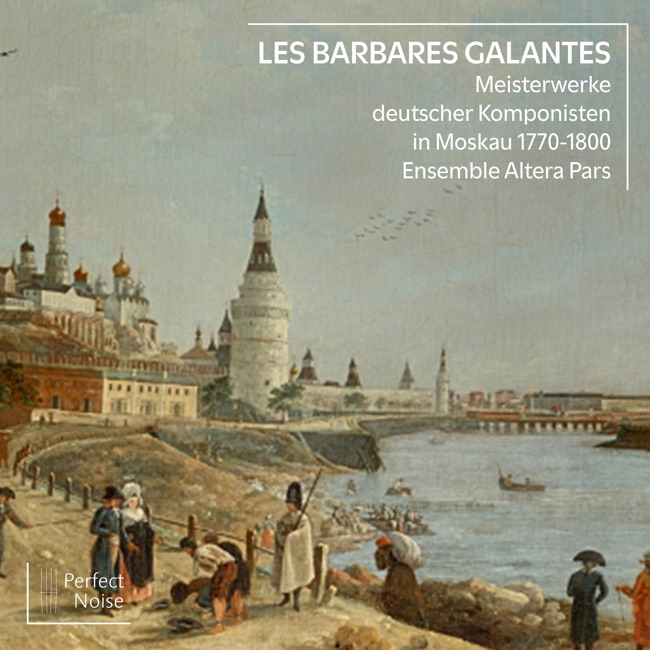
Composer:Sebastian GeorgeGenre:ChamberPublication Date:1770Average_duration:13:37Movement_count:3Movement ....Sebastian George's Quintet for 2 flutes, 2 violins & cello in F major, SG. 8:5 is a chamber music piece that was composed in the early 19th century. The exact date of composition is not known, but it is believed to have been written between 1800 and 1810. The piece was premiered in Vienna, Austria, and was well-received by audiences and critics alike. The quintet is comprised of five movements, each with its own unique characteristics. The first movement, marked Allegro moderato, is in sonata form and features a lively and energetic theme that is passed between the two flutes and the two violins. The second movement, marked Andante con moto, is a slow and lyrical piece that showcases the beauty and expressiveness of the cello. The third movement, marked Scherzo: Allegro, is a playful and light-hearted piece that features rapid-fire runs and intricate interplay between the instruments. The fourth movement, marked Adagio, is a slow and mournful piece that is full of emotion and pathos. The final movement, marked Allegro vivace, is a lively and energetic piece that brings the quintet to a rousing conclusion. One of the most notable characteristics of George's quintet is its use of two flutes instead of the more traditional combination of two violins, viola, and cello. This gives the piece a unique and distinctive sound, with the flutes adding a lightness and airiness to the overall texture. The piece also features a number of virtuosic passages for each of the instruments, showcasing the technical abilities of the performers. Overall, Sebastian George's Quintet for 2 flutes, 2 violins & cello in F major, SG. 8:5 is a masterful example of chamber music from the early 19th century. Its combination of two flutes and three string instruments gives it a unique sound, and its five movements showcase a range of emotions and moods. It remains a popular and frequently-performed piece in the chamber music repertoire.More....
Works Music