


William Byrd
Gradualia ac cantiones sacrae
Released Album
Recent Album


Works Info
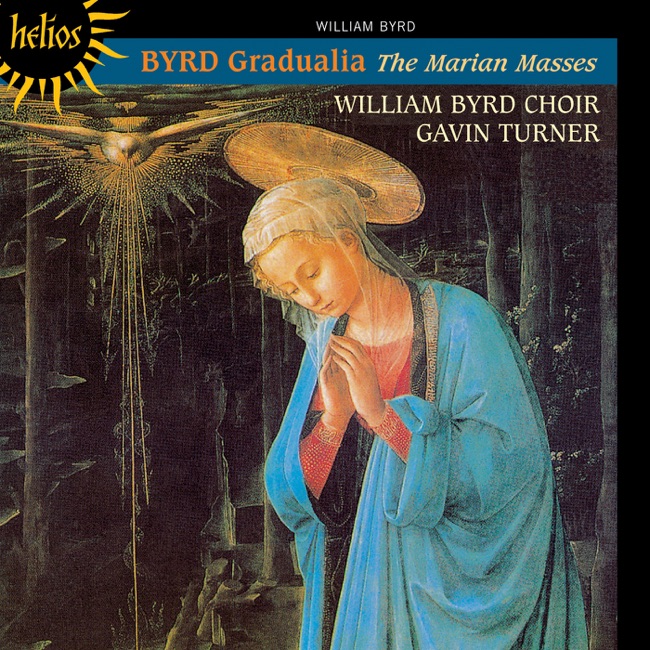
Composer:William ByrdGenre:ChoralStyle:MotetCompose Date:1605William Byrd's 'Gradualia ac cantiones sacrae' is a collection of sacred music that was composed in the late 16th century. The collection was first published in 1605 and contains music for the entire liturgical year, including music for the Mass, Vespers, and other services. The 'Gradualia' is divided into two volumes, with the first volume containing music for the feasts of the Blessed Virgin Mary and the second volume containing music for the rest of the liturgical year. Each volume is further divided into sections for the different parts of the Mass or Vespers service. The music in the 'Gradualia' is characterized by its rich harmonies, intricate counterpoint, and expressive melodies. Byrd was a master of polyphony, and his music often features multiple independent voices weaving in and out of each other in complex patterns. The 'Gradualia' also showcases Byrd's skill as a composer of liturgical music. The music is designed to enhance the text and meaning of the liturgy, with each piece carefully crafted to fit the specific moment in the service for which it was intended. The 'Gradualia' was premiered in the context of the Catholic liturgy, which was still the dominant form of Christianity in England at the time of its composition. However, Byrd was a Catholic living in a Protestant country, and his music was often performed in secret in Catholic households or in underground Catholic churches. Despite the challenges he faced as a Catholic composer in Protestant England, Byrd's music was highly regarded by his contemporaries and has continued to be celebrated to this day. The 'Gradualia ac cantiones sacrae' remains one of his most important and enduring works, a testament to his skill as a composer and his devotion to the Catholic faith.More....
Works Music
Released Music


Main Perform Artists
Bass Vocal
Counter Tenor Vocal
Soprano Vocal
Tenor Vocal
Counter Tenor Vocal
Organ