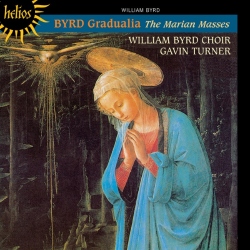
William Byrd
Benedicta et venerabilis
Released Album
Recent Album
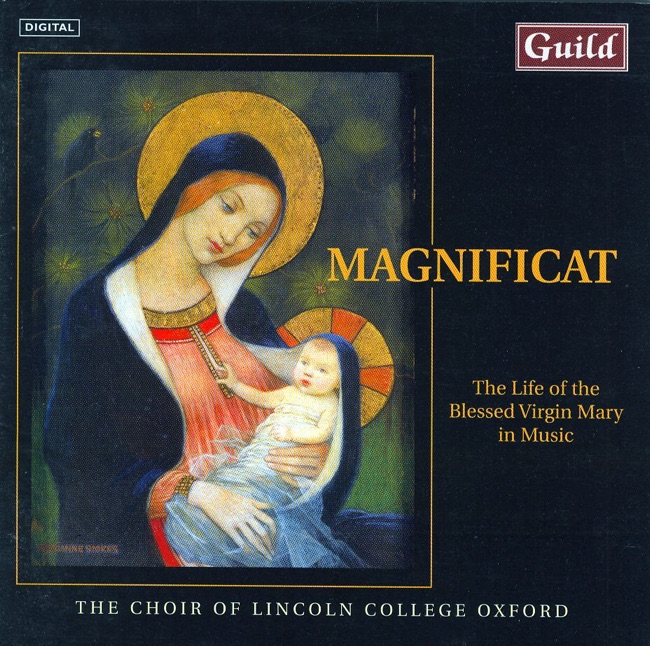
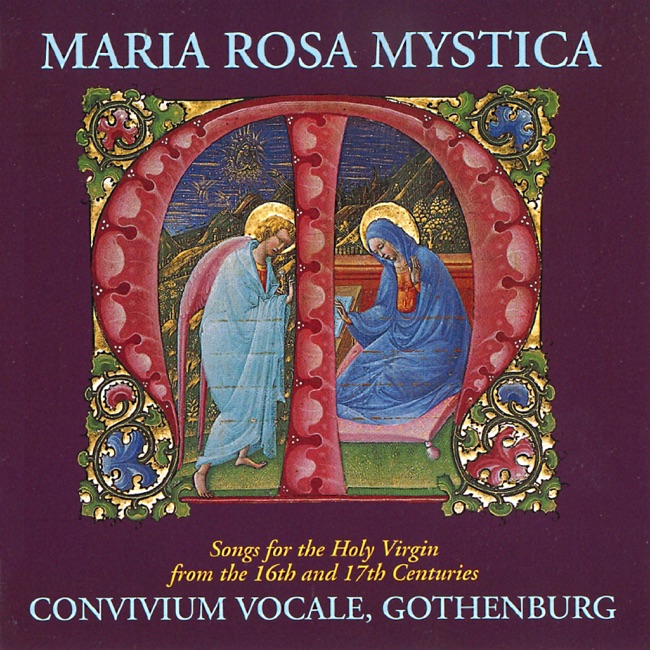
Works Info
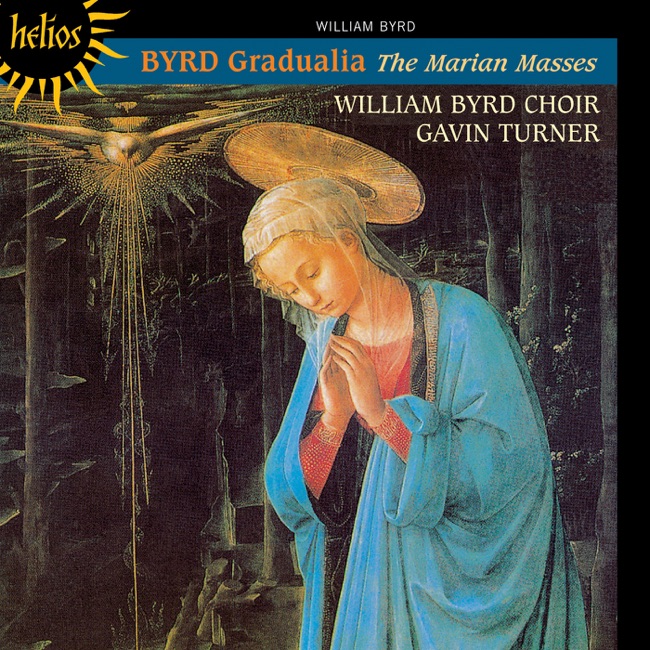
Composer:William ByrdGenre:ChoralStyle:MotetAverage_duration:1:34Benedicta et venerabilis is a sacred motet composed by William Byrd, an English composer of the Renaissance period. The piece was composed in the late 16th century, around 1590. It is a six-part motet, which means that it is written for six voices, and is based on a Latin text from the Book of Wisdom. The piece was likely composed for use in the Catholic liturgy, as Byrd was a devout Catholic and composed many works for the Catholic Church during a time when Catholicism was outlawed in England. The motet is characterized by its rich harmonies, intricate counterpoint, and expressive use of text painting. The piece is divided into three movements, each of which is based on a different section of the text. The first movement begins with a solemn and majestic opening, with the voices entering one by one to create a rich and complex texture. The second movement is more lively and rhythmic, with the voices imitating each other in a playful and joyful manner. The final movement returns to the solemn and majestic character of the opening, with the voices building to a powerful and triumphant conclusion. Throughout the piece, Byrd uses a variety of compositional techniques to bring out the meaning of the text. For example, in the second movement, the voices imitate each other in a way that suggests the idea of "rejoicing together." In the final movement, the voices build to a climax on the word "gloria," emphasizing the idea of giving glory to God. Overall, Benedicta et venerabilis is a beautiful and expressive work that showcases Byrd's mastery of Renaissance polyphony. Its rich harmonies, intricate counterpoint, and expressive use of text painting make it a masterpiece of sacred music.More....
Works Music
Released Music