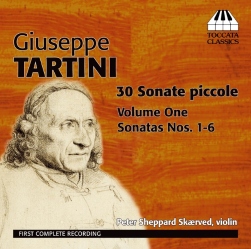
Giuseppe Tartini
Sonata for violin & continuo in G major, B. G1
Released Album
Recent Album
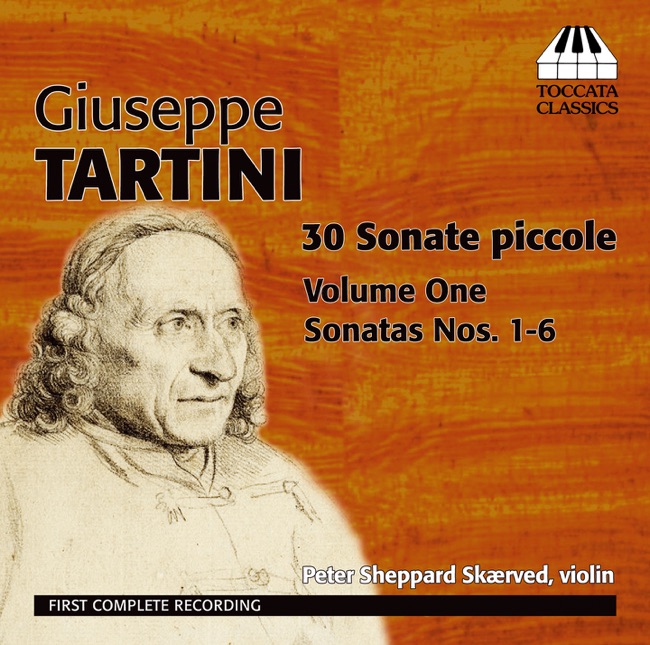
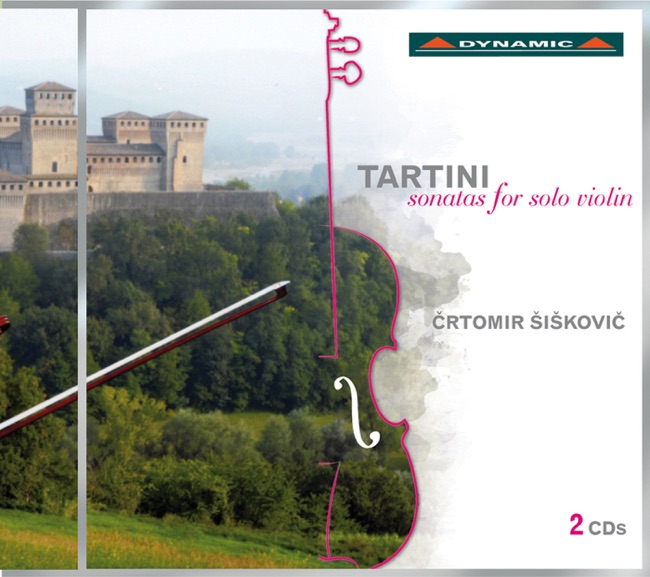
Works Info
Composer:Giuseppe TartiniGenre:ChamberCompose Date:ca. 1745Average_duration:10:31Movement_count:4Movement ....The 'Sonata for violin & continuo in G major, B. G1' is a Baroque composition by the Italian composer and violinist Giuseppe Tartini. The exact date of its composition is unknown, but it is believed to have been written in the early 18th century. The sonata is one of Tartini's most famous works and is often performed by violinists today. The 'Sonata for violin & continuo in G major, B. G1' consists of four movements: Adagio, Allegro, Andante, and Allegro assai. The first movement, Adagio, is a slow and expressive introduction that sets the tone for the rest of the sonata. The second movement, Allegro, is a lively and energetic dance that showcases the virtuosity of the violinist. The third movement, Andante, is a lyrical and melancholic piece that provides a contrast to the previous movement. The final movement, Allegro assai, is a fast and lively dance that brings the sonata to a thrilling conclusion. The 'Sonata for violin & continuo in G major, B. G1' is characterized by its beautiful melodies, intricate ornamentation, and virtuosic violin writing. Tartini was known for his innovative use of harmonies and his ability to create complex and expressive music. The sonata is a prime example of Tartini's style, with its rich harmonies, expressive melodies, and technical demands on the violinist. The 'Sonata for violin & continuo in G major, B. G1' premiered during Tartini's lifetime and was likely performed by the composer himself. Today, the sonata is a popular piece in the violin repertoire and is often performed in concerts and recitals. Its enduring popularity is a testament to Tartini's skill as a composer and his ability to create music that continues to captivate audiences centuries after its creation.More....
Works Music
Released Music