Hubert Parry
Magnificat in D major
Released Album
Recent Album
Works Info
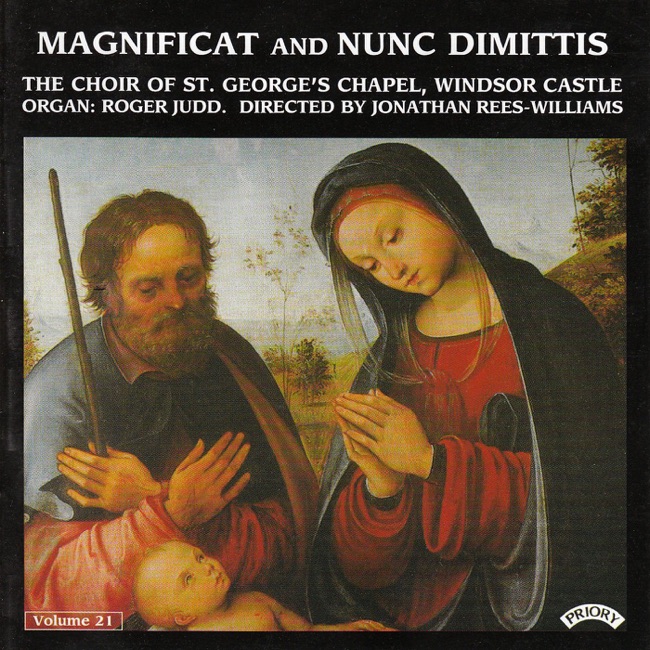
Composer:Hubert ParryGenre:ChoralStyle:MagnificatAverage_duration:8:34Hubert Parry's Magnificat in D major is a choral work composed in 1897. It was premiered on June 22, 1897, at the Three Choirs Festival in Worcester, England. The work is divided into six movements, each of which is based on a section of the Magnificat, a hymn of praise from the Gospel of Luke. The first movement, "Magnificat anima mea Dominum," is a joyful and exuberant setting of the opening lines of the Magnificat. The choir sings in unison, with the organ providing a lively accompaniment. The second movement, "Et exultavit spiritus meus," is a solo for alto or mezzo-soprano. The music is more subdued than the first movement, but still joyful and celebratory. The third movement, "Quia respexit humilitatem," is a duet for soprano and tenor. The music is gentle and contemplative, reflecting the humility and grace of Mary, the mother of Jesus. The fourth movement, "Omnes generationes," is a choral fugue. The music is complex and intricate, with the choir singing in multiple parts and the organ providing a rich and full accompaniment. The fifth movement, "Quia fecit mihi magna," is a solo for bass. The music is grand and majestic, reflecting the greatness of God and the blessings he bestows upon his people. The final movement, "Gloria Patri," is a triumphant setting of the doxology, or the final verse of the Magnificat. The choir sings in unison, with the organ providing a powerful and majestic accompaniment. Overall, Parry's Magnificat in D major is a beautiful and uplifting work, full of joy, celebration, and reverence. The music is rich and complex, with intricate harmonies and soaring melodies that showcase the talents of both the choir and the organist. It is a testament to Parry's skill as a composer and his deep faith in God.More....
Works Music
Released Music