


Francesco Geminiani
Sonata for violin & continuo No. 10 in A major, Op. 4/10
Released Album
Recent Album
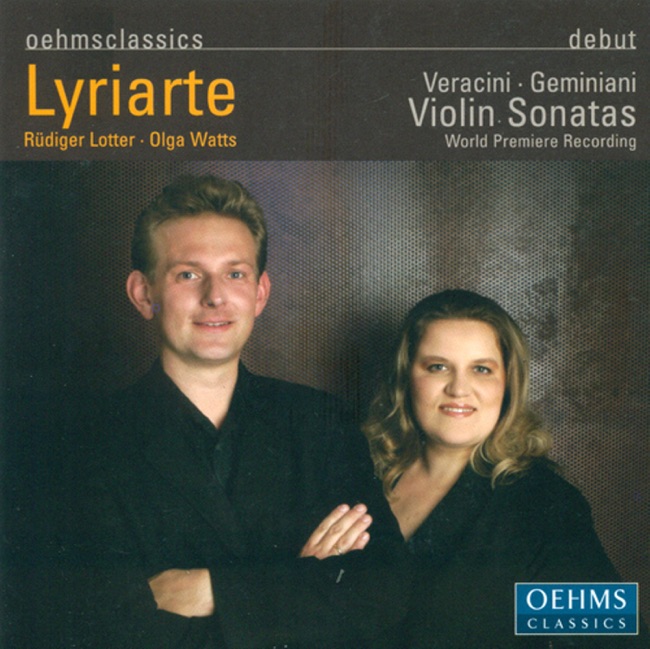
Featured Album
Works Info
Composer:Francesco GeminianiGenre:ChamberStyle:SonataCompose Date:1739Publication Date:1739Average_duration:7:38Movement_count:3Movement ....Francesco Geminiani's Sonata for violin & continuo No. 10 in A major, Op. 4/10 is a Baroque-era composition that was composed in the early 18th century. The exact date of its composition is not known, but it is believed to have been written around 1716-1717. The sonata was first published in London in 1739 as part of Geminiani's Opus 4 collection. The sonata is divided into four movements, typical of the Baroque sonata da chiesa (church sonata) form. The first movement is marked Allegro and is in a binary form, with two contrasting sections. The second movement is marked Adagio and is a slow, lyrical piece that showcases the violin's expressive capabilities. The third movement is marked Allegro and is a lively dance-like movement in triple meter. The final movement is marked Allegro and is a fast, virtuosic piece that features intricate passagework for the violin. One of the characteristics of Geminiani's music is his use of ornamentation, which was a common feature of Baroque music. In this sonata, the violin part is filled with trills, turns, and other embellishments that add to the overall ornamentation of the piece. Another characteristic of Geminiani's music is his use of counterpoint, which is evident in the interplay between the violin and continuo parts. Overall, Geminiani's Sonata for violin & continuo No. 10 in A major, Op. 4/10 is a fine example of Baroque-era chamber music. Its four movements showcase the violin's versatility and virtuosity, while also highlighting Geminiani's skill as a composer.More....
Works Music
Released Music
1

4:15
2
2:45
3
1:32
4
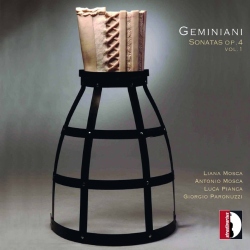
3:30
5
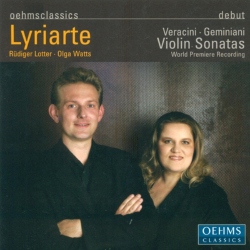
3:3
Featured Music
1
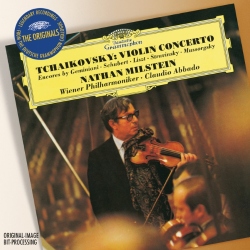
2:46
2
2:6
3
2:1