Gioachino Rossini
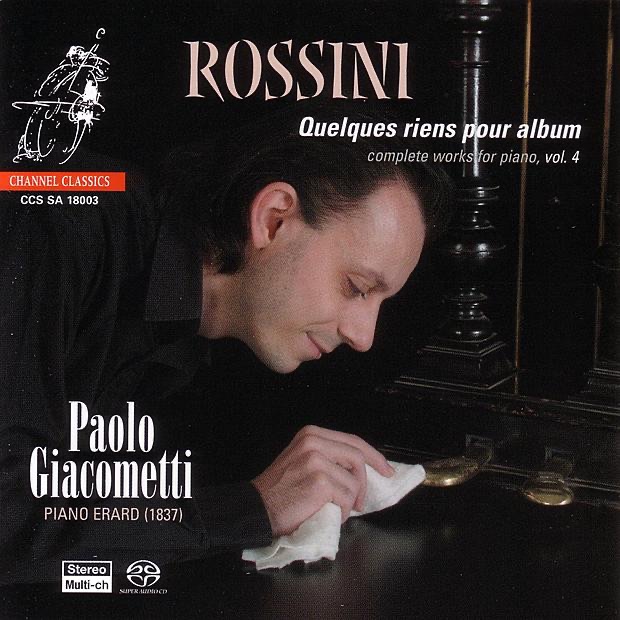
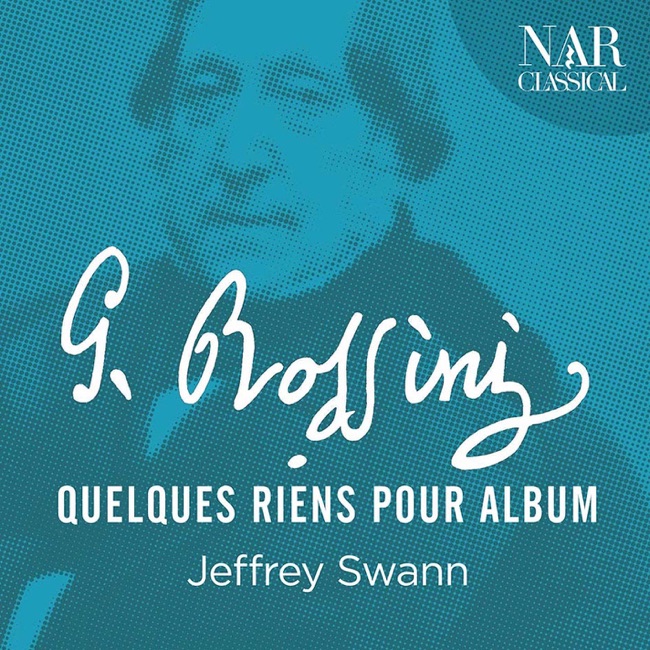
Quelques Riens pour album: No. 14 "Étude en ut"
Released Album
Recent Album
Works Info
Composer:Gioachino RossiniGenre:KeyboardStyle:EtudeAverage_duration:3:39Gioachino Rossini, the renowned Italian composer, wrote "Quelques Riens pour album: No. 14 Étude en ut" in 1858. The piece was premiered in Paris, France, in the same year. It is a solo piano composition that belongs to the genre of études, which are musical pieces designed to help pianists improve their technical skills. The piece is divided into three movements, each with its own distinct characteristics. The first movement is marked "Allegro vivace" and is characterized by its lively and energetic tempo. The second movement, marked "Andantino," is slower and more contemplative, with a more melodic and lyrical quality. The final movement, marked "Allegro," returns to the fast and lively tempo of the first movement, with a more complex and intricate melody. One of the most notable characteristics of "Quelques Riens pour album: No. 14 Étude en ut" is its use of chromaticism. Chromaticism is a musical technique that involves the use of notes outside of the traditional diatonic scale. Rossini uses chromaticism to create a sense of tension and dissonance in the piece, which is then resolved through the use of more traditional harmonies. Another characteristic of the piece is its use of virtuosic piano techniques. Rossini was known for his ability to write technically challenging music, and "Quelques Riens pour album: No. 14 Étude en ut" is no exception. The piece requires a high level of technical skill, particularly in the fast and intricate passages of the first and third movements. Overall, "Quelques Riens pour album: No. 14 Étude en ut" is a challenging and complex piece of music that showcases Rossini's skill as a composer. Its use of chromaticism and virtuosic piano techniques make it a popular choice for advanced pianists looking to improve their skills.More....
Works Music