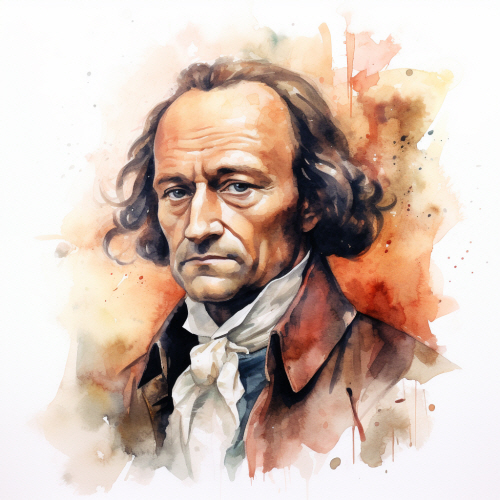
Johann Pachelbel
Toccata and Fugue, for organ in B flat major, T. 247
Released Album
Recent Album
Works Info
Composer:Johann PachelbelGenre:KeyboardStyle:Toccata & FugueCompose Date:1692Publication Date:1901Average_duration:2:41Johann Pachelbel's Toccata and Fugue, for organ in B flat major, T. 247, is a well-known piece of Baroque music. It was composed in the late 17th century, but the exact date is unknown. The piece is believed to have been written for the organ, which was a popular instrument during the Baroque period. The Toccata and Fugue is divided into two movements: the toccata and the fugue. The toccata is a fast and virtuosic piece that showcases the performer's technical abilities. It is characterized by its rapid arpeggios and runs, as well as its use of pedal tones. The toccata is followed by the fugue, which is a more structured and complex piece. The fugue is built around a single theme, which is introduced at the beginning and then developed throughout the piece. The theme is passed between different voices and is subjected to various contrapuntal techniques, such as inversion and augmentation. One of the most notable characteristics of the Toccata and Fugue is its use of harmony. Pachelbel was known for his use of rich and complex harmonies, and this piece is no exception. The piece is also notable for its use of counterpoint, which is a technique that involves the interweaving of multiple melodies. Pachelbel was a master of counterpoint, and the Toccata and Fugue is a prime example of his skill in this area. The Toccata and Fugue was not published during Pachelbel's lifetime, and it is unclear whether he intended it to be performed as a single piece or as part of a larger work. The piece was not widely known until the 19th century, when it was rediscovered and popularized by the Romantic composers. Today, it is one of the most famous pieces of Baroque music and is frequently performed on the organ.More....
Works Music
Released Music
1
2:53
2
2:57
3
3:1
4
3:2
5

1:47
6
2:28
7
1:56