


Codex Franus Anonymous
Moteto Unde gaudent angeli, Eya Dei ierarchia, Nostra iocunda curia
Released Album
Recent Album
Works Info
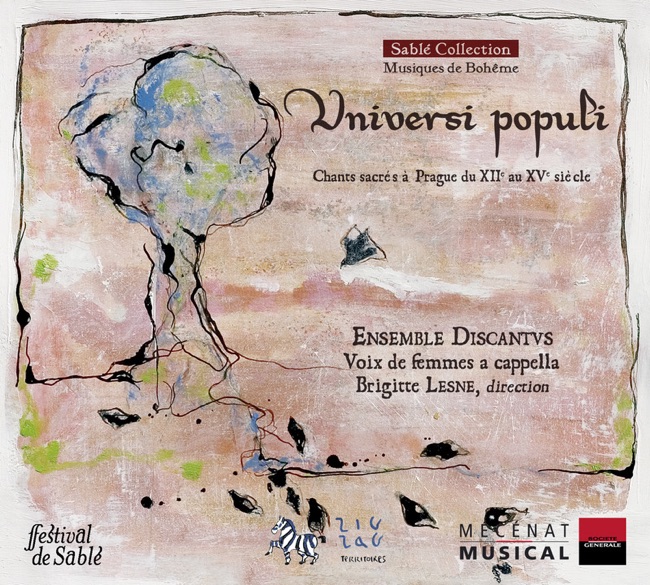
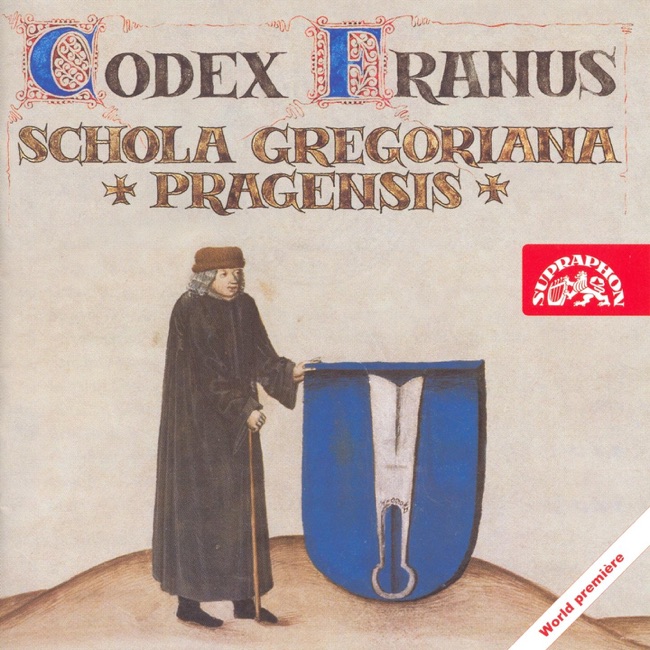
Composer:Codex Franus AnonymousGenre:ChoralStyle:MotetAverage_duration:1:23The motet "Unde gaudent angeli, Eya Dei ierarchia, Nostra iocunda curia" is a composition by the anonymous composer of the Codex Franus, a manuscript from the 14th century. The motet is written in Latin and is believed to have been composed in the late 13th or early 14th century. The motet is divided into three movements, each with its own text and musical theme. The first movement, "Unde gaudent angeli," is a hymn to the Virgin Mary. The second movement, "Eya Dei ierarchia," is a hymn to the Holy Trinity. The third movement, "Nostra iocunda curia," is a hymn to the saints. The first movement begins with a solo voice singing the text "Unde gaudent angeli," which translates to "Whence the angels rejoice." The melody is simple and chant-like, with a narrow range and a steady rhythm. The other voices enter one by one, creating a polyphonic texture that builds in intensity as the movement progresses. The text praises the Virgin Mary as the "queen of heaven" and asks for her intercession. The second movement begins with a lively and rhythmic melody sung by the upper voices. The text, "Eya Dei ierarchia," translates to "Hail, hierarchy of God." The lower voices enter with a slower and more chant-like melody, creating a contrast with the upper voices. The movement is characterized by its use of syncopation and rhythmic complexity, which create a sense of energy and excitement. The third movement begins with a solo voice singing the text "Nostra iocunda curia," which translates to "Our joyful court." The melody is simple and chant-like, similar to the first movement. The other voices enter one by one, creating a polyphonic texture that builds in intensity as the movement progresses. The text praises the saints and asks for their intercession. Overall, the motet "Unde gaudent angeli, Eya Dei ierarchia, Nostra iocunda curia" is characterized by its use of polyphony, rhythmic complexity, and chant-like melodies. The text is religious in nature, praising the Virgin Mary, the Holy Trinity, and the saints. The motet is an example of the medieval tradition of vocal music, which was an important part of religious and secular life during the Middle Ages.More....
Works Music
Released Music
1
Moteto Unde gaudent angeli, Eya Dei hierarchy, Nostra iocunda curia
Nostra iocunda curia / Eya / Unde gaudent angeli, Motet
1:32
2
1:23