


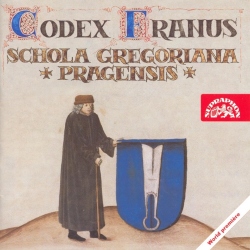
Codex Franus Anonymous
Released Album
Choral
-
 June 11, 2021
 -
 November 25, 2008
 -
 January 28, 2008
Artist Info
Role:ComposerGenre:ChoralCodex Franus Anonymous is a classical music composer whose identity remains unknown to this day. The only information available about this composer is the collection of works that have been attributed to them, which are found in the Codex Franus manuscript. The Codex Franus is a collection of medieval music that was discovered in the 19th century in the library of the Benedictine Abbey of St. Emmeram in Regensburg, Germany. The manuscript is believed to have been written in the 14th century and contains a variety of music, including sacred and secular pieces. The birth and growth of Codex Franus Anonymous is shrouded in mystery. It is not known when or where the composer was born, nor is there any information about their upbringing or education. It is possible that the composer was a member of the clergy, as many of the pieces in the Codex Franus are sacred in nature. However, this is purely speculation, and there is no concrete evidence to support this theory. Despite the lack of information about the composer, the works attributed to Codex Franus Anonymous are highly regarded in the world of classical music. The Codex Franus contains a variety of pieces, including motets, conductus, and instrumental music. The motets are particularly noteworthy, as they are some of the earliest examples of polyphonic music. Polyphonic music is characterized by multiple voices singing different melodies at the same time, and it was a significant development in the history of Western music. One of the most famous pieces attributed to Codex Franus Anonymous is the motet "Ave Maria." This piece is a beautiful example of early polyphonic music and is still performed today. The motet is written for three voices and is based on the text of the Hail Mary prayer. The piece is notable for its use of imitation, where one voice sings a melody and is then imitated by another voice. This technique creates a sense of unity and harmony in the music. Another notable piece in the Codex Franus is the conductus "Verbum Bonum et Suave." This piece is a hymn that was likely used in religious processions. The text of the hymn is in Latin and praises the virtues of Christ. The music is written for three voices and is characterized by its rhythmic complexity. The piece features a variety of rhythmic patterns, including syncopation and hemiola, which create a sense of movement and energy in the music. In addition to the vocal music in the Codex Franus, there are also several instrumental pieces. These pieces are written for a variety of instruments, including the vielle, a medieval stringed instrument, and the organ. One of the most famous instrumental pieces in the Codex Franus is the "Estampie." This piece is a dance that was popular in medieval Europe. The music is written for the vielle and features a lively, rhythmic melody that is sure to get people moving. Despite the lack of information about the composer, the works attributed to Codex Franus Anonymous are a testament to their skill and creativity. The music in the Codex Franus is a valuable resource for scholars and musicians alike, as it provides a glimpse into the musical traditions of medieval Europe. The works of Codex Franus Anonymous continue to be performed and studied today, ensuring that their legacy will live on for generations to come.More....
Recent Artist Music

4
1:18
6
Moteto Unde gaudent angeli, Eya Dei hierarchy, Nostra iocunda curia
Nostra iocunda curia / Eya / Unde gaudent angeli, Motet
1:32
8
Introitus Terribilis is locus
Introit for the Dedication fo a Church: Terribilis est locus iste
2:16
Copyright Ⓒ 2013 Davinci Finger. All rights reseved
Service Terms & Policy