Franz Liszt
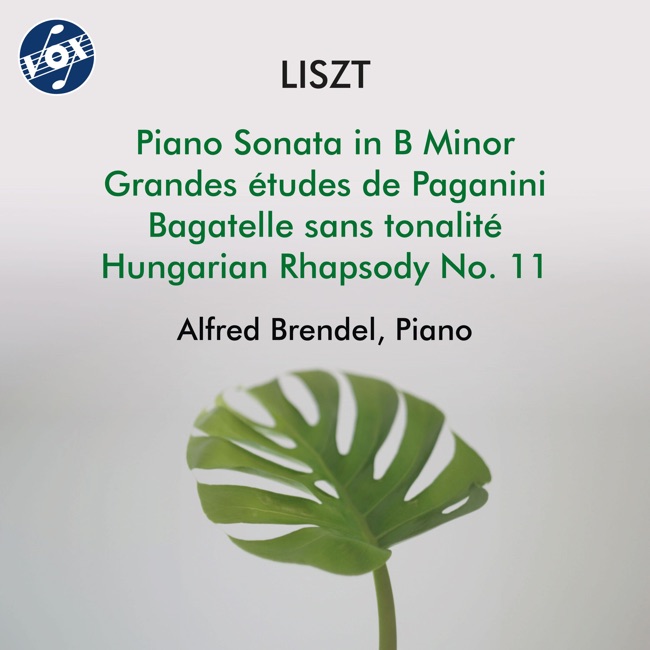
Bagatelle sans tonalité, S. 216a
Released Album
Recent Album




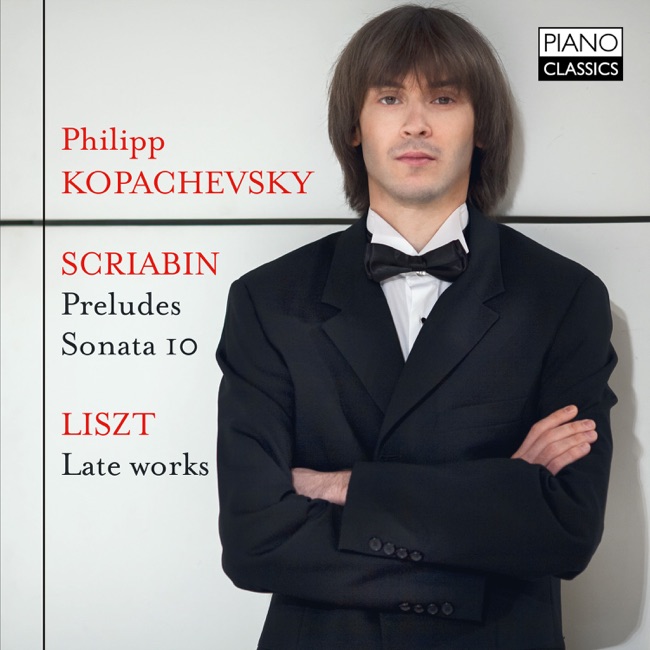
Featured Album
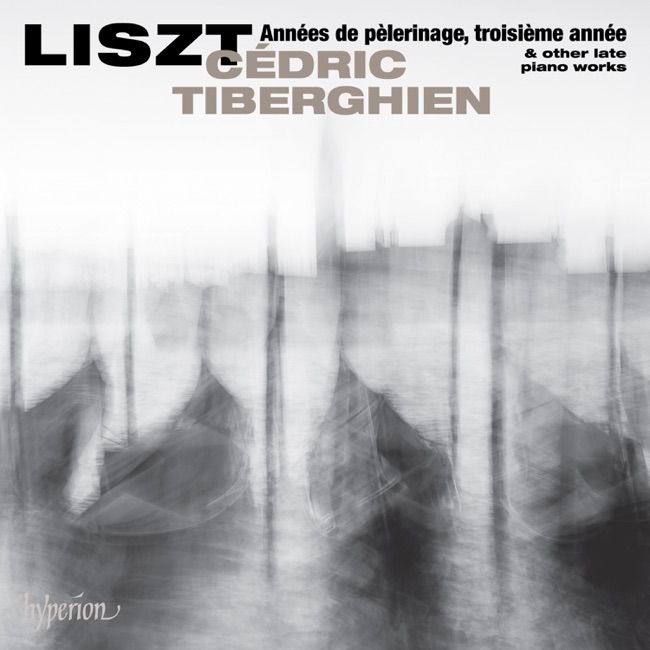


Works Info
Composer:Franz LisztGenre:KeyboardStyle:BagatelleCompose Date:1885Publication Date:1956Average_duration:2:55Franz Liszt's "Bagatelle sans tonalité, S. 216a" is a short piano piece that was composed in 1885. It was premiered by the composer himself in the same year. The piece is divided into three movements, each with its own distinct characteristics. The first movement is marked "Andante con moto" and is characterized by a flowing, lyrical melody that is accompanied by arpeggiated chords in the left hand. The harmonies are ambiguous and do not follow a traditional tonal structure, which is in keeping with the title of the piece. The movement ends with a quiet, unresolved chord. The second movement is marked "Allegro vivace" and is much more energetic than the first. It features rapid, virtuosic runs in both hands and a more dissonant harmonic language. The movement is characterized by sudden shifts in dynamics and tempo, which create a sense of unpredictability and excitement. The final movement is marked "Tempo di Valse" and is a waltz in 3/4 time. It is the most tonal of the three movements and features a memorable melody that is repeated throughout. The harmonies are still somewhat ambiguous, but they are more grounded in traditional tonality than in the previous movements. The movement ends with a quiet, unresolved chord, echoing the ending of the first movement. Overall, "Bagatelle sans tonalité, S. 216a" is a short but intriguing piece that showcases Liszt's innovative approach to harmony and form. The title, which translates to "Bagatelle without tonality," is a nod to the piece's unconventional harmonic language and lack of a clear tonal center. Despite its brevity, the piece is a testament to Liszt's continued experimentation and willingness to push the boundaries of traditional musical forms.More....
Works Music
Released Music
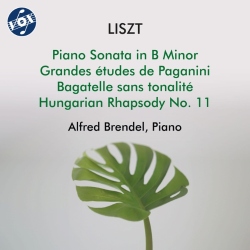
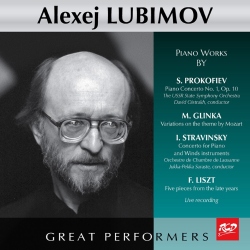

4
2:40


9

Bagatelle sans tonalité, p. 216a
Bagatelle ohne Tonart (Mephisto-Walzer No. IV, R 60, SW/SH 216a, NG A338)
3:29
Featured Music