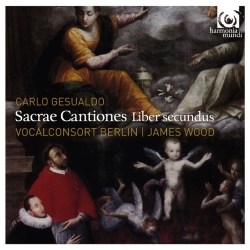
Carlo Gesualdo
Assumpta est Maria, W. 9/58
Released Album
Recent Album
-
 Julie WintrebertNovember 22, 2019
 -
-
-
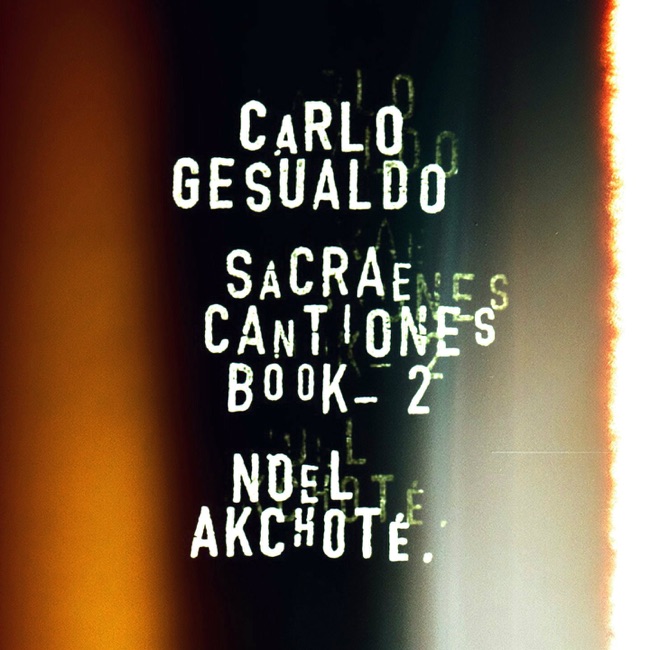
Featured Album

Works Info
Composer:Carlo GesualdoGenre:ChoralStyle:ChoralCompose Date:1603Average_duration:2:59Assumpta est Maria, W. 9/58 is a sacred choral work composed by Carlo Gesualdo, an Italian nobleman and composer of the late Renaissance period. The piece was composed in the late 16th century and is believed to have been premiered in Gesualdo's private chapel in his castle in Naples. Assumpta est Maria is a motet, a type of sacred choral composition that was popular during the Renaissance period. The piece is divided into three movements, each of which is based on a different text from the Catholic liturgy. The first movement is based on the text "Assumpta est Maria in caelum" (Mary has been assumed into heaven), the second on "Gaudeamus omnes in Domino" (Let us all rejoice in the Lord), and the third on "Gloriosa dicta sunt de te, Maria" (Glorious things are said of you, Mary). The first movement of Assumpta est Maria is characterized by its use of chromaticism, a technique that was favored by Gesualdo and is often associated with his music. Chromaticism involves the use of notes that are not part of the diatonic scale, creating a sense of tension and dissonance. This technique is used to great effect in the first movement, which is marked by its dramatic shifts in harmony and its intense emotional expression. The second movement of Assumpta est Maria is more joyful in character, reflecting the text's call to rejoice in the Lord. The music is marked by its lively rhythms and its use of imitative polyphony, a technique in which different voices sing the same melody at different times. This creates a sense of unity and harmony among the voices, reflecting the text's message of communal celebration. The third movement of Assumpta est Maria is more contemplative in character, reflecting the text's focus on Mary's glory. The music is marked by its use of homophonic texture, in which all the voices sing the same melody at the same time. This creates a sense of unity and simplicity, reflecting the text's message of Mary's greatness. Overall, Assumpta est Maria is a powerful and emotionally expressive work that showcases Gesualdo's unique style and his mastery of the Renaissance choral tradition. Its use of chromaticism, imitative polyphony, and homophonic texture create a sense of drama, unity, and contemplation that reflects the text's message of Mary's assumption into heaven.More....
Works Music
Released Music
1
1:34
4
2:22
Featured Music