Mátyás Seiber
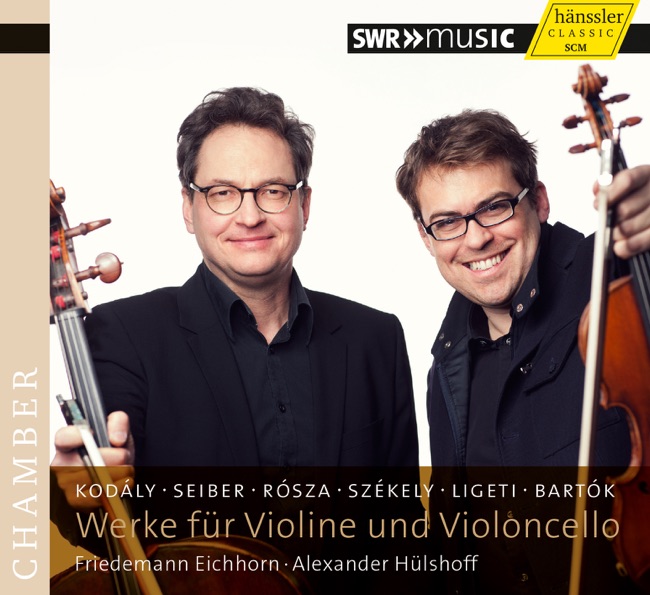
Sonata da camera for violin & cello
Works Info
Composer:Mátyás SeiberGenre:ChamberStyle:Chamber MusicCompose Date:1925Average_duration:14:02Movement_count:2Movement ....The Sonata da camera for violin and cello was composed by Mátyás Seiber in 1948. It premiered in London in the same year, performed by the violinist Max Rostal and cellist Gaspar Cassadó. The piece is divided into three movements: Allegro moderato, Adagio, and Allegro vivace. The first movement, Allegro moderato, begins with a lively and rhythmic theme played by the violin, which is then echoed by the cello. The two instruments engage in a playful dialogue, with each taking turns leading the melody. The movement is characterized by its use of syncopation and shifting time signatures, which create a sense of unpredictability and excitement. The second movement, Adagio, is a slow and mournful piece that showcases the expressive capabilities of the violin and cello. The two instruments play in unison for much of the movement, creating a haunting and melancholic sound. The movement is marked by its use of dissonant harmonies and long, sustained notes, which add to its emotional intensity. The final movement, Allegro vivace, is a lively and energetic piece that brings the sonata to a thrilling conclusion. The movement is characterized by its use of fast, virtuosic passages and intricate counterpoint between the violin and cello. The movement also features a number of sudden shifts in tempo and dynamics, which add to its sense of excitement and unpredictability. Overall, the Sonata da camera for violin and cello is a masterful work that showcases Seiber's skill as a composer and his ability to create music that is both technically challenging and emotionally expressive. The piece is a testament to the enduring power of chamber music and the unique musical dialogue that can be created between two instruments.More....
Works Music
Featured Music