


Mátyás Seiber
Released Album
Chamber
-
 July 28, 2020
 -
-
-
-
 September 2, 2013
 -
 June 10, 2013
Vocal
-
 August 25, 2023
 -
 July 9, 2019
 -
 November 13, 2015
 -
 July 12, 2011
 -
 January 1, 1991
 -
Concerto
-
-
 April 18, 2006
 -
-
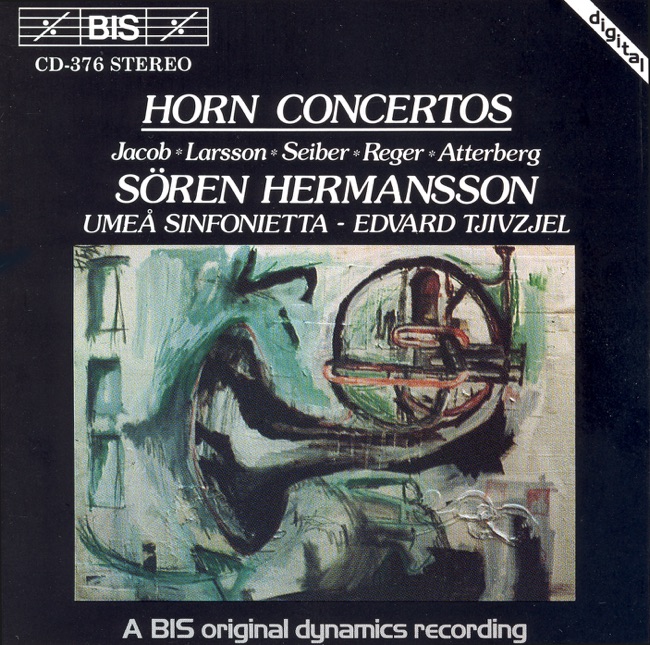 April 19, 1993
Choral
-
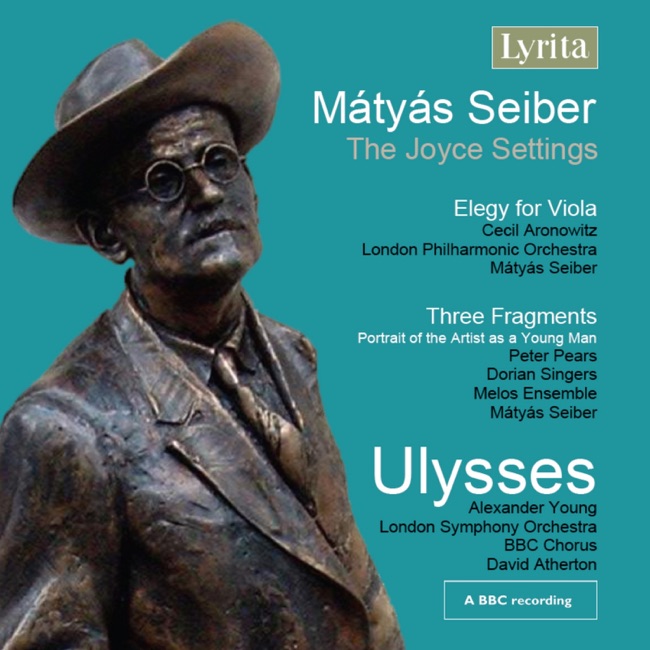 June 9, 2015
 -
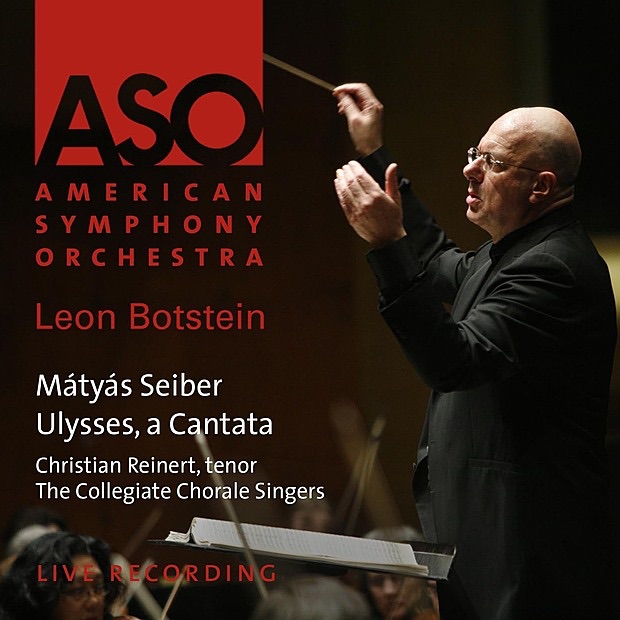 April 16, 2012
 -
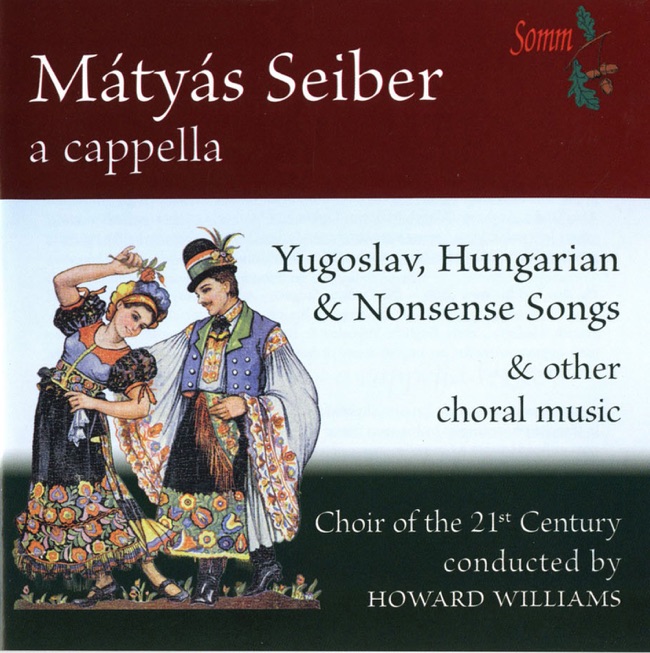 February 20, 2012
Artist Info
Role:Composer ConductorCountry: United KingdomBirth:May 4, 1905 in HungaryDeath:September 24, 1960 in South AfricaPeriod:ContemporaryModernGenre:ChamberChoralConcertoVocalMátyás Seiber was a Hungarian-born composer who made significant contributions to the world of classical music during his lifetime. Born on May 4, 1905, in Budapest, Hungary, Seiber was the son of a prominent physician. From a young age, he showed a keen interest in music and began studying the violin and piano at the age of six. Seiber's musical talents were quickly recognized, and he was accepted into the Franz Liszt Academy of Music in Budapest at the age of 14. There, he studied composition with Zoltán Kodály and violin with Jenő Hubay. Seiber's time at the academy was interrupted by World War I, during which he served in the Austro-Hungarian army. After the war, he returned to the academy and completed his studies in 1927. After graduating, Seiber worked as a freelance musician in Budapest, playing in orchestras and teaching music. In 1935, he was invited to London to teach at the Royal Academy of Music. He accepted the position and moved to England, where he would spend the rest of his life. Seiber's time in England was marked by a prolific output of compositions. He wrote music for a variety of genres, including orchestral works, chamber music, choral music, and film scores. His music was characterized by a unique blend of traditional Hungarian folk music and modernist techniques. One of Seiber's most famous works is his Suite for Viola and Chamber Orchestra, which he composed in 1950. The piece is a tribute to the Hungarian folk music that Seiber grew up with, and it incorporates many traditional melodies and rhythms. The Suite is also notable for its use of modernist techniques, such as polytonality and irregular meters. Another notable work by Seiber is his Three Fragments from "A Portrait of the Artist as a Young Man," which he composed in 1958. The piece is based on James Joyce's novel of the same name and features a narrator reciting passages from the book over a musical accompaniment. The work is a prime example of Seiber's interest in combining different art forms, such as literature and music. Seiber was also a prolific composer of film scores, and he wrote music for many British films in the 1940s and 1950s. Some of his most famous film scores include "The Siege of Pinchgut" (1959) and "The Criminal" (1960). In addition to his work as a composer, Seiber was also a respected music educator. He taught at the Royal Academy of Music for over 20 years and was known for his innovative teaching methods. He was particularly interested in the use of technology in music education and was an early adopter of electronic music. Seiber's life was tragically cut short when he died in a car accident on September 24, 1960, at the age of 55. Despite his relatively short life, he left behind a significant body of work that continues to be performed and studied today. His unique blend of traditional Hungarian folk music and modernist techniques has influenced many composers who have come after him, and his contributions to the world of classical music will not be forgotten.More....
Recent Artist Music
6
4:38
Copyright Ⓒ 2013 Davinci Finger. All rights reseved
Service Terms & Policy