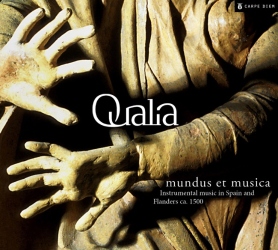
Johannes Tinctoris
Aleluya for 3 voices
Released Album
Recent Album
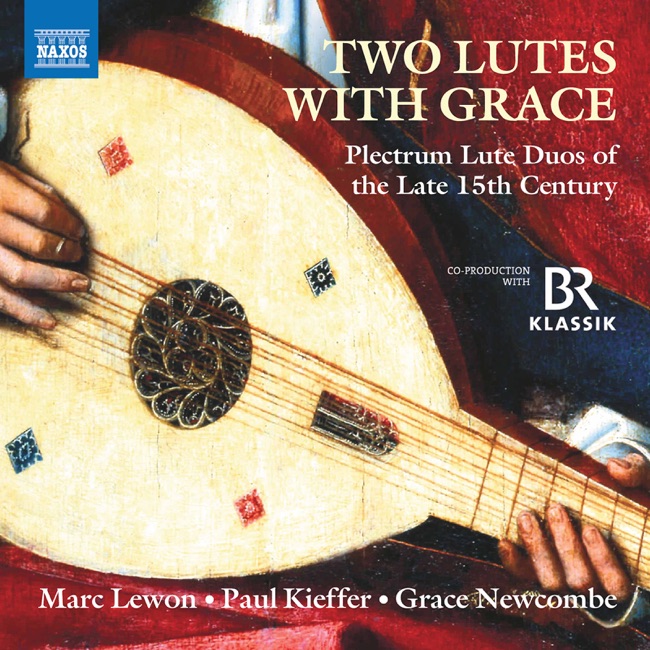
Featured Album
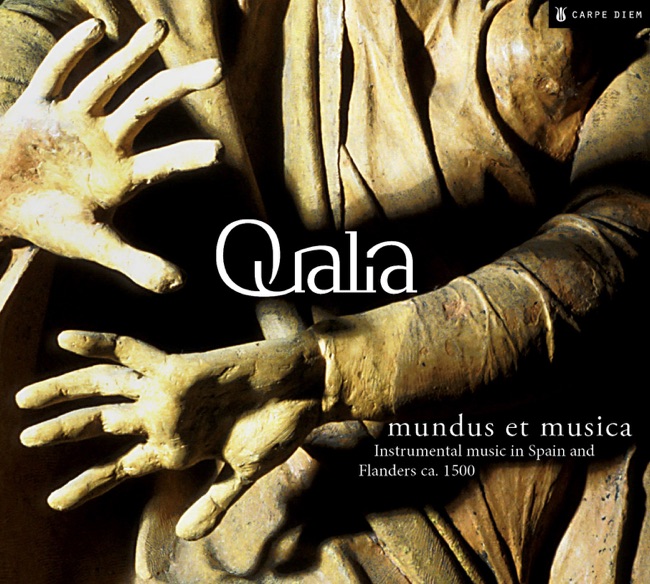
Works Info
Composer:Johannes TinctorisGenre:ChoralAverage_duration:1:33Johannes Tinctoris, a Flemish composer, music theorist, and author, composed the "Aleluya for 3 voices" in the late 15th century. The exact date of composition is unknown, but it is believed to have been written between 1475 and 1485. The piece is a sacred motet, which was a popular form of vocal music during the Renaissance. The "Aleluya for 3 voices" is a three-part composition that features a soprano, alto, and tenor voice. The piece is written in Latin and is based on a biblical text. The motet is divided into three movements, each with its own distinct character and musical style. The first movement is marked "Allegro" and is characterized by its lively and energetic tempo. The soprano voice leads the melody, while the alto and tenor voices provide harmonic support. The text of the first movement is a joyful proclamation of praise and thanksgiving. The second movement is marked "Adagio" and is much slower in tempo than the first. The alto voice takes the lead in this movement, with the soprano and tenor voices providing a rich harmonic backdrop. The text of the second movement is more contemplative and reflective, focusing on the idea of redemption and salvation. The final movement is marked "Allegro" and returns to the lively and energetic tempo of the first movement. The tenor voice takes the lead in this movement, with the soprano and alto voices providing harmonic support. The text of the final movement is a triumphant declaration of victory and celebration. Overall, the "Aleluya for 3 voices" is a beautiful example of Renaissance vocal music. It showcases Tinctoris' skill as a composer and his ability to create complex and intricate harmonies. The piece is a testament to the power of music to convey emotion and meaning, even across centuries and cultures.More....
Works Music
Released Music
Featured Music