


Michel Corrette
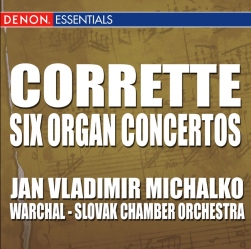
Concerto for organ & orchestra No. 6 in D minor, Op. 26/6
Released Album
Recent Album
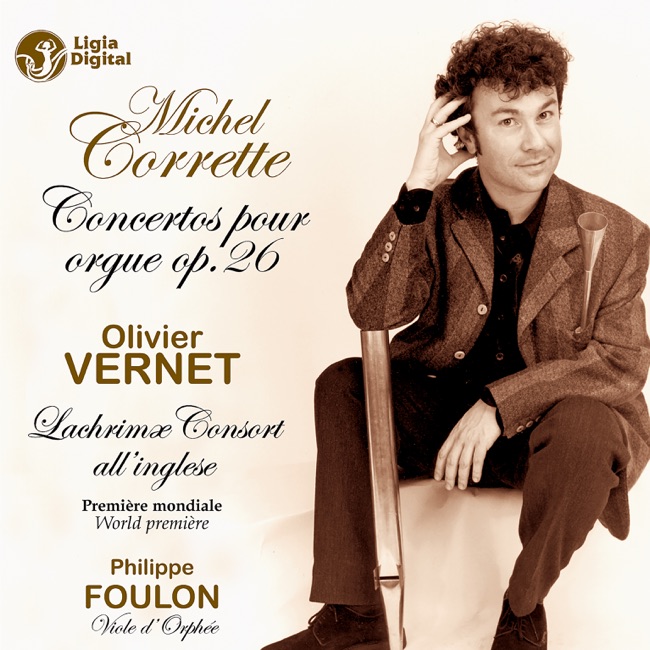
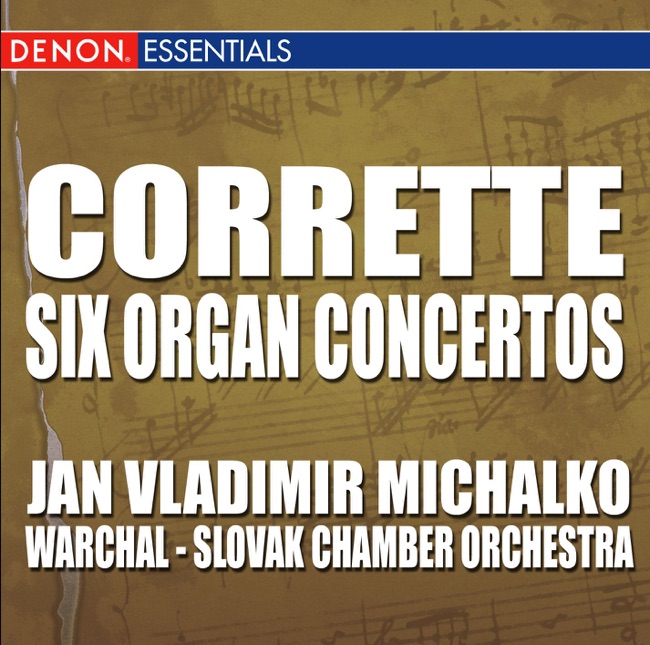
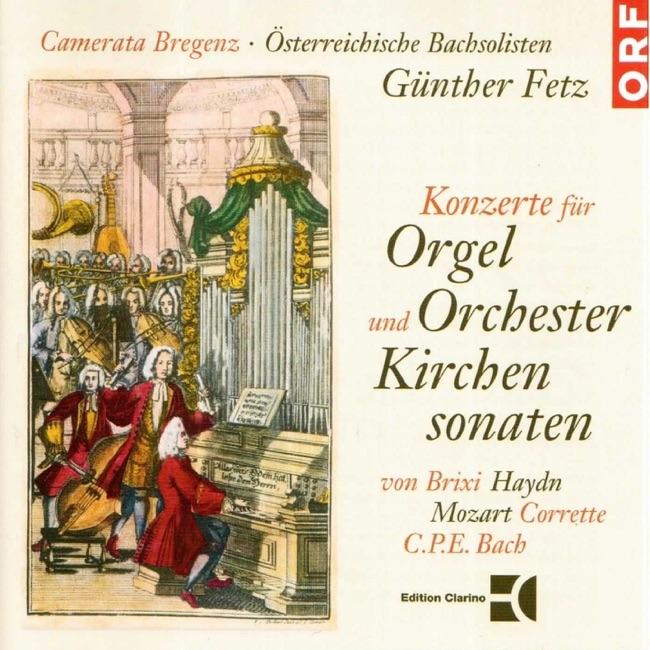
Works Info
Composer:Michel CorretteGenre:ConcertoStyle:ConcertoAverage_duration:9:02Movement_count:3Movement ....The Concerto for organ & orchestra No. 6 in D minor, Op. 26/6, was composed by Michel Corrette, a French composer and organist, in the mid-18th century. The exact date of composition is unknown, but it is believed to have been written around 1750. The concerto was premiered in Paris, where Corrette was based, and was well-received by audiences and critics alike. The concerto is divided into three movements: Allegro, Adagio, and Allegro. The first movement, Allegro, is characterized by its lively and energetic tempo, with the organ and orchestra engaging in a playful dialogue. The second movement, Adagio, is more subdued and introspective, with the organ taking center stage and the orchestra providing a gentle accompaniment. The final movement, Allegro, returns to the lively and energetic tempo of the first movement, with the organ and orchestra engaging in a spirited and joyful conversation. One of the most notable characteristics of the concerto is its use of the organ as a solo instrument. Corrette was an accomplished organist himself, and he wrote many works for the instrument throughout his career. In this concerto, he showcases the organ's versatility and range, allowing it to shine both as a solo instrument and as part of the larger orchestral ensemble. Another notable characteristic of the concerto is its use of Baroque musical forms and techniques. The concerto follows the traditional three-movement structure of Baroque concertos, with each movement featuring a distinct tempo and mood. Additionally, Corrette employs many of the ornamentation and improvisational techniques that were common in Baroque music, giving the concerto a lively and dynamic feel. Overall, the Concerto for organ & orchestra No. 6 in D minor, Op. 26/6, is a masterful work that showcases Corrette's skill as a composer and organist. Its lively and energetic tempo, use of Baroque forms and techniques, and showcase of the organ as a solo instrument make it a beloved work among classical music enthusiasts.More....
Works Music
Released Music
1
2:46
2
2:56
3
2:53