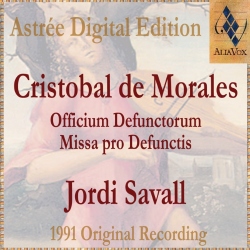
Cristóbal de Morales
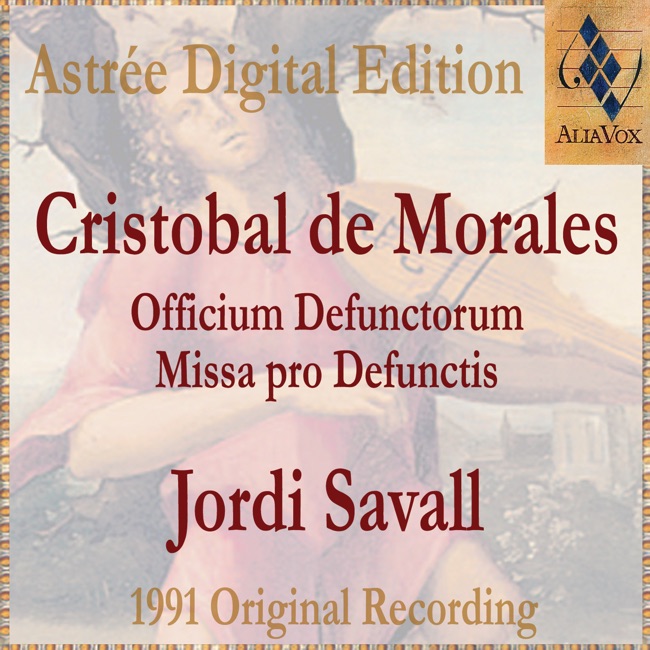
Missa Pro defunctis à 5
Released Album
Recent Album
Works Info
Composer:Cristóbal de MoralesGenre:ChoralStyle:MassAverage_duration:40:59Cristóbal de Morales, a Spanish composer of the Renaissance era, composed the 'Missa Pro defunctis à 5' in the mid-16th century. The piece is also known as the Requiem Mass and is a musical setting of the Catholic Mass for the dead. The 'Missa Pro defunctis à 5' premiered in the Chapel Royal of Emperor Charles V in Brussels, Belgium, in 1544. The piece consists of six movements: Introitus, Kyrie, Graduale, Offertorium, Sanctus-Benedictus, and Agnus Dei. The Introitus is a somber and mournful piece that sets the tone for the entire Mass. The Kyrie is a plea for mercy and forgiveness, with the choir singing in a polyphonic style. The Graduale is a chant that is sung during the reading of the Epistle, and it is a prayer for the soul of the deceased. The Offertorium is a prayer for the dead, asking for their souls to be released from purgatory. The Sanctus-Benedictus is a joyful piece that celebrates the glory of God and the resurrection of the dead. The Agnus Dei is a plea for mercy and peace for the deceased. The 'Missa Pro defunctis à 5' is characterized by its use of polyphony, which is a style of music that features multiple voices singing different melodies at the same time. Morales uses this technique to create a rich and complex sound that is both beautiful and haunting. The piece is also known for its use of dissonance, which creates a sense of tension and unease. Overall, the 'Missa Pro defunctis à 5' is a powerful and moving piece of music that captures the solemnity and reverence of the Catholic Mass for the dead. It is a testament to Morales' skill as a composer and his ability to create music that speaks to the soul.More....
Works Music
Released Music