Anton Bruckner
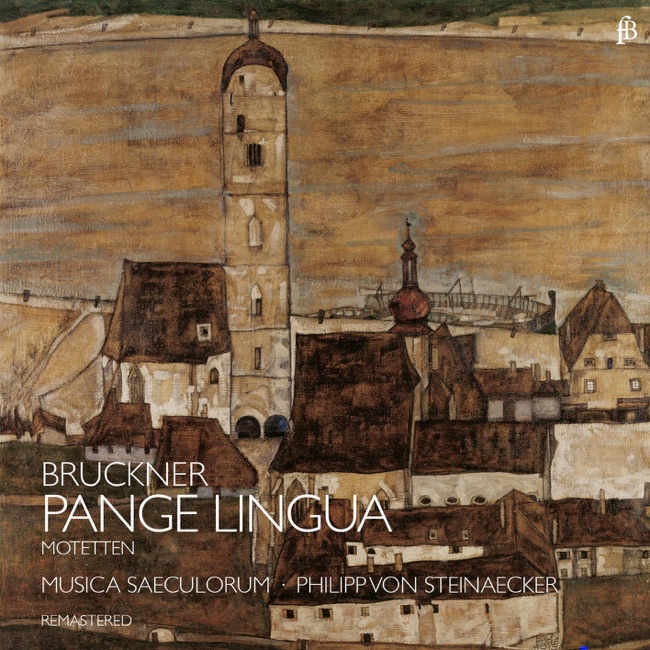
Pange lingua, hymn for chorus in C major, WAB 31
Released Album
Recent Album
-
 The Chinese University of Hong Kong ChorusSeptember 4, 2024
 -
-
-
Works Info
Composer:Anton BrucknerGenre:ChoralCompose Date:1835-1843Average_duration:1:19Anton Bruckner's "Pange lingua" is a hymn for chorus in C major, WAB 31. It was composed in 1868 and premiered on September 13, 1868, at the Augustinerkirche in Vienna. The piece is divided into four movements, each with its own unique characteristics. The first movement, "Pange lingua gloriosi," is a powerful and majestic opening that sets the tone for the entire piece. The choir sings in unison, with the melody gradually building in intensity as the piece progresses. The movement is characterized by its use of rich harmonies and strong rhythms, which create a sense of grandeur and majesty. The second movement, "Tantum ergo sacramentum," is a more subdued and contemplative section of the piece. The choir sings in a more restrained manner, with the melody moving slowly and deliberately. The harmonies are more complex in this section, with Bruckner using chromaticism to create a sense of tension and release. The third movement, "Verbum caro factum est," is a lively and energetic section of the piece. The choir sings in a more upbeat and joyful manner, with the melody moving quickly and fluidly. The harmonies in this section are more diatonic, with Bruckner using simple chord progressions to create a sense of lightness and joy. The final movement, "Genitori genitoque," is a triumphant and celebratory conclusion to the piece. The choir sings in a powerful and exultant manner, with the melody soaring to great heights. The harmonies in this section are rich and complex, with Bruckner using a variety of chord progressions to create a sense of grandeur and majesty. Overall, "Pange lingua" is a masterful work that showcases Bruckner's skill as a composer. The piece is characterized by its use of rich harmonies, strong rhythms, and powerful melodies, which combine to create a sense of grandeur and majesty. The four movements of the piece each have their own unique characteristics, but they work together seamlessly to create a cohesive and powerful whole.More....
Works Music
Released Music
1
1:0
3
1:19