Francesco Mancini
Sonata No. 13 in G minor
Released Album
Recent Album
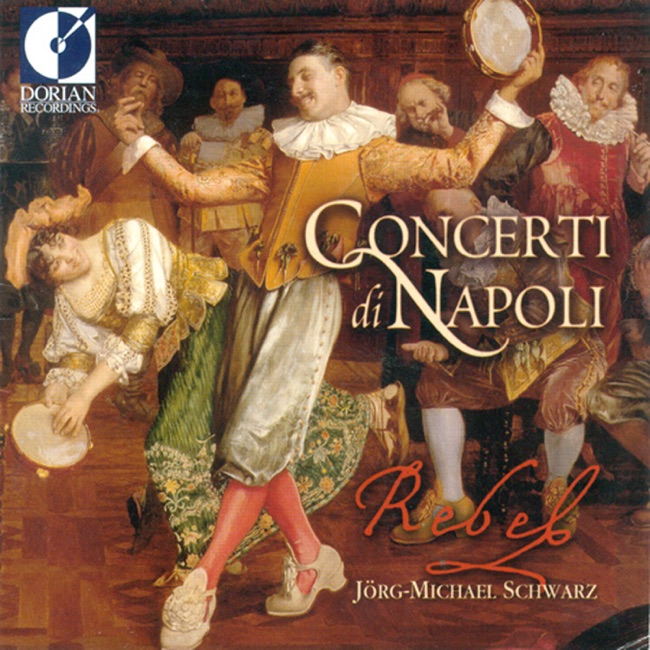
Works Info
Composer:Francesco ManciniGenre:ChamberStyle:SonataAverage_duration:9:40Movement_count:4Movement ....Francesco Mancini's Sonata No. 13 in G minor is a Baroque composition for solo flute and basso continuo. It was composed in the early 18th century, during the height of the Baroque period, and was likely premiered in Italy. The sonata is comprised of three movements: an opening Grave, a lively Allegro, and a concluding Adagio. The first movement, Grave, is a slow and somber introduction to the sonata. It is characterized by its mournful melody and the use of dissonant harmonies. The flute plays the main theme, which is then echoed by the basso continuo. The movement builds in intensity, with the flute and basso continuo engaging in a call-and-response pattern before coming to a dramatic close. The second movement, Allegro, is a fast and lively dance. It is characterized by its energetic melody and the use of virtuosic flourishes in the flute part. The basso continuo provides a steady rhythmic foundation for the flute's intricate runs and trills. The movement is structured in a binary form, with two contrasting sections that are repeated. The final movement, Adagio, is a slow and contemplative piece. It is characterized by its lyrical melody and the use of expressive ornamentation in the flute part. The basso continuo provides a simple accompaniment, allowing the flute to take center stage. The movement builds to a climax before resolving in a peaceful and serene conclusion. Overall, Mancini's Sonata No. 13 in G minor is a prime example of Baroque music. It showcases the virtuosity of the solo flute and the importance of the basso continuo in providing a harmonic foundation. The sonata's three movements each have their own distinct character, but they are united by a common sense of drama and emotion.More....
Works Music
Released Music