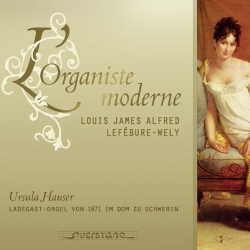
Louis James Alfred Lefébure-Wély
Meditationes Religiosas for organ, Op. 122
Released Album
Recent Album
Works Info
Composer:Louis James Alfred Lefébure-WélyGenre:KeyboardStyle:KeyboardAverage_duration:11:03Louis James Alfred Lefébure-Wély was a French organist and composer who lived from 1817 to 1869. He was known for his virtuosic organ playing and his innovative compositions, which combined elements of traditional church music with the popular music of his time. One of Lefébure-Wély's most famous works is his "Meditationes Religiosas for organ, Op. 122." This piece was composed in 1862 and premiered the same year at the Church of Saint-Roch in Paris. It consists of six movements, each of which is designed to evoke a different aspect of religious meditation. The first movement, "Prière," is a slow and solemn piece that sets the tone for the entire work. It features a simple melody that is repeated and developed throughout the movement, creating a sense of contemplation and introspection. The second movement, "Offertoire," is more lively and upbeat, with a faster tempo and more complex harmonies. It is meant to represent the offering of oneself to God, and features a virtuosic organ solo that showcases Lefébure-Wély's technical skill. The third movement, "Élévation," is a slow and majestic piece that is meant to evoke the feeling of being lifted up to heaven. It features a soaring melody that is accompanied by rich harmonies and a steady, pulsing rhythm. The fourth movement, "Communion," is a gentle and peaceful piece that is meant to represent the act of receiving communion. It features a simple melody that is repeated and developed throughout the movement, creating a sense of unity and communion with God. The fifth movement, "Sortie," is a lively and triumphant piece that is meant to represent the end of the religious service. It features a fast tempo, complex harmonies, and a virtuosic organ solo that showcases Lefébure-Wély's technical skill. The final movement, "Marche Pontificale," is a grand and majestic piece that is meant to evoke the feeling of a procession. It features a powerful melody that is accompanied by rich harmonies and a steady, marching rhythm. Overall, "Meditationes Religiosas for organ, Op. 122" is a powerful and evocative work that showcases Lefébure-Wély's skill as a composer and organist. Its six movements are designed to take the listener on a journey of religious meditation, from contemplation and introspection to communion and triumph.More....
Works Music
Released Music
2
3:45
4
3:29
5
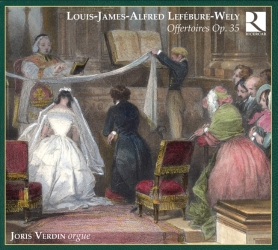
9:45

7
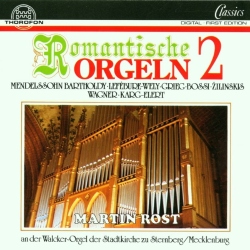
3:31