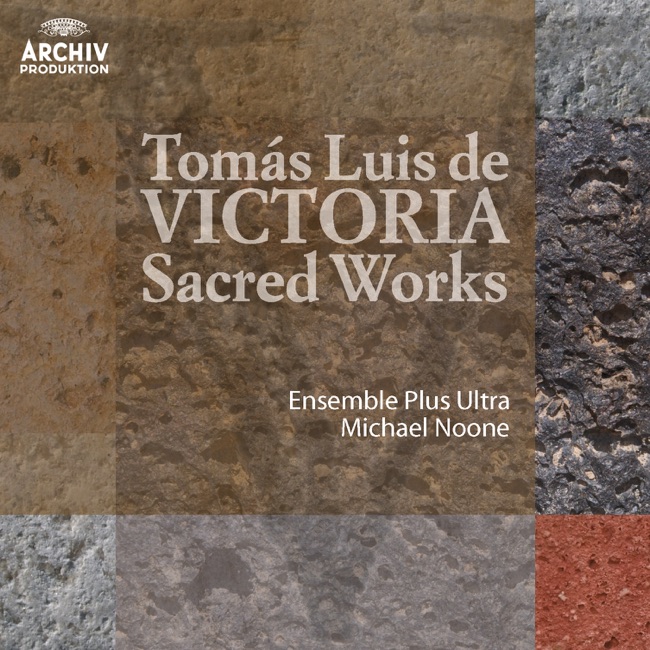
Tomás Luis de Victoria
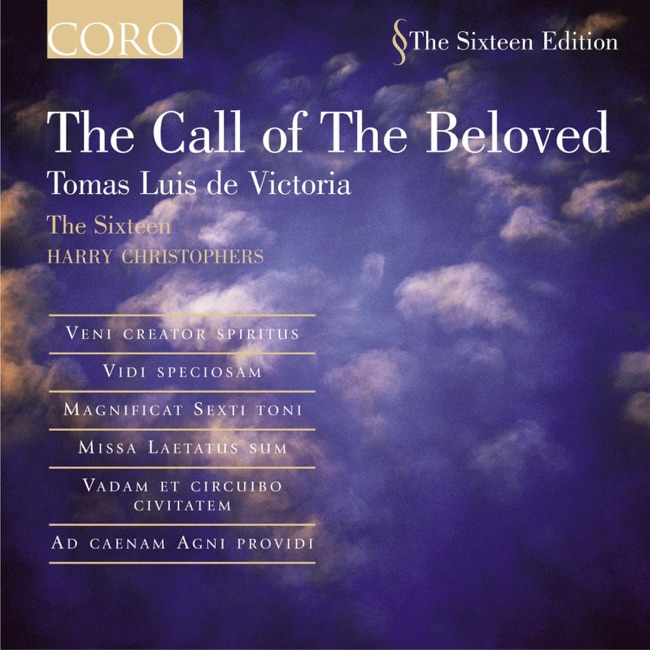
Missa Laetatus sum
Released Album
Recent Album
Works Info
Composer:Tomás Luis de VictoriaGenre:ChoralStyle:MassPublication Date:1600Average_duration:20:46Movement_count:6Movement ....Tomás Luis de Victoria was a Spanish composer of the Renaissance period, known for his sacred music. One of his most famous works is the 'Missa Laetatus sum', which was composed in the late 16th century. The 'Missa Laetatus sum' is a six-part mass, which means that it is written for six voices: two sopranos, alto, tenor, baritone, and bass. It is based on the Gregorian chant of the same name, which is used as the basis for the Kyrie, Gloria, Sanctus, and Agnus Dei movements. The mass was composed in 1583, during Victoria's time as the maestro di cappella at the Collegium Germanicum in Rome. It was likely premiered at the Collegium, where Victoria would have had access to a talented group of singers. The 'Missa Laetatus sum' is characterized by its rich harmonies, intricate counterpoint, and expressive use of dissonance. Victoria was known for his use of chromaticism, which is evident in the mass's opening Kyrie, where the voices move in a series of descending chromatic lines. The Gloria is one of the most striking movements of the mass, with its soaring soprano lines and intricate polyphony. The Sanctus is notable for its use of a descending motif, which is passed between the voices, creating a sense of unity and coherence. The Agnus Dei is a particularly poignant movement, with its mournful melody and expressive harmonies. Victoria's use of dissonance in this movement creates a sense of tension and longing, which is resolved in the final moments of the mass. Overall, the 'Missa Laetatus sum' is a masterpiece of Renaissance polyphony, showcasing Victoria's skill as a composer and his deep devotion to the Catholic faith. Its rich harmonies and expressive melodies continue to captivate audiences today, making it one of the most beloved works of the Renaissance period.More....
Works Music
Released Music