Dmitry Shostakovich
The Return of Maxim, Op. 45
Released Album
Recent Album

Featured Album
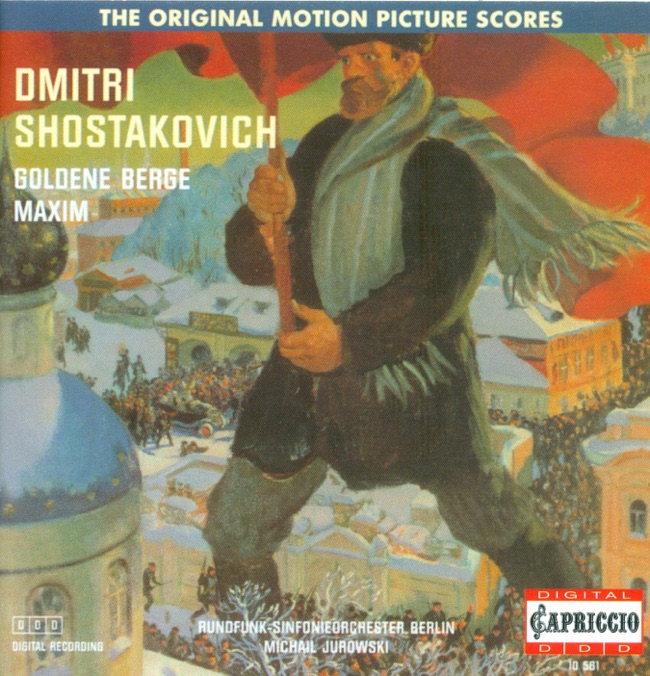
Works Info
Composer:Dmitry ShostakovichGenre:FilmStyle:Film ScoreCompose Date:1936 - 1937"The Return of Maxim, Op. 45" is a soundtrack composed by Dmitry Shostakovich in 1952. It was written for the Soviet film "The Return of Vasil Bortnikov" directed by Sergei Gerasimov. The film tells the story of a Soviet soldier, Maxim, who returns home after World War II to find his village destroyed and his family missing. The soundtrack is divided into six movements, each corresponding to a different scene in the film. The first movement, "The Return of Maxim," is a triumphant and heroic theme that accompanies Maxim's arrival in his village. The second movement, "The Ruins of the Village," is a somber and mournful piece that reflects the devastation that Maxim finds. The third movement, "The Search for Family," is a tense and suspenseful piece that underscores Maxim's search for his missing family. The fourth movement, "The Meeting with the Partisans," is a lively and energetic piece that accompanies Maxim's encounter with a group of partisans who are fighting against the Nazis. The fifth movement, "The Battle," is a dramatic and intense piece that accompanies a battle scene between the partisans and the Nazis. The final movement, "The Return of Peace," is a hopeful and optimistic piece that accompanies the film's resolution, as Maxim is reunited with his family and the village is rebuilt. Shostakovich's music for "The Return of Maxim" is characterized by its use of traditional Russian folk melodies and its incorporation of elements of Soviet propaganda. The heroic and triumphant themes that accompany Maxim's arrival and his encounter with the partisans are typical of Soviet propaganda music, which sought to glorify the achievements of the Soviet state and its people. Overall, "The Return of Maxim, Op. 45" is a powerful and evocative soundtrack that effectively captures the mood and themes of the film. Shostakovich's use of traditional Russian folk melodies and his incorporation of elements of Soviet propaganda make the soundtrack a fascinating example of Soviet-era music.More....
Works Music
Released Music
Featured Music