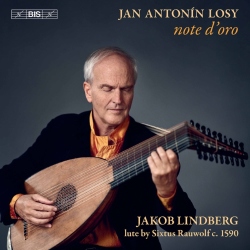
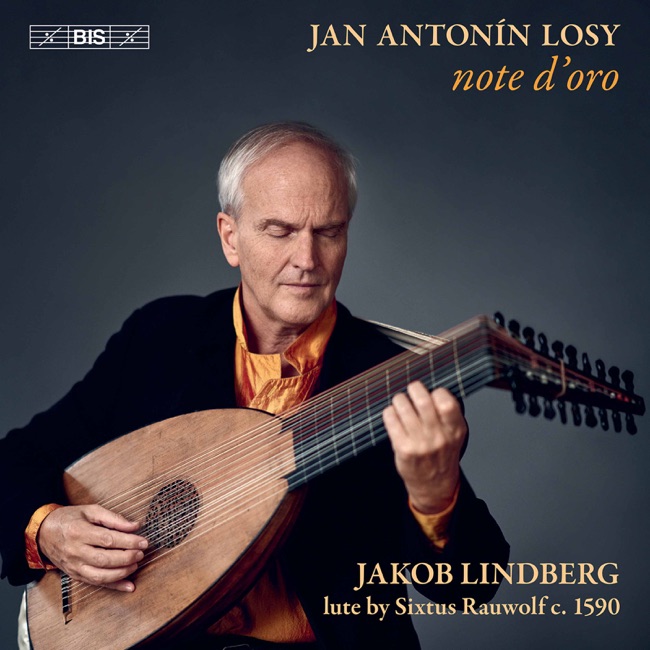
Jan Antonín Losy
Suite for lute in G major
Released Album
Recent Album

Works Info
Composer:Jan Antonín LosyGenre:ChamberStyle:Chamber MusicAverage_duration:8:55Movement_count:4Movement ....Jan Antonín Losy, also known as Johann Anton Logy, was a Czech composer and lutenist who lived from 1650 to 1721. He was a prominent figure in the Baroque era and is known for his contributions to the development of the lute as a solo instrument. One of his most famous works is the Suite for lute in G major, which was composed in the late 17th century. The Suite for lute in G major is a collection of seven movements that showcase the versatility and expressive capabilities of the lute. The suite is written in the traditional Baroque dance forms, including allemande, courante, sarabande, and gigue. The movements are as follows: 1. Prelude - This movement serves as an introduction to the suite and sets the tone for the rest of the work. It is a free-form piece that allows the performer to showcase their technical abilities. 2. Allemande - This is a moderate tempo dance in quadruple meter that originated in Germany. It is characterized by its flowing, graceful melody and intricate ornamentation. 3. Courante - This is a fast-paced dance in triple meter that originated in France. It is characterized by its lively, energetic rhythm and playful melody. 4. Sarabande - This is a slow, stately dance in triple meter that originated in Spain. It is characterized by its solemn, melancholic melody and expressive phrasing. 5. Gavotte - This is a moderate tempo dance in duple meter that originated in France. It is characterized by its lively, upbeat rhythm and playful melody. 6. Menuet - This is a moderate tempo dance in triple meter that originated in France. It is characterized by its elegant, refined melody and graceful phrasing. 7. Gigue - This is a fast-paced dance in compound meter that originated in England. It is characterized by its lively, syncopated rhythm and virtuosic melody. The Suite for lute in G major is a prime example of Baroque music, with its emphasis on ornamentation, counterpoint, and expressive phrasing. It is a challenging work that requires a high level of technical skill and musical sensitivity from the performer. Despite its technical demands, the suite is also highly accessible and enjoyable for audiences of all levels of musical knowledge. The Suite for lute in G major premiered in the late 17th century and has since become a staple of the lute repertoire.More....
Works Music
Released Music