George Gershwin
Merry Andrew
Released Album
Recent Album
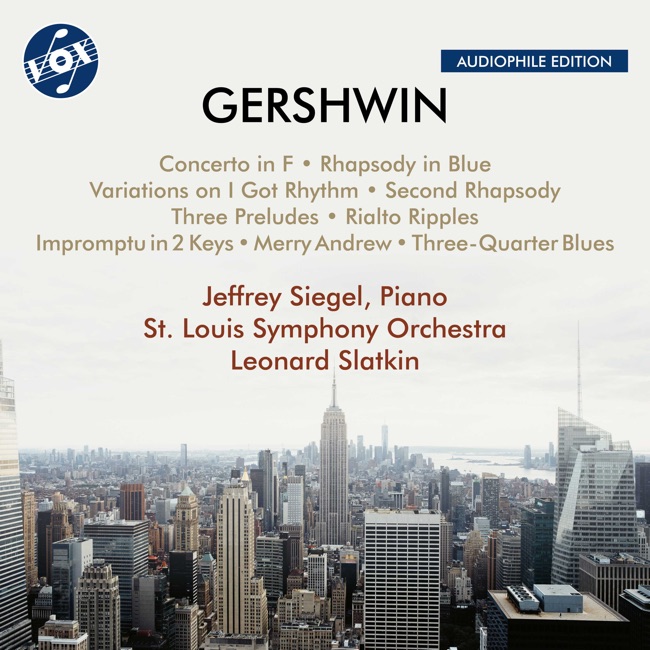
Featured Album
Works Info
Composer:George GershwinGenre:KeyboardStyle:DanceCompose Date:ca. 1928Average_duration:1:28"Merry Andrew" is a musical composition by George Gershwin, which was composed in 1928. The piece was originally written as a ballet score for the Ziegfeld Follies, but it was later adapted into a concert piece for piano and orchestra. The premiere of "Merry Andrew" took place on December 3, 1928, at Carnegie Hall in New York City, with Gershwin himself as the soloist. The piece is divided into three movements, each with its own distinct character and mood. The first movement, marked "Allegro ben ritmato e deciso," is a lively and rhythmic dance that features syncopated rhythms and jazzy harmonies. The second movement, marked "Andante con moto e poco rubato," is a slower and more lyrical section that showcases Gershwin's gift for melody. The final movement, marked "Allegro ben ritmato e deciso," returns to the energetic and syncopated rhythms of the first movement, bringing the piece to a thrilling conclusion. One of the most notable characteristics of "Merry Andrew" is its use of jazz and popular music idioms within a classical framework. Gershwin was a master at blending these different styles, and "Merry Andrew" is a prime example of his unique approach to composition. The piece also features virtuosic piano writing, with fast runs and intricate rhythms that require a high level of technical skill from the performer. Overall, "Merry Andrew" is a lively and entertaining work that showcases Gershwin's versatility as a composer. Its blend of classical and popular music elements, along with its virtuosic piano writing, make it a beloved piece in the repertoire of both classical and jazz musicians.More....
Works Music
Released Music

Featured Music