Béla Bartók
Bulgarian Rhythm II, Sz. 107/4/115
Released Album
Recent Album
Works Info
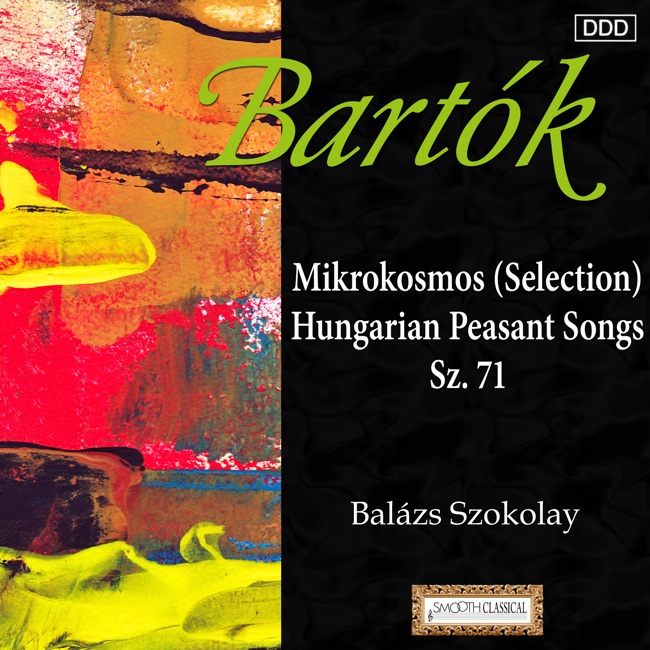
Composer:Béla BartókGenre:KeyboardStyle:DanceCompose Date:1926 - 1939Average_duration:0:54Bulgarian Rhythm II, also known as Sz. 107/4/115, is a piano piece composed by Béla Bartók. It was composed in 1917 and premiered in 1920 in Budapest. The piece is part of a larger collection of six dances called Mikrokosmos, which Bartók composed between 1926 and 1939. Bulgarian Rhythm II is a fast-paced and complex piece that showcases Bartók's interest in folk music. The piece is in 2/4 time and is characterized by its use of irregular rhythms and asymmetrical meters. The melody is based on Bulgarian folk music, which Bartók was particularly interested in at the time. The piece is divided into three movements, each with its own distinct character. The first movement is marked "Allegro," and features a driving rhythm and a lively melody. The second movement is marked "Andante," and is more subdued and introspective. The final movement is marked "Allegro molto," and is the most technically demanding of the three. It features rapid-fire arpeggios and complex rhythms. One of the most notable characteristics of Bulgarian Rhythm II is its use of irregular rhythms. Bartók was known for his interest in folk music, and he often incorporated irregular rhythms and asymmetrical meters into his compositions. In Bulgarian Rhythm II, he uses a combination of 2/4 and 3/4 time signatures to create a complex and unpredictable rhythm. Overall, Bulgarian Rhythm II is a challenging and exciting piece that showcases Bartók's unique approach to composition. Its use of irregular rhythms and Bulgarian folk melodies make it a standout piece in the piano repertoire.More....
Works Music
Released Music