


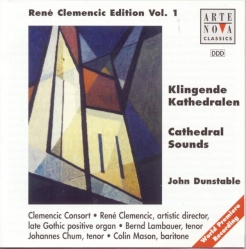
John Dunstable
Beata Dei genitrix, MB 42
Released Album
Recent Album
Works Info
Composer:John DunstableGenre:ChoralStyle:ChoralCompose Date:ca. 1410 - 1453Average_duration:5:00'Beata Dei genitrix, MB 42' is a sacred motet composed by John Dunstable, a prominent English composer of the early 15th century. The piece is believed to have been composed around the year 1420, during Dunstable's tenure as a musician in the court of John of Lancaster, Duke of Bedford. The motet is written for four voices, with the text taken from a hymn to the Virgin Mary. The piece is structured in three movements, each with its own distinct character and musical style. The first movement is a solemn and reverent setting of the hymn's opening verse, "Beata Dei genitrix, Maria virgo perpetua" ("Blessed Mother of God, Mary ever-virgin"). The voices enter one by one, with the tenor voice providing a steady foundation for the other parts to weave their melodies around. The harmonies are simple and pure, reflecting the devotional nature of the text. The second movement is a lively and joyful setting of the hymn's second verse, "Cuius almae viscera celi sunt regia" ("Whose blessed womb is the palace of heaven"). The voices dance and interweave, creating a sense of exuberance and celebration. The harmonies are more complex than in the first movement, with frequent use of suspensions and dissonances to create tension and release. The final movement returns to the solemnity of the first, with a setting of the hymn's final verse, "O Maria, mater Dei, memento mei" ("O Mary, Mother of God, remember me"). The voices sing in unison for much of the movement, creating a sense of unity and supplication. The harmonies are once again simple and pure, with a final cadence that brings the piece to a peaceful close. Overall, 'Beata Dei genitrix, MB 42' is a beautiful example of Dunstable's skill as a composer of sacred music. The piece showcases his ability to create complex and expressive harmonies while maintaining a sense of reverence and devotion. Its premiere is unknown, but it remains a beloved work in the repertoire of early music.More....
Works Music
Released Music
1
4:27
3
5:12