


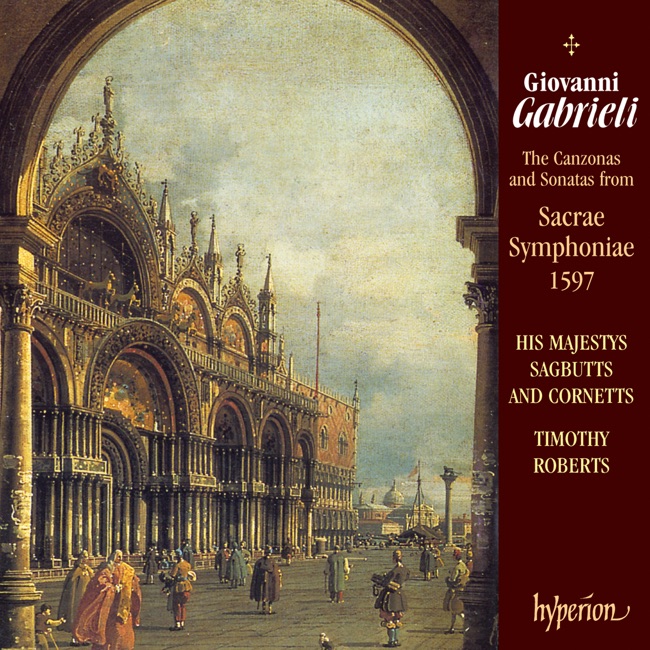
Giovanni Gabrieli
Sacrae Symphoniae: No. 11: Canzon in echo duodecimi toni for 10 parts
Released Album
Recent Album
Works Info
Composer:Giovanni GabrieliGenre:ChamberStyle:CanzonaPublication Date:1597Average_duration:6:58Giovanni Gabrieli's 'Sacrae Symphoniae: No. 11: Canzon in echo duodecimi toni for 10 parts' is a masterpiece of the Baroque era. It was composed in the late 16th century and premiered in St. Mark's Basilica in Venice, Italy. The piece is divided into three movements, each with its own unique characteristics. The first movement is marked by its use of antiphonal choirs. The ten parts are divided into two choirs, with one choir placed on the left side of the church and the other on the right. The choirs alternate in a call-and-response fashion, creating a sense of spatial depth and complexity. The music is characterized by its use of echo effects, with one choir echoing the other in a rhythmic pattern. The second movement is a slower, more contemplative piece. It features a solo trumpet, which plays a simple melody over a bed of rich harmonies. The trumpet's melody is then echoed by the other instruments, creating a sense of unity and harmony. The final movement is a lively dance, marked by its use of syncopated rhythms and intricate counterpoint. The ten parts are woven together in a complex web of interlocking melodies, creating a sense of joyful celebration. Overall, Gabrieli's 'Sacrae Symphoniae: No. 11: Canzon in echo duodecimi toni for 10 parts' is a masterful example of Baroque music. Its use of antiphonal choirs, echo effects, and intricate counterpoint create a sense of spatial depth and complexity, while its simple melodies and rich harmonies evoke a sense of unity and harmony. It remains a beloved piece of music to this day, and a testament to Gabrieli's skill as a composer.More....
Works Music
Released Music
1
Sacrae Symphoniae: No. 11: Canzon in echo duodecimi toni for 10 parts
Canzon in echo duodecimi toni
7:19
2
4:38
3
4:3
4
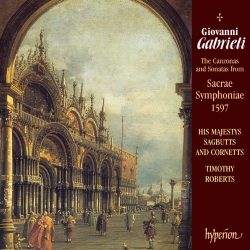
3:57