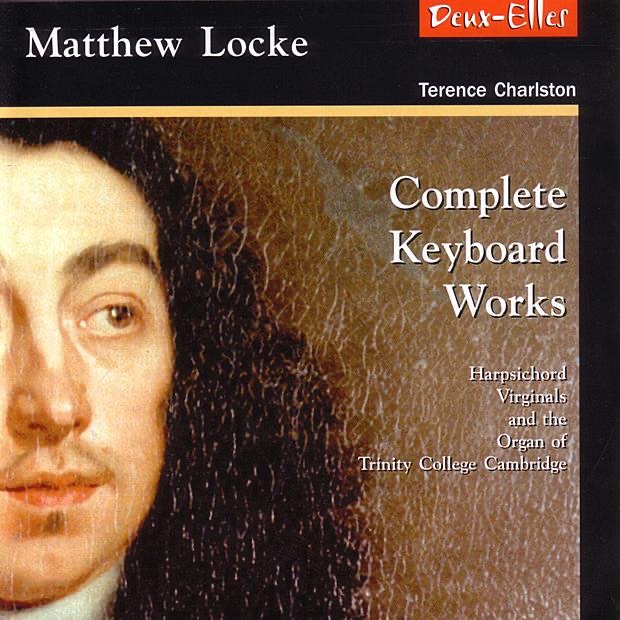
Matthew Locke
Voluntary, for organ No. 5 in G major
Released Album
Recent Album
Works Info
Composer:Matthew LockeGenre:KeyboardStyle:KeyboardCompose Date:1673Publication Date:1673Average_duration:1:05Matthew Locke's 'Voluntary, for organ No. 5 in G major' is a piece of music that was composed during the Baroque period. The exact date of composition is unknown, but it is believed to have been written in the late 17th century. The piece was first performed in England, where Locke was a prominent composer and musician. The 'Voluntary, for organ No. 5 in G major' is a piece of music that is divided into three movements. The first movement is marked by a lively and energetic tempo, with a strong emphasis on the use of the organ's upper registers. The second movement is slower and more contemplative, with a focus on the lower registers of the organ. The final movement returns to the lively and energetic tempo of the first movement, with a strong emphasis on the use of the organ's full range of registers. One of the key characteristics of the 'Voluntary, for organ No. 5 in G major' is its use of counterpoint. Counterpoint is a technique in which two or more melodies are played simultaneously, creating a complex and intricate musical texture. Locke's use of counterpoint in this piece is particularly notable, as he weaves together multiple melodies in a way that is both harmonically rich and rhythmically complex. Another characteristic of the 'Voluntary, for organ No. 5 in G major' is its use of ornamentation. Ornamentation is a technique in which musical phrases are embellished with additional notes or flourishes, adding a sense of decoration and complexity to the music. Locke's use of ornamentation in this piece is particularly effective, as it adds a sense of virtuosity and flair to the already complex musical texture. Overall, the 'Voluntary, for organ No. 5 in G major' is a masterful example of Baroque organ music. Its use of counterpoint and ornamentation, combined with its lively and energetic tempo, make it a piece that is both technically challenging and musically rewarding.More....
Works Music
Released Music
1
1:9
2

57