


Paul Chihara
Bagatelles for piano ("Twice Seven Haiku")
Released Album
Recent Album

Featured Album
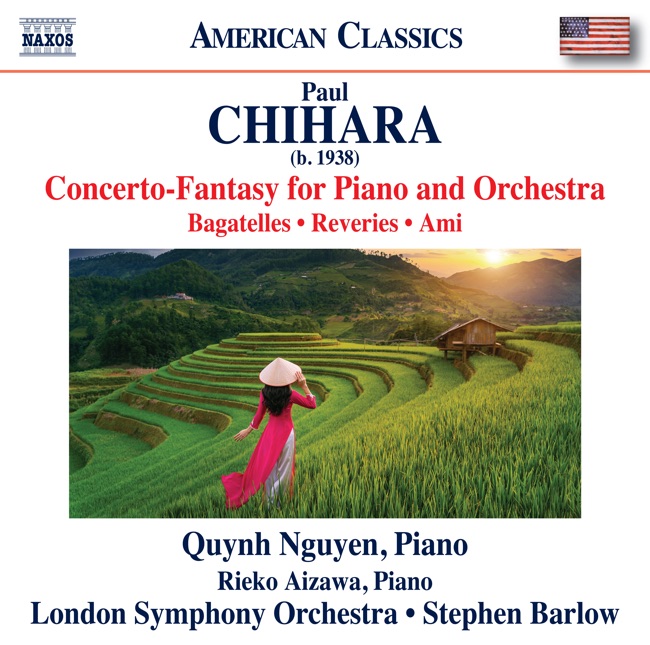
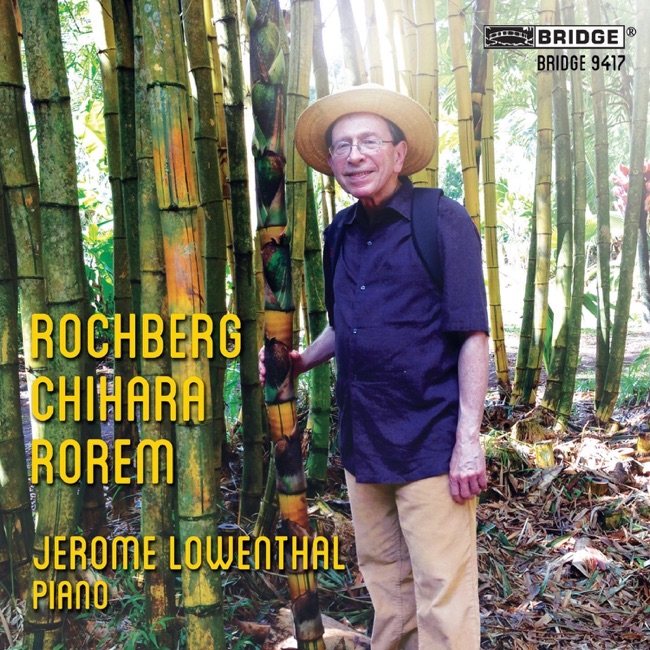
Works Info
Composer:Paul ChiharaGenre:KeyboardCompose Date:2010Average_duration:18:07Movement_count:14Movement ....Bagatelles for piano (Twice Seven Haiku) is a composition by Paul Chihara, an American composer known for his works in film, television, and classical music. The piece was composed in 1992 and premiered on October 25, 1992, at the Japan America Theatre in Los Angeles, California. The composition consists of 14 short movements, each inspired by a haiku poem. The haiku is a traditional form of Japanese poetry that consists of three lines, with a total of 17 syllables. Chihara's Bagatelles for piano takes inspiration from this form and creates a musical interpretation of each haiku. The first movement, "Autumn wind," is a gentle and flowing piece that captures the essence of the haiku's imagery. The second movement, "The moon," is a slow and contemplative piece that evokes the stillness of the night. The third movement, "The sea darkens," is a dramatic and intense piece that captures the power of the ocean. The fourth movement, "The temple bell stops," is a quiet and reflective piece that captures the stillness after the sound of the bell. The fifth movement, "The cicada's cry," is a lively and energetic piece that captures the sound of the cicada. The sixth movement, "The light of a candle," is a delicate and intimate piece that captures the warmth of a candle's flame. The seventh movement, "The snow is melting," is a bright and cheerful piece that captures the feeling of spring. The eighth movement, "The winter moon," is a haunting and mysterious piece that captures the beauty of the moon in winter. The ninth movement, "The sound of the waterfall," is a powerful and dynamic piece that captures the energy of the waterfall. The tenth movement, "The old pond," is a peaceful and contemplative piece that captures the stillness of a pond. The eleventh movement, "The wild geese," is a lively and playful piece that captures the movement of the geese. The twelfth movement, "The first snow," is a gentle and delicate piece that captures the beauty of the first snowfall. The thirteenth movement, "The summer grasses," is a bright and lively piece that captures the energy of the summer. The final movement, "The dragonfly," is a fast and playful piece that captures the movement of the dragonfly. Overall, Bagatelles for piano (Twice Seven Haiku) is a beautiful and evocative composition that captures the essence of the haiku form. Each movement is unique and captures the imagery and feeling of the haiku it is inspired by. Chihara's use of different musical styles and techniques creates a diverse and engaging listening experience.More....
Works Music
Released Music

Featured Music
3
Trifles for piano ("Twice Seven Haiku")
Part 1. No. 3 Fleeting fireflies, Seldom seen in reflection, After the rainstorm...
44
8
Trifles for piano ("Twice Seven Haiku")
Part 2. No. 8 Hommage aux trois B's (Bach, Brahms, Bolcom)
1:31