


Paul Chihara
Released Album
Chamber
-
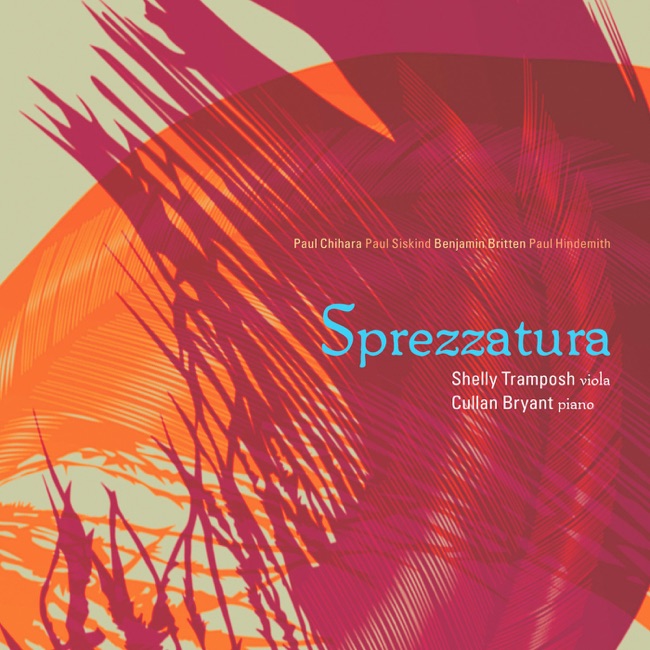 October 25, 2011
 -
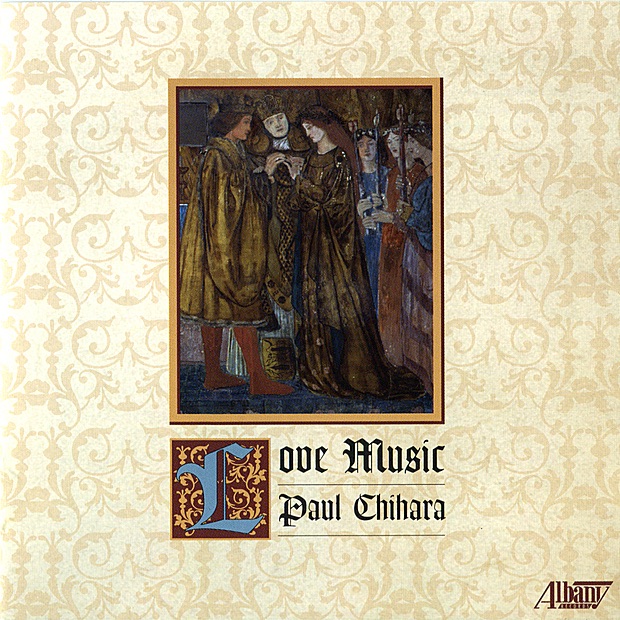 September 13, 2011
 -
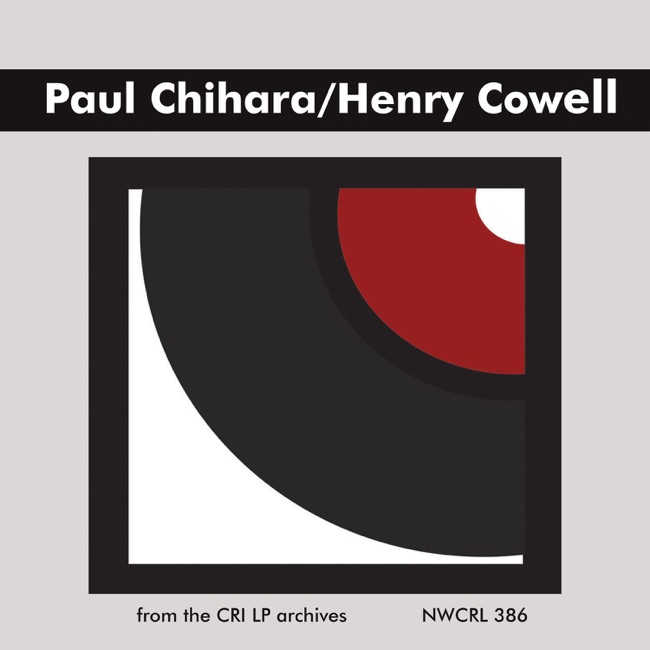 February 15, 2010
 -
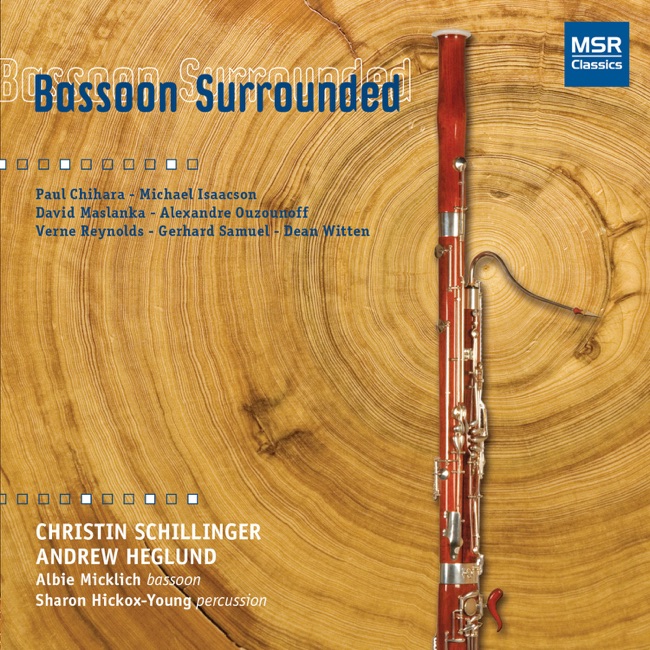 October 15, 2009
 -
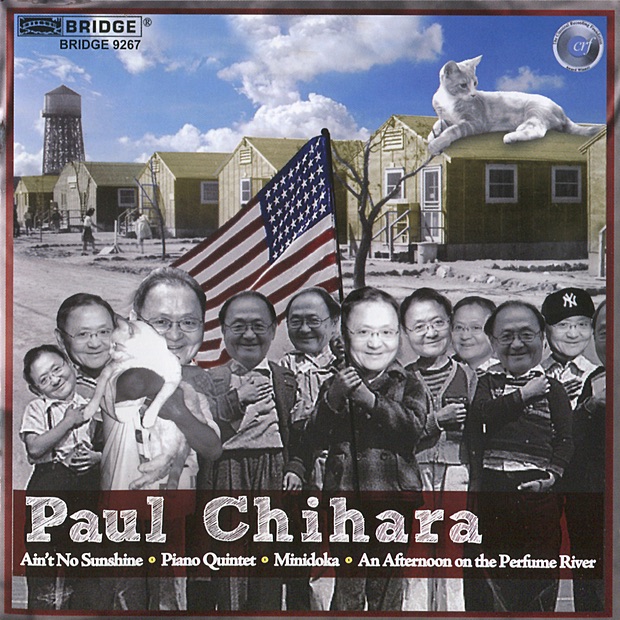
-
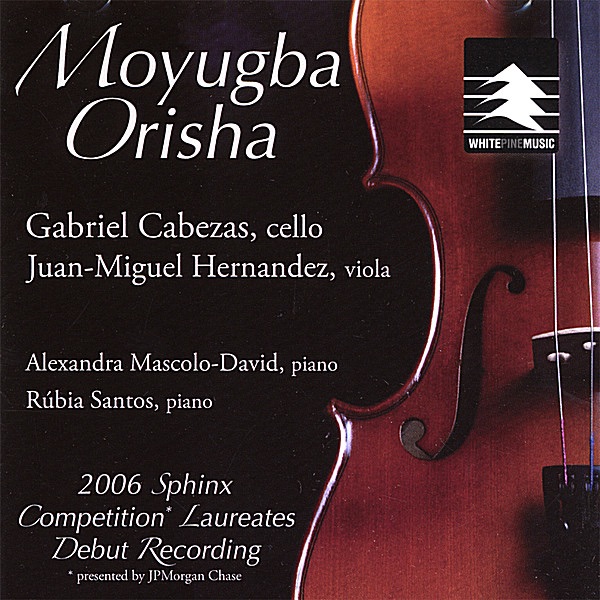 January 1, 2007
Concerto
-
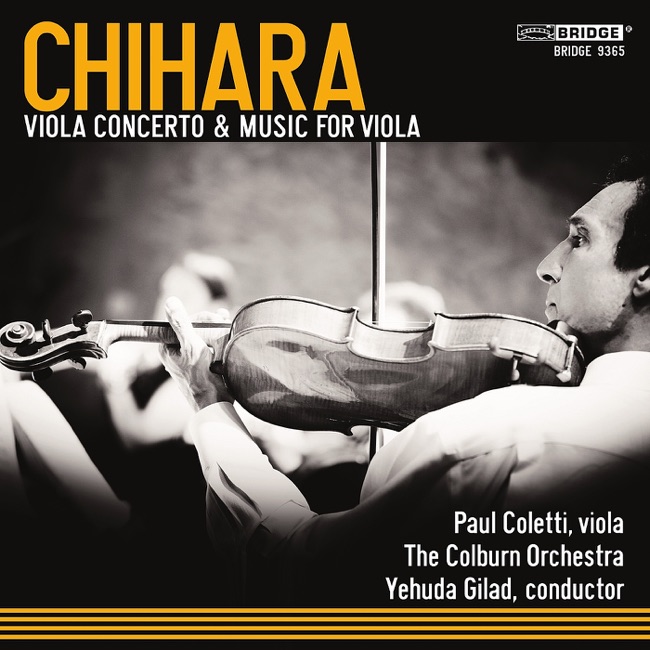 January 8, 2013
 -
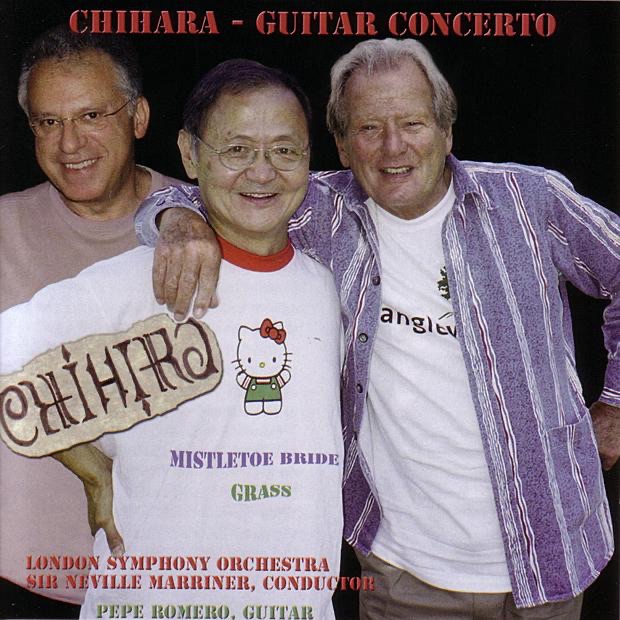 January 25, 2005
Ballet
-
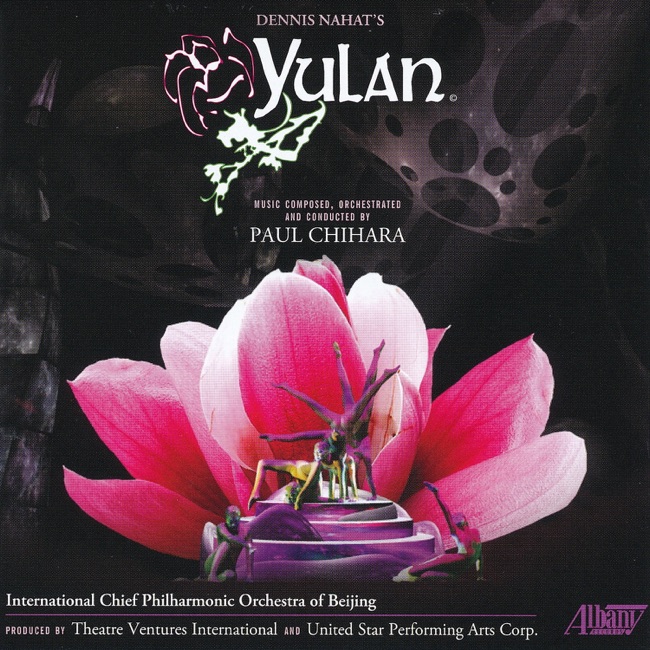 November 12, 2013
 -
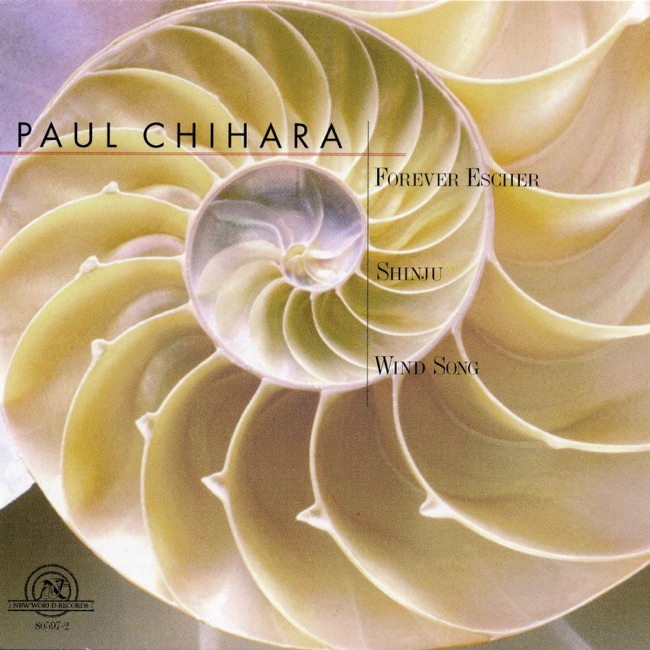 June 25, 2002
 -
 December 17, 1993
 -
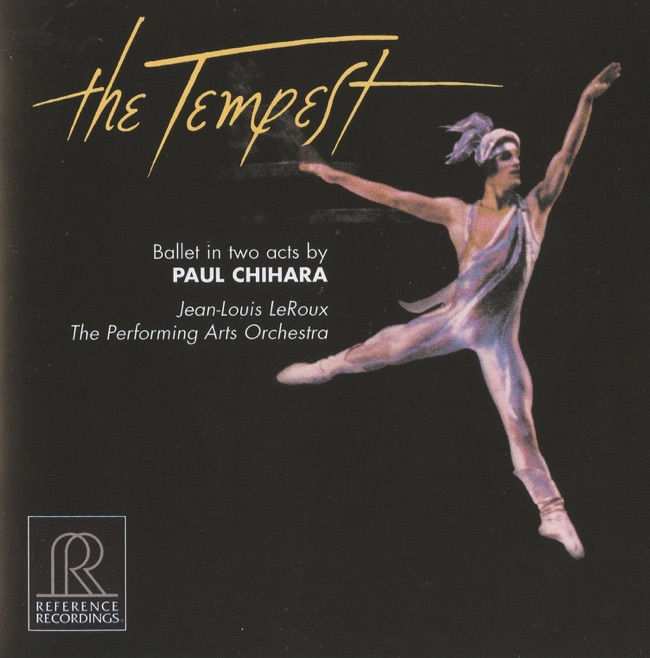 December 17, 1993
Keyboard
-
 September 7, 2018
 -
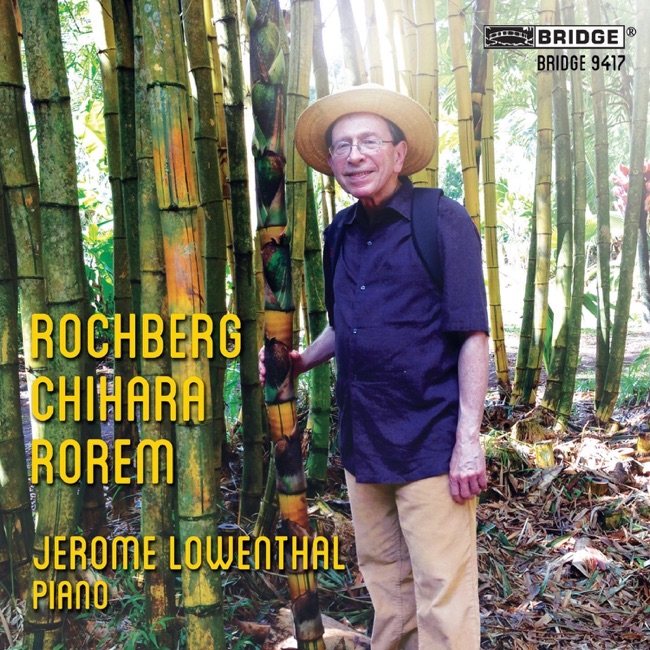 April 8, 2014
 -
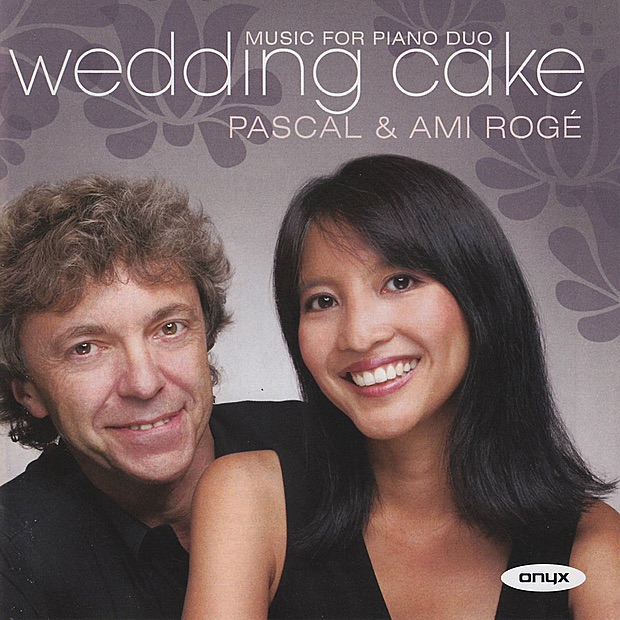 March 9, 2010
Artist Info
Role:Composer ConductorCountry: United States of AmericaBirth:July 9, 1938 in Seattle, WAPeriod:ContemporaryGenre:BalletChamberPaul Chihara is a renowned American composer of classical music, known for his unique style that blends traditional Western classical music with elements of Japanese and American cultures. Born on July 16, 1938, in Seattle, Washington, Chihara grew up in a family of musicians. His father was a violinist, and his mother was a pianist, and they both encouraged him to pursue music from a young age. Chihara began his musical training on the piano at the age of five, and later learned to play the violin and viola. He attended the University of Washington, where he studied composition with William Bergsma and earned his Bachelor of Music degree in 1960. He then went on to study at the Tanglewood Music Center in Massachusetts, where he worked with renowned composers such as Aaron Copland and Leonard Bernstein. In 1962, Chihara moved to New York City to pursue a career in music. He quickly became involved in the city's vibrant contemporary music scene, working with composers such as John Cage, Earle Brown, and Morton Feldman. He also began to incorporate elements of Japanese music into his compositions, inspired by his heritage and his travels to Japan. Chihara's early works were experimental and avant-garde, often featuring unconventional instrumentation and extended techniques. One of his most notable early works is "Mutations," a piece for chamber ensemble that incorporates electronic sounds and was premiered at the 1966 Tanglewood Festival. Another important early work is "Concerto Piccolo," a piece for solo violin and chamber orchestra that was commissioned by the New York Philharmonic and premiered in 1968. In the 1970s, Chihara's style began to evolve, as he began to incorporate more traditional elements of Western classical music into his compositions. He also began to write more music for film and television, including the score for the 1979 film "Prince of the City," directed by Sidney Lumet. One of Chihara's most famous works from this period is "Shogun Ballet," a ballet score that was commissioned by the Joffrey Ballet and premiered in 1976. The score incorporates elements of Japanese music and culture, as well as Western classical music, and was praised for its innovative and unique sound. In the 1980s and 1990s, Chihara continued to write music for film and television, including the score for the 1985 film "The Morning After," directed by Sidney Lumet, and the theme music for the television series "China Beach." He also continued to write classical music, including several operas and orchestral works. One of Chihara's most notable works from this period is his opera "The Tempest," which was commissioned by the Santa Fe Opera and premiered in 1995. The opera is based on the play by William Shakespeare and features a libretto by John Driver. It was praised for its inventive use of electronic sounds and its blending of Western and Japanese musical traditions. In the 2000s, Chihara continued to write music for film and television, including the score for the 2002 film "Crossing the Line," directed by Graeme Clifford. He also continued to write classical music, including several works for chamber ensemble and orchestra. One of Chihara's most recent works is "Concerto for Piano and Orchestra," which was commissioned by the Pacific Symphony and premiered in 2014. The concerto features a solo piano part that is virtuosic and challenging, and was praised for its inventive use of harmony and rhythm.More....
Recent Artist Music

Copyright Ⓒ 2013 Davinci Finger. All rights reseved
Service Terms & Policy