


Robert Johnson
Have You Seen but a White Lily Grow?
Released Album
Recent Album
-
-
-
-
 Various ArtistsMarch 3, 2017
 -
-
-
-
-
-
-

-
Featured Album
Works Info
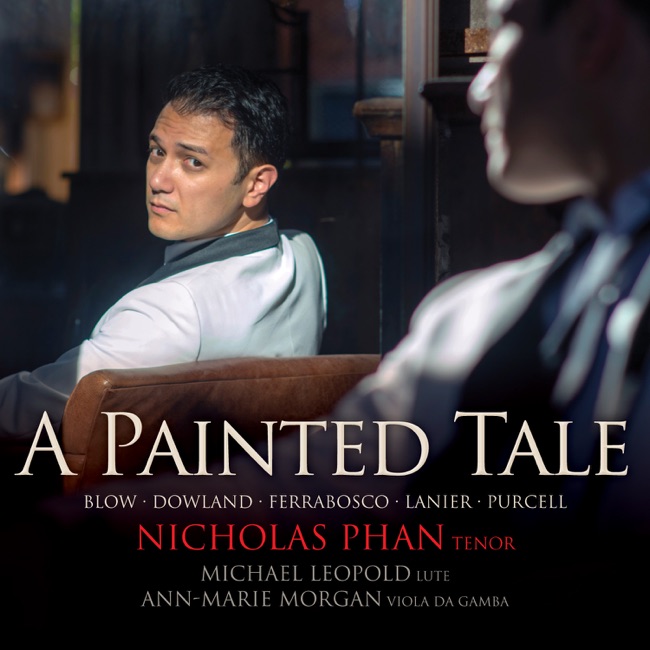
Composer:Robert JohnsonGenre:VocalStyle:SongCompose Date:1616Average_duration:2:51"Have You Seen but a White Lily Grow?" is a beautiful and haunting song composed by Robert Johnson, an English composer and lutenist who lived from 1583 to 1633. The song was likely composed in the early 17th century, although the exact date is unknown. It was first published in 1616 in a collection of songs called "The First Book of Ayres." The song is a simple and elegant piece, consisting of a single voice accompanied by a lute. It is written in the key of G major and has a slow, mournful tempo. The lyrics tell the story of a young woman who asks a passerby if he has seen a white lily grow, a symbol of purity and innocence. The passerby responds that he has not, but he has seen a fairer flower, the woman herself. The song is divided into two main sections, each with its own melody. The first section is in a minor key and has a melancholy feel, reflecting the woman's sadness and longing. The second section is in a major key and has a more hopeful and uplifting feel, reflecting the passerby's response and the woman's realization of her own beauty. One of the most striking characteristics of the song is its simplicity. The melody is straightforward and easy to sing, and the accompaniment is minimal, consisting of only a few chords played on the lute. This simplicity allows the beauty of the melody and lyrics to shine through, creating a powerful emotional impact. Another characteristic of the song is its use of symbolism. The white lily is a symbol of purity and innocence, while the woman herself is a symbol of beauty and grace. The passerby's response that he has seen a fairer flower suggests that true beauty comes from within, rather than from external appearances. Overall, "Have You Seen but a White Lily Grow?" is a timeless and hauntingly beautiful song that continues to captivate audiences today. Its simple melody and powerful symbolism make it a classic example of English Renaissance music.More....
Works Music
Released Music

4
2:9
10

1:26
Featured Music
Main Perform Artists
Vocals
Soprano (Vocal)
Archlute, Lute