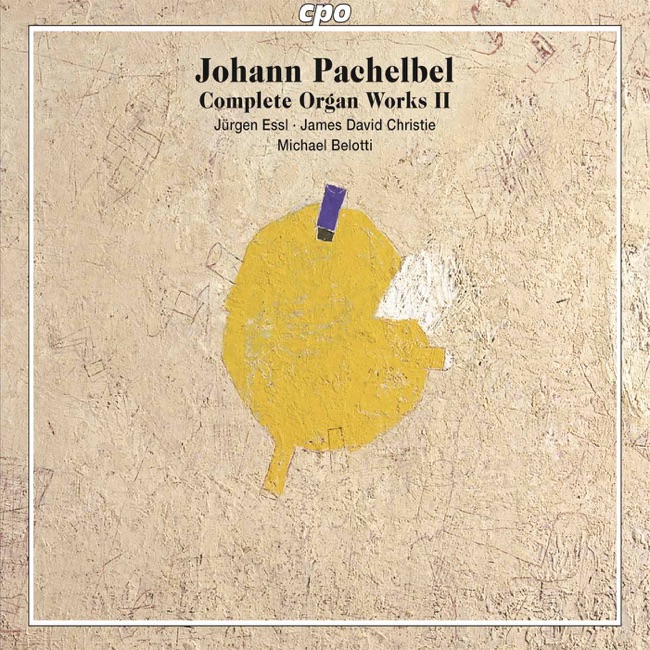
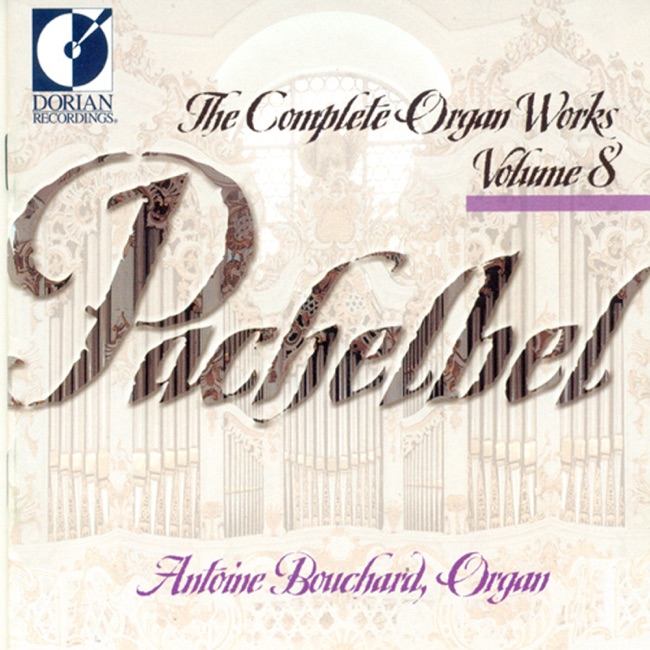
Johann Pachelbel
Fugue, for organ in G major (III), T. 281
Released Album
Recent Album
Works Info
Composer:Johann PachelbelGenre:KeyboardStyle:FugueCompose Date:before Apr 1706Average_duration:2:22Johann Pachelbel's Fugue for Organ in G major (III), T. 281, is a masterpiece of Baroque music. It was composed in the late 17th century and is one of Pachelbel's most famous works. The piece is a three-part fugue, with a lively and energetic character that showcases Pachelbel's skill as a composer. The Fugue in G major was likely composed around 1690, during Pachelbel's time as the organist at the Predigerkirche in Erfurt, Germany. It is believed to have been written for use in church services, as was common for organ music of the time. The piece is structured in three movements, with each movement building on the previous one. The first movement introduces the main theme, which is then developed and expanded upon in the second movement. The third movement brings the piece to a close with a triumphant restatement of the theme. The Fugue in G major is characterized by its use of counterpoint, a technique in which multiple melodies are played simultaneously. Pachelbel's skillful use of counterpoint creates a complex and intricate texture that is both beautiful and challenging to perform. The piece is also notable for its use of pedal tones, which are sustained notes played on the organ's pedals. These pedal tones provide a foundation for the rest of the music and add depth and richness to the overall sound. Overall, Pachelbel's Fugue for Organ in G major (III), T. 281, is a stunning example of Baroque music. Its intricate counterpoint, use of pedal tones, and lively character make it a favorite among organists and music lovers alike.More....
Works Music
Released Music