Johann Ernst Eberlin
Toccata & fugue for organ No. 3 in A minor
Released Album
Recent Album
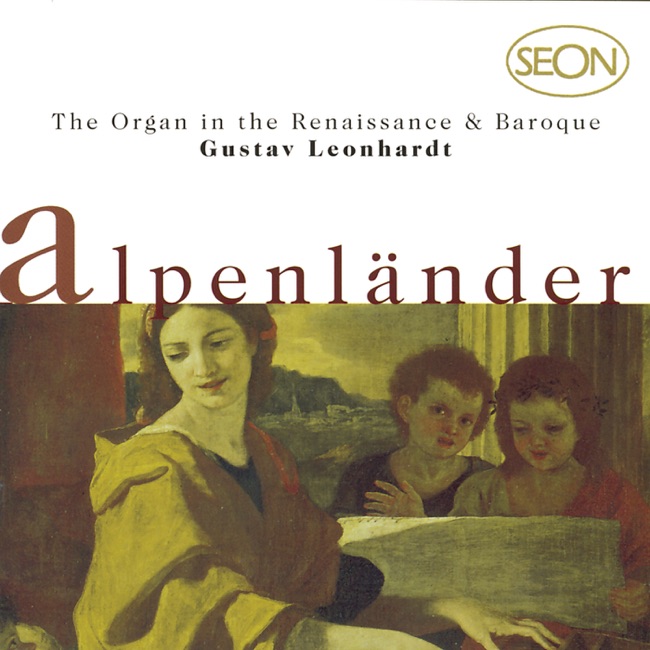
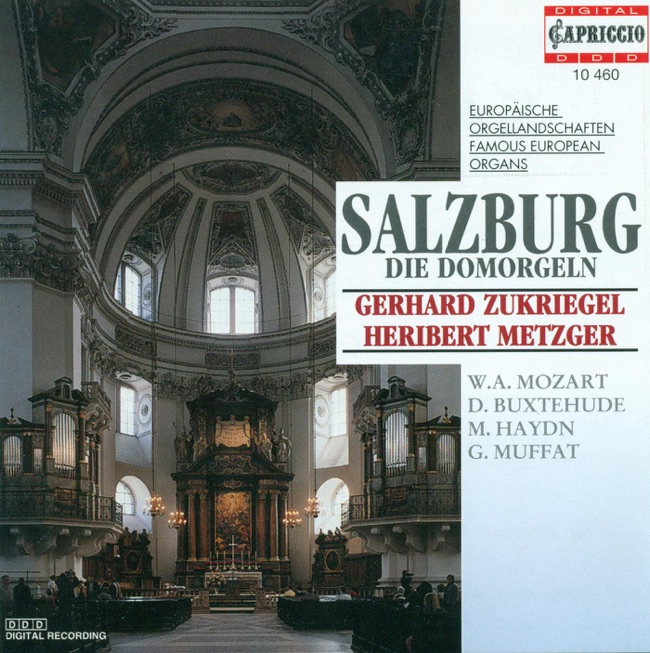
Works Info
Composer:Johann Ernst EberlinGenre:KeyboardStyle:FugueAverage_duration:8:16Johann Ernst Eberlin's Toccata & Fugue for Organ No. 3 in A minor is a baroque masterpiece that showcases the composer's virtuosity and creativity. The piece was composed in the early 18th century and premiered in Eberlin's hometown of Salzburg, Austria. It is a two-movement work that features a toccata followed by a fugue. The toccata is a fast-paced and highly ornamented piece that showcases the performer's technical abilities. It begins with a series of arpeggios and scales that are played in rapid succession, creating a sense of urgency and excitement. The toccata then moves into a series of virtuosic runs and trills that are played with great speed and precision. The piece ends with a flourish of chords that bring the toccata to a dramatic close. The fugue is a more structured and complex piece that features a series of interweaving melodies. It begins with a single voice that introduces the main theme, which is then repeated and developed by other voices. The fugue builds in intensity as the voices become more complex and the harmonies more dissonant. The piece reaches a climax with a series of powerful chords before resolving into a final cadence. One of the characteristics of Eberlin's Toccata & Fugue for Organ No. 3 in A minor is its use of counterpoint. The piece features multiple voices that are played simultaneously, creating a rich and complex texture. Eberlin also uses a variety of ornamentation techniques, such as trills and mordents, to add interest and complexity to the music. Overall, Eberlin's Toccata & Fugue for Organ No. 3 in A minor is a stunning example of baroque organ music. Its technical demands and complex harmonies make it a challenging piece for performers, while its virtuosic flourishes and intricate counterpoint make it a joy to listen to.More....
Works Music