Franz Joseph Haydn
Baryton Trio in G major, H. 11/116
Released Album
Recent Album

Works Info
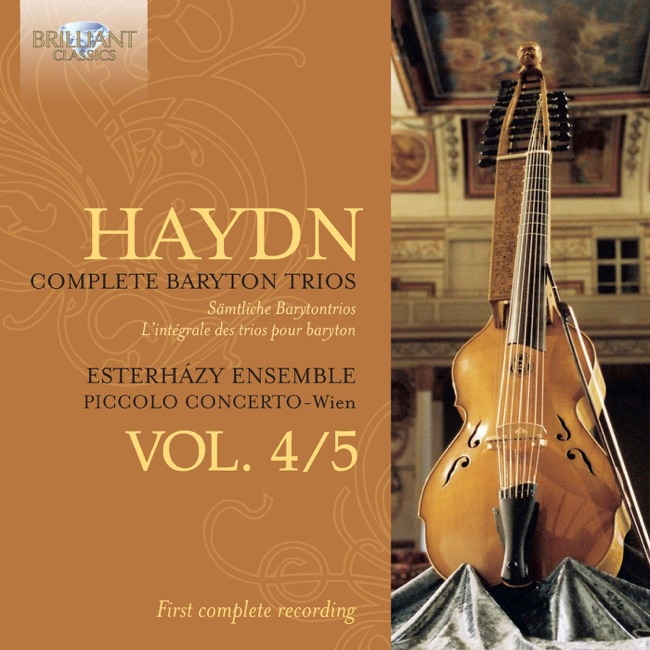
Composer:Franz Joseph HaydnGenre:ChamberAverage_duration:9:04Movement_count:3Movement ....Franz Joseph Haydn's Baryton Trio in G major, H. 11/116, was composed in the late 1760s for Prince Nikolaus Esterházy, who was an avid player of the baryton, a stringed instrument similar to the viola da gamba. The trio is scored for baryton, viola, and cello, and is one of several works Haydn composed for this unusual combination of instruments. The Baryton Trio in G major is comprised of three movements: a lively Allegro moderato, a graceful Andante, and a spirited Allegro. The first movement opens with a lively theme played by the baryton, which is then taken up by the viola and cello. The music is characterized by its playful, dance-like rhythms and bright, sunny melodies. The second movement is more lyrical and introspective, with a beautiful melody played by the baryton accompanied by gentle pizzicato chords from the viola and cello. The final movement is a lively and energetic dance, with a catchy theme that is passed between the three instruments. One of the most distinctive features of the Baryton Trio in G major is the prominent role played by the baryton. Haydn was a master of the instrument, and he takes full advantage of its unique capabilities in this work. The baryton part is often virtuosic, with rapid runs and intricate figurations that showcase the instrument's agility and expressiveness. At the same time, Haydn also uses the baryton to create rich, sonorous harmonies that provide a lush backdrop for the viola and cello. Overall, the Baryton Trio in G major is a delightful and charming work that showcases Haydn's skill as a composer and his deep understanding of the baryton. Its sunny melodies, playful rhythms, and virtuosic solos make it a joy to listen to, and it remains a beloved work in the chamber music repertoire to this day.More....
Works Music
Released Music