Francis Pilkington
Down, A Down
Released Album
Recent Album
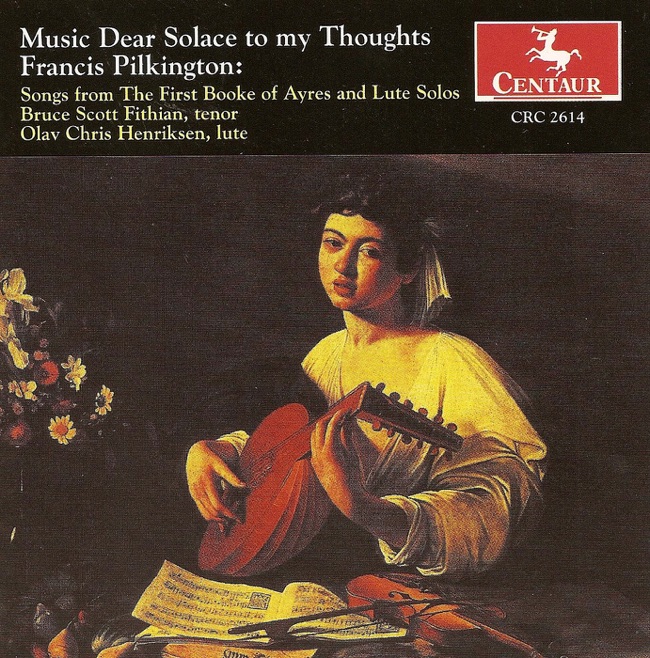
Works Info
Composer:Francis PilkingtonGenre:MiscellaneousStyle:MiscellaneousAverage_duration:2:55"Down, A Down" is a popular English lute song composed by Francis Pilkington in the late 16th century. The exact date of its composition is unknown, but it is believed to have been written around 1600. The song was first published in Pilkington's collection of lute songs, "The First Booke of Songs or Ayres of 4 Parts," which was printed in London in 1605. The song is written in a simple, homophonic style, with the melody and accompaniment moving together in parallel motion. It is in the key of G major and has a moderate tempo. The song is in three verses, each with a refrain of "Down, a down, hey down, a down." The lyrics describe a lover's lament over the loss of his beloved, and the refrain serves as a melancholy reminder of his sorrow. The first verse begins with the lines "In darkness let me dwell, the ground shall sorrow be, the roof despair to bar all cheerful light from me." The imagery of darkness and despair sets the tone for the rest of the song, which is filled with images of sadness and loss. The second verse continues with the lines "The walls of marble black, that moistened still shall weep, my music, hellish jarring sounds, to banish friendly sleep." Here, the speaker describes his surroundings as bleak and mournful, and his music as discordant and unsettling. The final verse brings the song to a close with the lines "Thus, wedded to my woes, and bedded to my tomb, o let me, living, living, die, till death do come." The speaker resigns himself to his fate, accepting his sorrow and longing for death to release him from his pain. Overall, "Down, A Down" is a haunting and melancholy song that captures the mood of the Elizabethan era. Its simple melody and lyrics have made it a popular choice for modern performers, and it remains a beloved example of English lute song.More....
Works Music