Johann Sebastian Bach
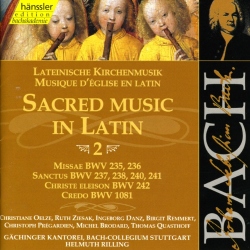
Sanctus in D major, BWV 238
Released Album
Recent Album
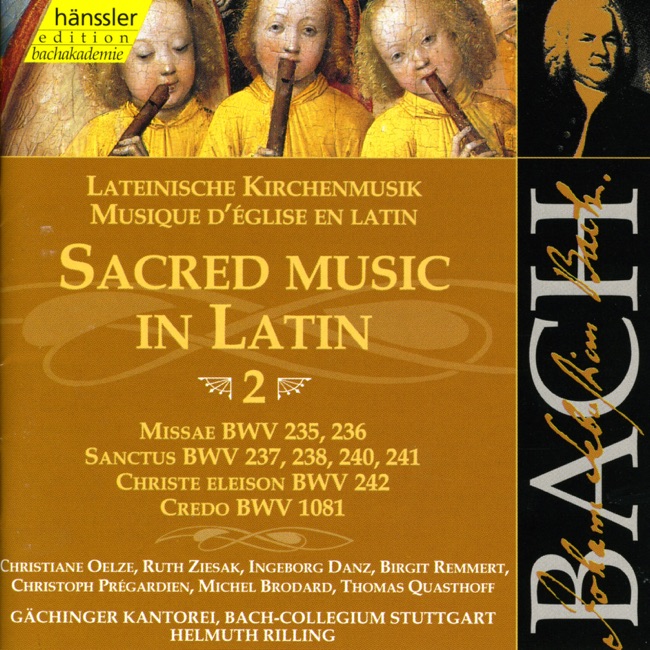
Featured Album
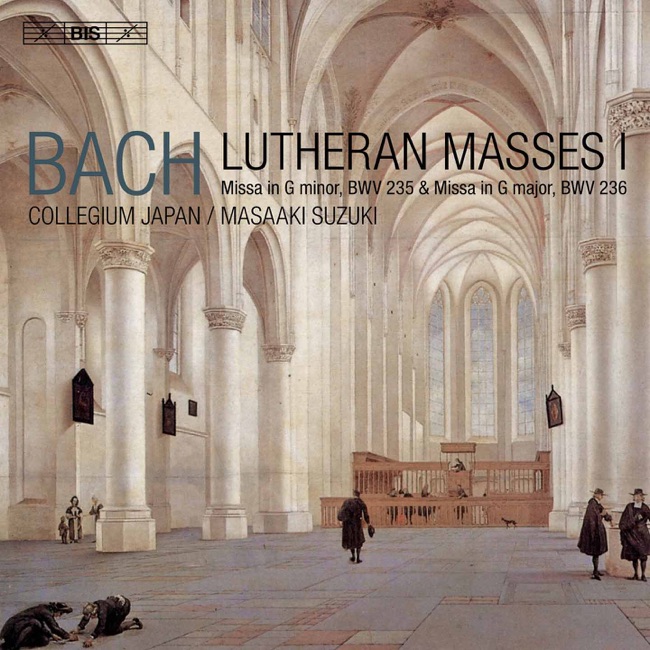
Works Info
Composer:Johann Sebastian BachGenre:ChoralStyle:SanctusCompose Date:Dec 25, 1723Publication Date:1862First Performance:Dec 25, 1723Average_duration:3:08Johann Sebastian Bach's 'Sanctus in D major, BWV 238' is a sacred choral work that was composed during his tenure as the Kapellmeister at the Thomaskirche in Leipzig. The piece is believed to have been composed in the early 1730s, although the exact date of composition is unknown. The 'Sanctus in D major' is a part of the larger 'Missa Brevis in G major, BWV 236', which is a short mass setting that Bach composed for the Catholic court in Dresden. The 'Sanctus in D major' is a four-part choral work that is scored for soprano, alto, tenor, and bass voices. The piece is divided into two movements, with the first movement being a setting of the Sanctus text and the second movement being a setting of the Osanna text. The first movement is characterized by its joyful and celebratory tone, with the choir singing in unison to create a sense of unity and harmony. The second movement is more complex, with the choir singing in a polyphonic style that creates a sense of complexity and depth. One of the most notable characteristics of the 'Sanctus in D major' is its use of counterpoint. Bach was a master of counterpoint, and this piece showcases his skill in this area. The use of counterpoint creates a sense of complexity and depth in the music, with each voice part weaving in and out of the others to create a rich and textured sound. Another notable characteristic of the 'Sanctus in D major' is its use of harmony. Bach was known for his innovative use of harmony, and this piece is no exception. The harmonies in the 'Sanctus in D major' are rich and complex, with unexpected chord progressions and dissonances that create a sense of tension and release. The 'Sanctus in D major' premiered in Dresden in the early 1730s, although the exact date of the premiere is unknown. The piece has since become a staple of the choral repertoire, and it is frequently performed in churches and concert halls around the world. Its joyful and celebratory tone, combined with its complex harmonies and counterpoint, make it a beloved piece of music that continues to inspire and delight audiences today.More....
Works Music