


Franz Joseph Haydn
Divertimento for baryton, 2 violins, viola, cello, bass & 2 horns in G major, H. 10/4
Released Album
Recent Album
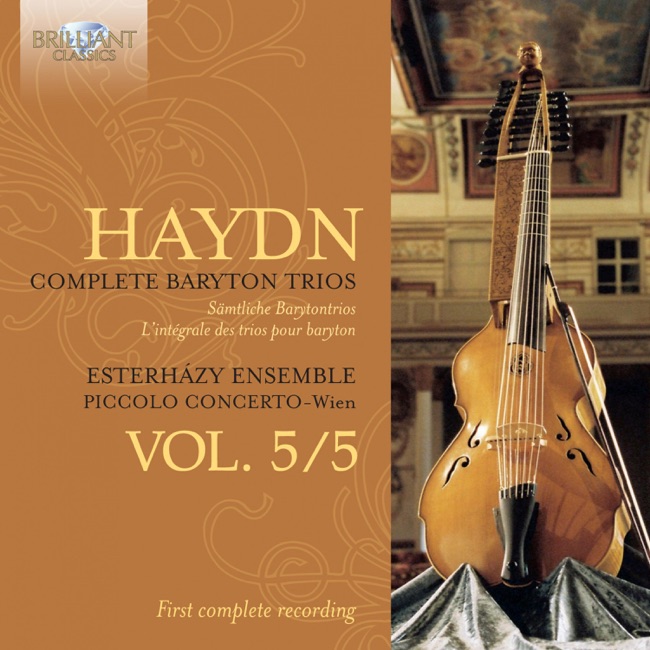
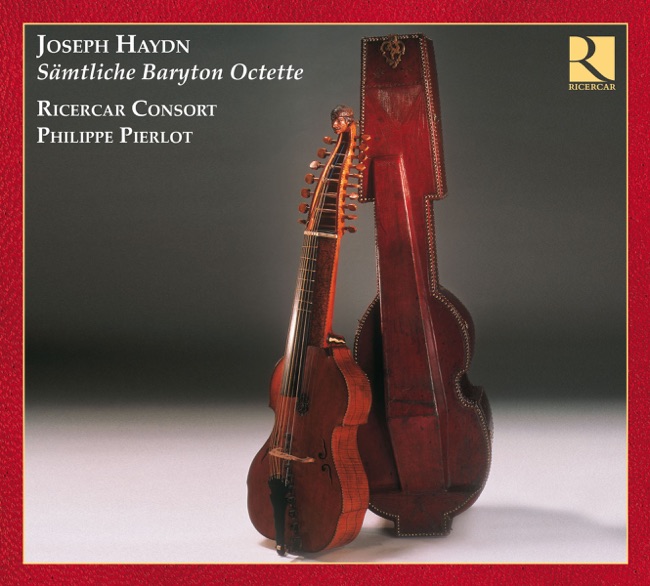
Works Info
Composer:Franz Joseph HaydnGenre:OrchestralStyle:DivertimentoAverage_duration:18:20Movement_count:3Movement ....Franz Joseph Haydn's 'Divertimento for baryton, 2 violins, viola, cello, bass & 2 horns in G major, H. 10/4' was composed in 1763. It premiered in the same year in the court of Prince Nikolaus Esterházy, where Haydn was employed as the court composer. The piece consists of six movements, each with its own unique characteristics. The first movement, marked Allegro, is in sonata form and features a lively and cheerful melody. The second movement, marked Menuetto, is a dance-like movement in triple meter. The third movement, marked Adagio, is a slow and expressive movement that showcases the baryton, a stringed instrument that was popular in the 18th century. The baryton is featured prominently throughout the piece, and this movement is a particularly beautiful example of its unique sound. The fourth movement, marked Menuetto, is similar to the second movement, but with a more playful character. The fifth movement, marked Presto, is a fast and energetic movement that features virtuosic passages for the violins and horns. The final movement, marked Allegro, is a lively and joyful conclusion to the piece. Overall, the 'Divertimento for baryton, 2 violins, viola, cello, bass & 2 horns in G major, H. 10/4' is a charming and delightful work that showcases Haydn's skill as a composer. The use of the baryton adds a unique and interesting element to the piece, and the various movements offer a range of moods and styles. It remains a popular work in the chamber music repertoire to this day.More....
Works Music
Released Music
1
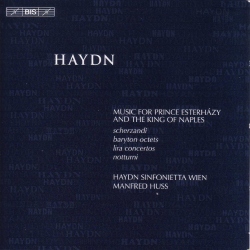
7:0
2
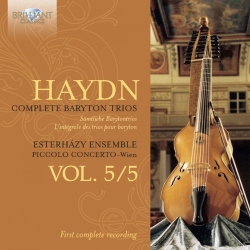
7:4
3
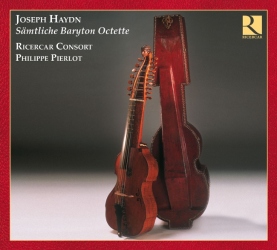
Divertimento for baritone, 2 violins, viola, cello, bass & 2 horns in G major, H. 10/4
Moderato (Thema con variazioni)
6:10
4
9:48