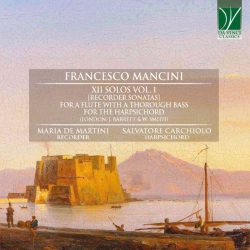
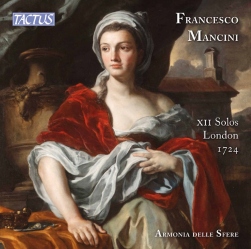
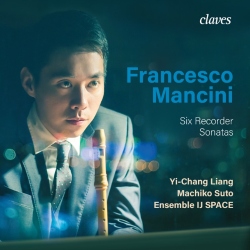
Francesco Mancini
Sonata No. 2 in E minor
Released Album
Recent Album
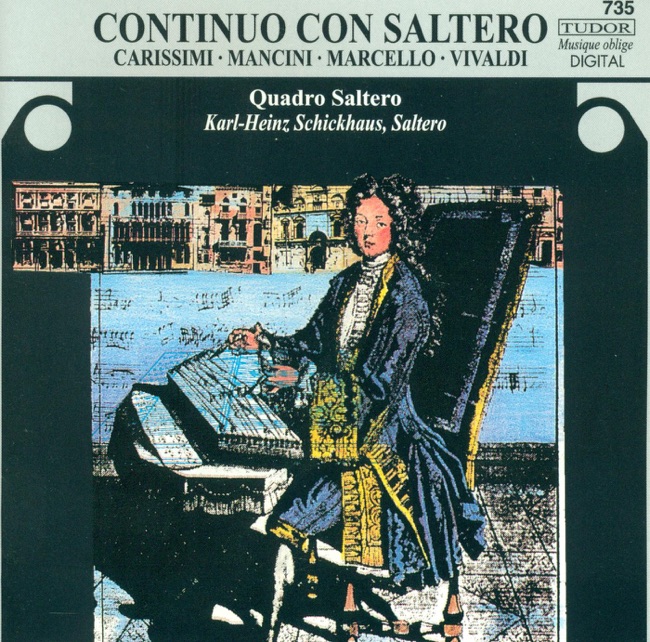
Works Info
Composer:Francesco ManciniGenre:ChamberStyle:Chamber MusicAverage_duration:8:05Movement_count:4Movement ....Francesco Mancini was an Italian composer and oboist who lived from 1672 to 1737. He was a prominent figure in the Baroque era and was known for his contributions to the development of the oboe as a solo instrument. One of his most famous works is the Sonata No. 2 in E minor, which was composed for oboe and basso continuo. The Sonata No. 2 in E minor was composed in the early 18th century, although the exact date of composition is unknown. It was likely composed during Mancini's time as a musician in the court of Naples, where he served as the principal oboist. The sonata was first performed in Naples, although the exact premiere date is also unknown. The sonata consists of three movements: an opening Adagio, a lively Allegro, and a final Giga. The Adagio is a slow and mournful movement that showcases the oboe's expressive capabilities. The Allegro is a fast and energetic movement that features virtuosic passages for the oboe. The Giga is a lively dance movement that brings the sonata to a joyful conclusion. One of the characteristics of the Sonata No. 2 in E minor is its use of the oboe as a solo instrument. Mancini was one of the first composers to write solo works for the oboe, and this sonata is a prime example of his skill in writing for the instrument. The sonata also features a basso continuo accompaniment, which was a common practice in Baroque music. Overall, the Sonata No. 2 in E minor is a beautiful and expressive work that showcases Mancini's skill as a composer and oboist. Its three movements offer a range of emotions and styles, making it a popular choice for oboists and Baroque music enthusiasts alike.More....
Works Music
Released Music