


Charles Avison
Concerto grosso No. 11 in G major (after Scarlatti)
Released Album
Recent Album
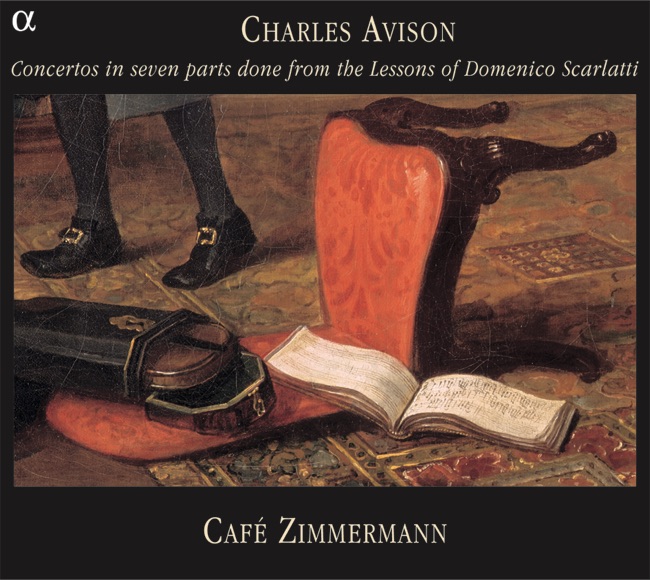
Featured Album
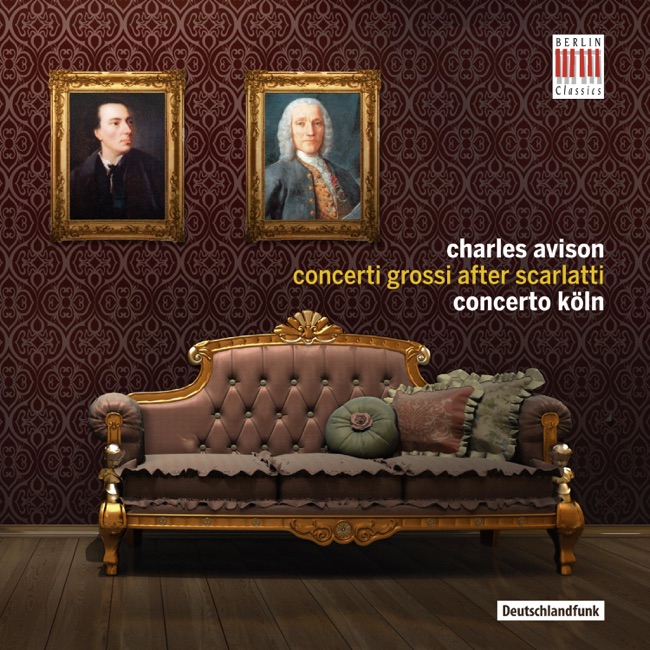
Works Info
Composer:Charles AvisonGenre:ConcertoStyle:ConcertoAverage_duration:13:12Movement_count:4Movement ....Charles Avison was an English composer who lived from 1709 to 1770. He was known for his contributions to the concerto grosso genre, which was popular in the Baroque era. One of his most famous works is the Concerto grosso No. 11 in G major (after Scarlatti), which was composed in the mid-18th century. The concerto grosso No. 11 in G major is based on the music of Italian composer Domenico Scarlatti. Scarlatti was known for his keyboard sonatas, which were highly virtuosic and innovative for their time. Avison took some of Scarlatti's sonatas and arranged them for a concerto grosso ensemble, which typically consisted of a small group of soloists (the concertino) and a larger group of accompanying players (the ripieno). The concerto grosso No. 11 in G major is divided into four movements, which follow the typical fast-slow-fast-fast structure of the Baroque concerto. The first movement is a lively Allegro, which features a catchy main theme that is passed between the concertino and ripieno. The second movement is a graceful Andante, which showcases the lyrical abilities of the soloists. The third movement is a sprightly Allegro, which features a playful dialogue between the concertino and ripieno. The final movement is a lively Allegro, which brings the concerto to a thrilling conclusion. One of the characteristics of Avison's concerto grosso No. 11 in G major is its use of counterpoint. Counterpoint is a technique in which two or more melodic lines are played simultaneously, creating a complex and harmonically rich texture. Avison was known for his skillful use of counterpoint, and this concerto is no exception. The interplay between the concertino and ripieno is particularly noteworthy, as they often engage in intricate and playful dialogues. Another characteristic of this concerto is its use of ornamentation. Ornamentation refers to the embellishments that are added to a melody to make it more expressive and virtuosic. Avison's concerto features many ornamental passages, particularly in the solo parts. These passages require a high level of technical skill and virtuosity from the soloists, and they add to the overall excitement and energy of the piece. The concerto grosso No. 11 in G major (after Scarlatti) premiered in the mid-18th century, and it remains a popular work in the Baroque repertoire. Its lively and virtuosic character, combined with its skillful use of counterpoint and ornamentation, make it a thrilling and enjoyable piece to listen to.More....
Works Music
Released Music
Featured Music
1
4:5