John Eccles
The Love of Mars and Venus
Released Album
Recent Album
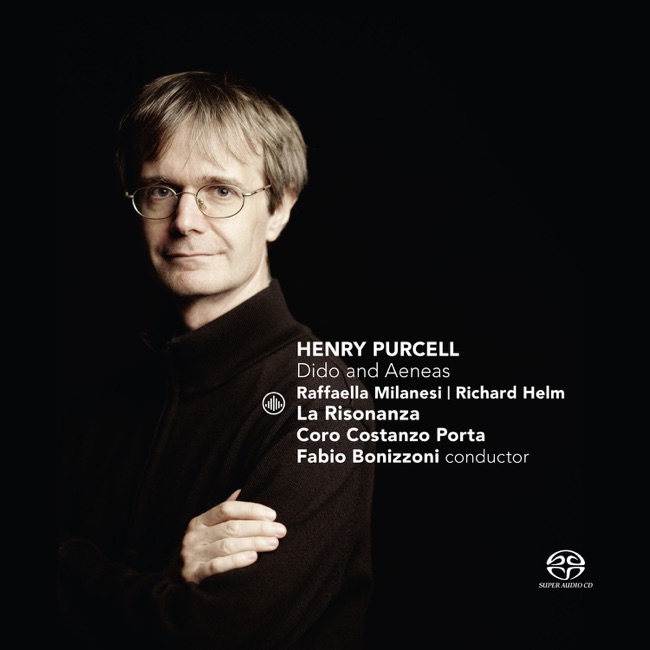
Featured Album
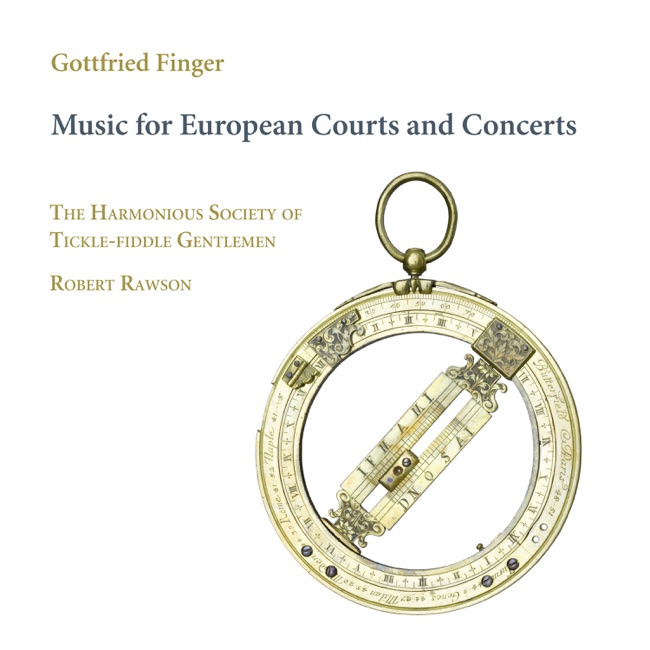
Works Info
Composer:John EcclesGenre:OperaCompose Date:1680Average_duration:17:26The Love of Mars and Venus is an opera composed by John Eccles in 1696. The plot revolves around the love affair between the Roman gods Mars and Venus, and the jealousy and revenge of Mars' wife, the goddess Juno. The opera is divided into three acts, each with its own set of arias, recitatives, and choruses. Act I begins with a chorus of nymphs and shepherds celebrating the arrival of spring. Venus appears and sings an aria about the power of love. Mars enters and declares his love for Venus, but she rejects him, saying that she is already in love with Adonis. Mars is heartbroken and sings an aria about his unrequited love. In Act II, Juno discovers Mars' infidelity and plots her revenge. She sends her messenger, Iris, to tell Venus about Mars' betrayal. Venus is devastated and sings an aria about her broken heart. Juno then appears and sings an aria about her anger and desire for revenge. Act III begins with a chorus of spirits and demons celebrating the impending battle between Mars and Adonis. Venus pleads with Mars to spare Adonis' life, but he refuses. The two gods engage in a fierce battle, and Adonis is mortally wounded. Venus sings a lament for her lost love, and Mars realizes the error of his ways. He and Venus reconcile, and the opera ends with a chorus celebrating the power of love. The Love of Mars and Venus premiered at the Queen's Theatre in London on March 5, 1697. The opera was well-received and became one of Eccles' most popular works. The music is characterized by its use of Baroque-style arias and recitatives, as well as its intricate vocal harmonies and orchestration. The opera also features a number of dance movements, including minuets and gavottes, which were popular in the Baroque era. Overall, The Love of Mars and Venus is a classic example of Baroque opera, with its elaborate plot, intricate music, and emphasis on vocal virtuosity. It remains a popular work in the Baroque repertoire and is frequently performed by opera companies around the world.More....
Works Music